KEY TAKEAWAYS
- Motivation is designed to initiate action, not sustain long-term behavior.
- Behavior relies on environment, habit structure, and friction reduction.
- Willpower suffers from decision fatigue—rely on systems and implementation intentions instead.
While observing people set ambitious goals—fitness plans, study routines, and productivity systems—a frustrating pattern emerges. Motivation is high in the beginning. Intentions are clear. Yet, discipline slowly collapses.
This isn’t a character flaw. Behavioral psychology shows that discipline fails not because motivation disappears, but because behavior depends more on environment, reinforcement, and habit structure than willpower alone.
Motivation Is Not Enough
Every new goal begins with an excitement phase. The vision is clear, the energy is high, and we believe “this time will be different.” We plan to wake up early, stick to the plan, and finally follow through.
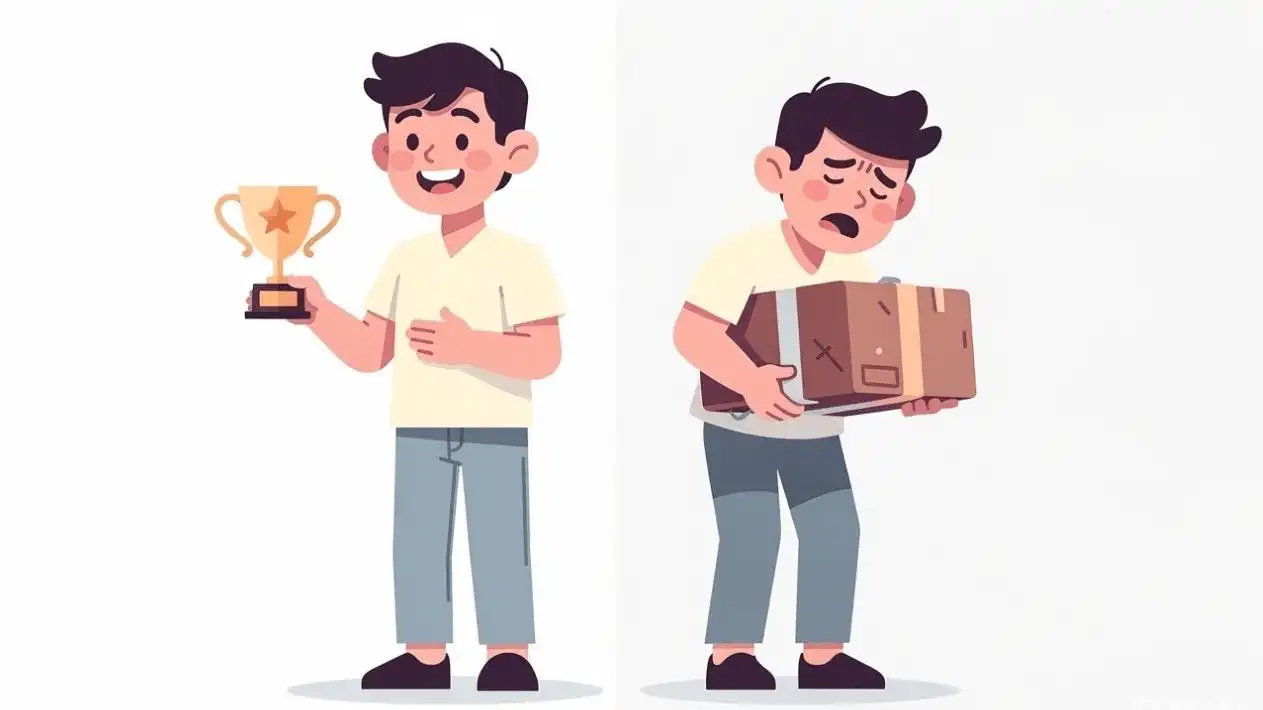
Then reality intervenes. Life gets busy, energy fluctuates, and the initial excitement fades. Without that emotional “high,” the behavior fades too. This pattern repeats endlessly because motivation was never designed to sustain behavior; it was only designed to initiate it.
The Difference Between Motivation and Behavior
Motivation is an emotional state. It comes and goes like weather. Basing a behavior system on motivation means your actions become as unpredictable as your feelings.
Behavior, by contrast, runs on structure. Habits operate automatically, requiring almost zero emotional energy. When discipline depends on how you feel each morning, it is fragile. When it is built into routines and environments, it becomes stable. The goal isn’t to stay motivated—it’s to make motivation irrelevant.
The Myth of Willpower and Decision Fatigue
Willpower feels like the answer. We think if we just “try harder,” discipline will follow. However, research suggests that willpower functions like a muscle—it is a finite resource that can suffer from Decision Fatigue.
Every choice you make, from what to wear to how to phrase an email, depletes your mental energy. By evening, your willpower reserves are often empty. This is why healthy breakfasts are easier to maintain than healthy dinners, and why impulse purchases cluster at the end of a long day. Willpower alone cannot override biological drives indefinitely.
Environment: The Invisible Hand of Discipline
Behavioral psychology makes one thing clear: environment drives behavior more than intention. We like to think we act based on internal decisions, but we are constantly responding to external cues.
- Friction and Convenience: A visible guitar gets played; a hidden one gathers dust. A phone in another room allows focus; a phone on the desk ensures distraction.
- The Path of Least Resistance: If a behavior is easy—if the cue is obvious and the action requires minimal effort—we do it.
Design your environment first, and discipline will follow.
You May Also Like
Small Positive Habits vs Big Life Changes
The Reinforcement Gap: Why We Choose “Now” Over “Later”
Behavior survives when it is reinforced. This is the core of Operant Conditioning: actions that produce immediate rewards get repeated.
The problem with discipline is the Reinforcement Gap. Desired behaviors (studying, exercising, saving) have delayed rewards. The behaviors we try to resist (scrolling, snacking, procrastinating) offer immediate rewards. In a head-to-head battle, the brain’s dopamine system almost always favors the instant reward over the distant one.
Stress and the “Regression” Response
Under stress, the brain seeks comfort and predictability. We naturally regress to easier, more familiar choices—even if they are unhealthy. This is why people abandon routines during exams or job changes. Stress narrows our focus to the present moment, making long-term goals feel abstract and unimportant.
Overcoming All-or-Nothing Thinking
One missed workout often leads to “I’ve ruined the week.” This cognitive distortion turns small slips into total collapses.
The difference between those who maintain discipline and those who don’t isn’t perfection—it’s recovery speed. A key psychological tool here is the “Never Miss Twice” rule. Missing once is an accident; missing twice is the start of a new habit. Shifting focus from perfection to “just getting back on track” is essential for long-term discipline.
Building Systems: Implementation Intentions
To stop relying on feelings, you must build systems. One of the most effective methods is using Implementation Intentions, or “If-Then” planning:
- “If it is 5:00 PM, then I will put on my running shoes.”
- “If I feel the urge to check my phone, then I will take three deep breaths first.”
By pre-deciding the action, you remove the need for willpower. You are no longer “deciding” to be disciplined; you are simply following a script.
Discipline Is Designed, Not Forced
Discipline fails not because people are weak, but because they rely on the wrong tools. Motivation sparks the journey, but it won’t sustain it. Systems, environment, and recovery strategies work continuously without requiring constant energy.
Stop asking “How do I stay motivated?” and start asking “How do I structure my life so the right behaviors become the easiest ones?” When you stop trying to force discipline and start designing for it, consistency becomes the natural byproduct.
Motivation initiates action. Systems sustain it.
Frequently Asked Questions About Discipline & Motivation
Why does motivation disappear after a few days?
Motivation is an emotional state designed by nature to initiate action, not sustain it. When the novelty of a goal wears off, emotional energy drops, leaving behavior unsupported if habit systems are not in place.
How can I stop relying on willpower?
Focus on environment design and implementation intentions (If-Then planning). By changing your environment to lower friction for good habits and pre-deciding actions, you automate choices and prevent decision fatigue.
What should I do if I break my routine?
Apply the ‘Never Miss Twice’ rule. View a missed routine as an isolated mistake rather than a failure, and focus on immediate recovery speed rather than striving for perfection.
Related Articles


Sponsored


You May Also Like

Why Students Feel Lost Even After Choosing the “Right” Caree…

Why Silence Feels Creepy at Night

The Chameleon Effect: Why Do People Behave Differently in Gr…

Why Do We Overthink Even Simple Decisions?

Feeling Low Every Winter? You Might Be Experiencing Seasonal…