Why Families Struggle to See the Grown-Up Version of You

An adult standing in a family living room, looking confident, while family members sit on a couch, appearing to still see them as younger.

What Family Role Locking Really Is You are a confident professional at work. You lead meetings, make decisions, and earn respect. Then you walk through your parents’ front door, and within five minutes, you are sixteen again — defensive, quiet, or desperately seeking approval. This is systemic role locking. Family systems tend to freeze individuals … Read more


Why Smart People Make Bad Career Decisions Under Pressure

Smart young professional standing at a city intersection under pressure while making a career decision

While observing high-performing students and professionals make major career choices, I noticed something unexpected. Intelligence did not always protect them from poor decisions—especially under pressure. In fact, the more capable the person, the more complex their reasoning often became. Cognitive psychology suggests that under stress, even sharp minds rely on shortcuts, emotional signals, and social … Read more

Why Do Childhood Experiences Shape Adult Behavior?

Adult with subtle child silhouette overlay, symbolizing how childhood experiences shape adult behavior

Have you ever reacted to something and thought, “Where did that come from?” A flash of anger at a minor inconvenience. Sudden tears during a work review. An inexplicable urge to disappear when someone raises their voice. You’re not crazy. You’re not broken. You’re programmed—and the programmer was a child. Your childhood didn’t just happen … Read more

Integrity vs. Despair (Erikson’s Eighth Stage of Psychosocial Development)

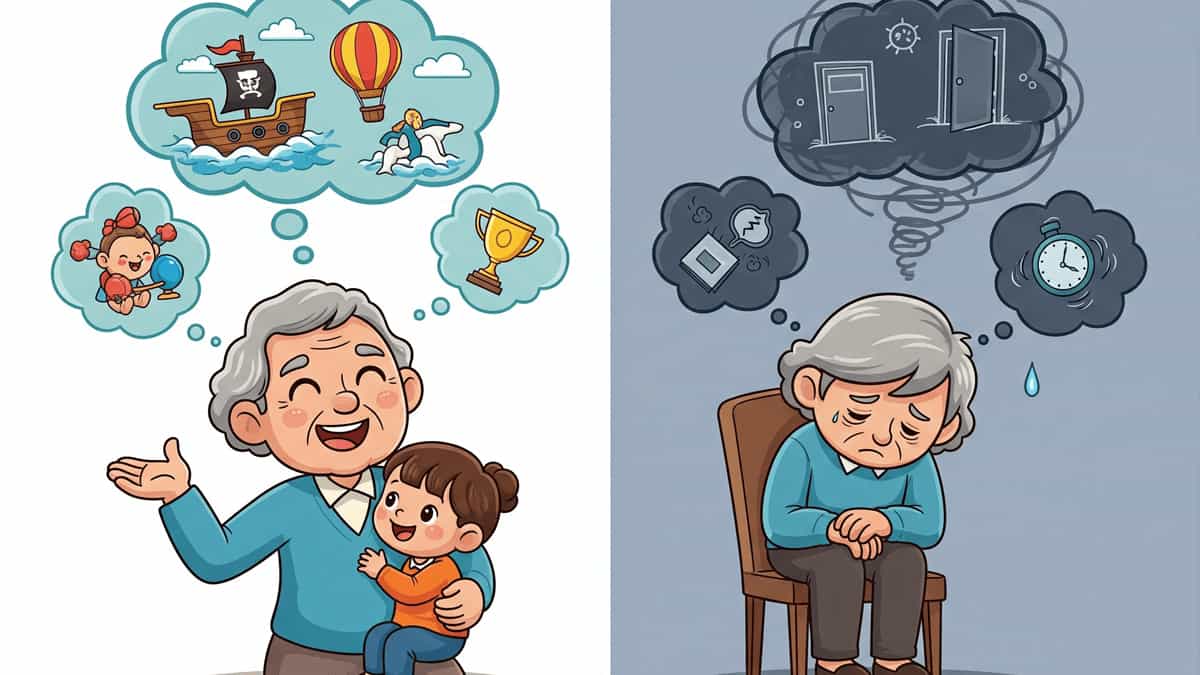
Illustration showing Erikson Stage 8 Integrity vs Despair with life reflection and regret contrast

In later adulthood, psychological concerns shift once more. The focus is no longer achievement, identity, or productivity. Now the central question becomes: 👉 “Was my life meaningful?” This is the eighth and final psychosocial conflict described by Erik Erikson: Integrity vs. Despair Quick Summary – Integrity vs. Despair Feature Details Stage Integrity vs. Despair Age … Read more

Generativity vs. Stagnation (Erikson’s Seventh Stage of Psychosocial Development)

Erikson Generativity vs Stagnation illustration showing nurturing guidance and emotional stagnation

By mid-adulthood, the psychological focus shifts again. Earlier stages revolved around identity and relationships. Now the central concern becomes: 👉 “Am I contributing something meaningful?” This is the seventh psychosocial conflict described by Erik Erikson: Generativity vs. Stagnation Quick Summary – Generativity vs. Stagnation Feature Details Stage Generativity vs. Stagnation Age Range Middle Adulthood (typically … Read more

Intimacy vs. Isolation (Erikson’s Sixth Stage of Psychosocial Development)

Illustration showing Erikson Stage 6 Intimacy vs Isolation with emotional connection and loneliness contrast

Once identity begins stabilizing, a new psychological challenge emerges. Not “Who am I?” anymore. Now the question becomes: 👉 “Can I truly connect with someone else?” This is the sixth psychosocial conflict described by Erik Erikson: Intimacy vs. Isolation Quick Summary – Intimacy vs. Isolation The Trust vs Mistrust stage is the first stage in … Read more

Identity vs. Role Confusion (Erikson’s Fifth Stage of Psychosocial Development)

Illustration showing Erikson Stage 5 Identity vs Role Confusion with multiple roles and uncertainty

This is the stage most people recognize — even if they’ve never studied psychology. Because this conflict doesn’t stay in textbooks. It shows up as: 👉 Career confusion👉 Self-doubt👉 “What am I doing with my life?” moments👉 Personal identity crises Erik Erikson framed this as: Identity vs. Role Confusion Quick Summary – Identity vs. Role … Read more

Industry vs. Inferiority (Erikson’s Fourth Stage of Psychosocial Development)

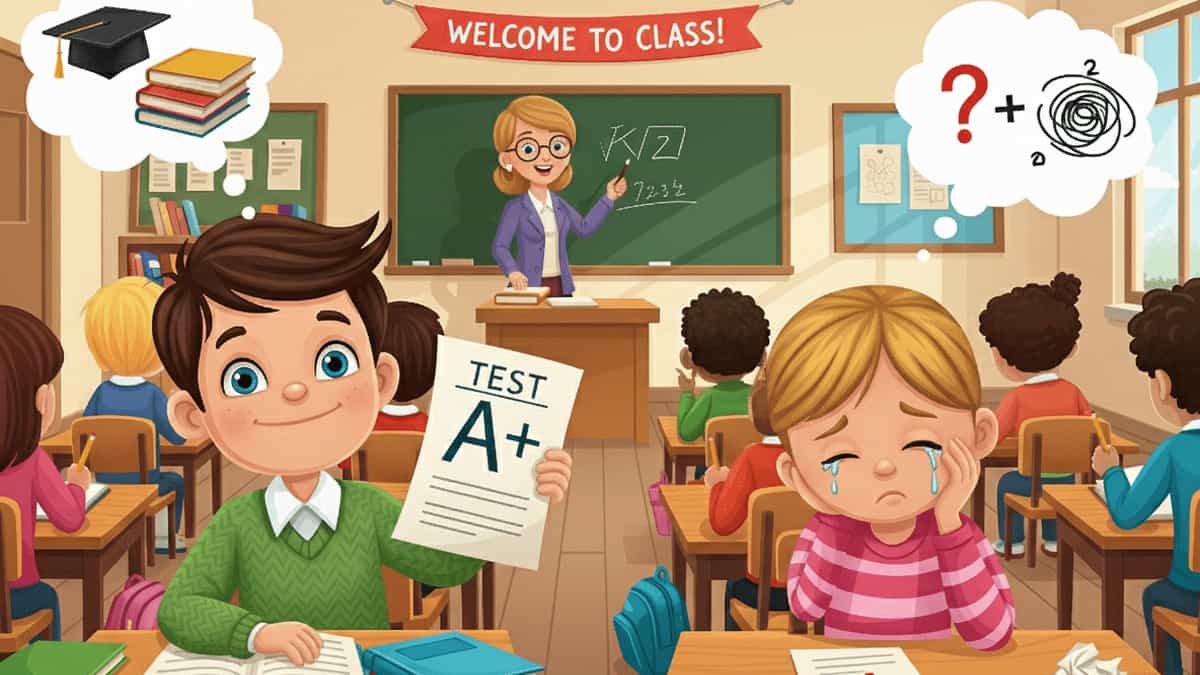
Illustration showing Erikson Stage 4 Industry vs Inferiority with confident and struggling students

As children move into the school years, development takes another shift. The focus is no longer just curiosity or independence. Now it becomes about something deeply tied to self-worth: 👉 Competence This is the fourth psychosocial conflict described by Erik Erikson: Industry vs. Inferiority Quick Summary – Industry vs. Inferiority Feature Details Stage Industry vs. … Read more

Initiative vs. Guilt (Erikson’s Third Stage of Psychosocial Development)

Illustration showing Erikson Stage 3 Initiative vs Guilt with confident and discouraged child contrast

By the time children enter early childhood, development shifts again. Now it is no longer just about safety or control — it becomes about purposeful action. This is the third psychosocial conflict described by Erik Erikson: Initiative vs. Guilt Quick Summary – Initiative vs. Guilt Feature Details Stage Initiative vs. Guilt Age Range ~3 to … Read more

Autonomy vs. Shame and Doubt (Erikson’s Second Stage of Psychosocial Development)

Illustration showing Erikson Stage 2 Autonomy vs Shame and Doubt with confidence and criticism contrast

If the first stage of development is about safety, the second is about control. After infants begin forming a basic sense of trust, a new psychological challenge emerges. The child is no longer just receiving care — they start asserting independence. This is the core conflict described by Erik Erikson: Autonomy vs. Shame and Doubt … Read more