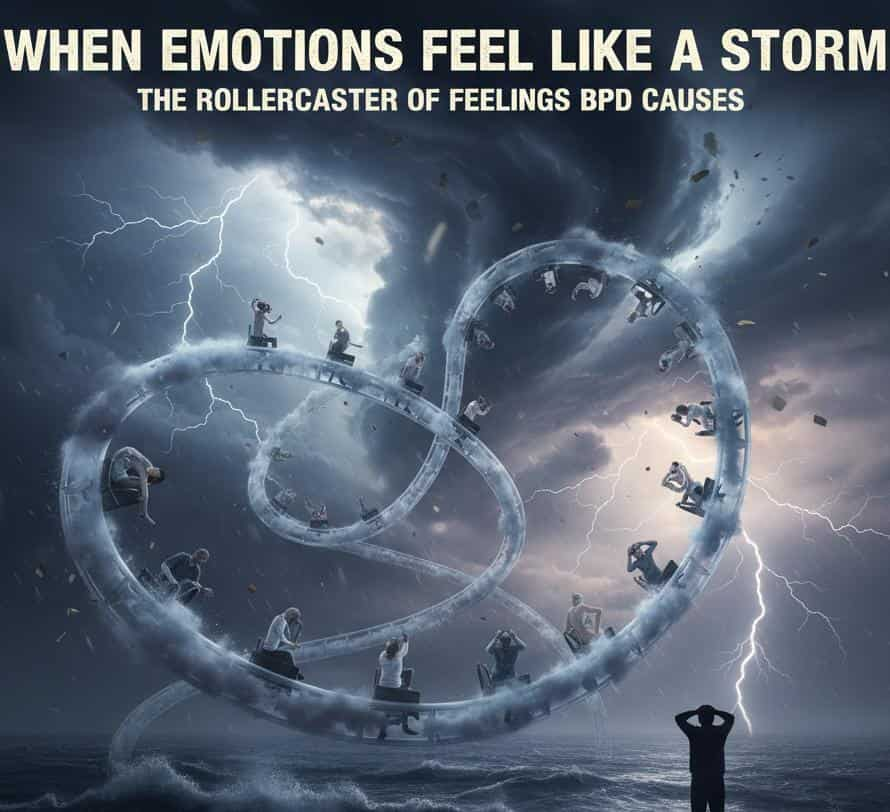
Why It Shapes Careers, Health, and Daily Life
When most people hear the word psychology, they imagine a therapist with a notepad, listening to childhood memories. Therapy is important, but psychology is far bigger than the counselling room. Modern psychology extends into classrooms, offices, sports arenas, hospitals, and even your mobile apps. It’s a science that studies why we think, feel, and act the way we do—and then applies that knowledge to improve everyday life.
In this guide, we’ll go beyond the basics and explore 28 types of psychology that help explain human thoughts, emotions, and actions. Whether you’re a student, a curious reader, or just someone who loves to understand people better, this list will give you a clear map of the field.
#Types of Psychology
1. Clinical Psychology

Focuses on diagnosing and treating mental health conditions like depression, anxiety, and trauma.
Everyday Example: A therapist using cognitive-behavioural therapy (CBT) to help clients manage negative thought patterns. Explore Clinical Psychology
2. Cognitive Psychology

Studies how people think, remember, solve problems, and learn.
Everyday Example: Why you sometimes forget names right after an introduction but remember song lyrics perfectly. Explore Cognitive Psychology
3. Criminal Psychology (New)

Studies the thoughts, behaviours, and motives of criminals. Often used in profiling and understanding crime patterns.
Everyday Example: A psychologist helping police analyse the mindset of a serial offender. Explore Criminal Psychology
4. Child Psychology (New)

Focuses on the mental, emotional, and social development of children.
Everyday Example: Understanding why toddlers throw tantrums or how early attachment affects future relationships. Explore Child Psychology
5. Developmental Psychology

Looks at how humans grow and change across the lifespan—from infancy to old age.
Everyday Example: Understanding teenage risk-taking or how childhood experiences shape adult behaviour. Explore Developmental Psychology
6. Biological Psychology

Explores how the brain, neurotransmitters, and genetics influence behaviour.
Everyday Example: How serotonin levels affect mood and energy. Explore Biological Psychology
7. Social Psychology

Examines how people’s thoughts and actions are shaped by social interactions.
Everyday Example: Why peer pressure can make smart people do silly things. Explore Social Psychology
8. Personality Psychology

Focuses on traits and individual differences that make each person unique.
Everyday Example: Introverts vs. extroverts at a networking event. Explore Personality Psychology
9. Industrial–Organizational (I/O) Psychology

Applies psychology to the workplace—improving performance, hiring, and leadership.
Everyday Example: Companies using personality tests during recruitment. Explore I-O Psychology
10. Health
Psychology

Studies how mental states impact physical health and well-being.
Everyday Example: Stress management programs that reduce the risk of heart disease. Explore Health Psychology
11. Educational Psychology
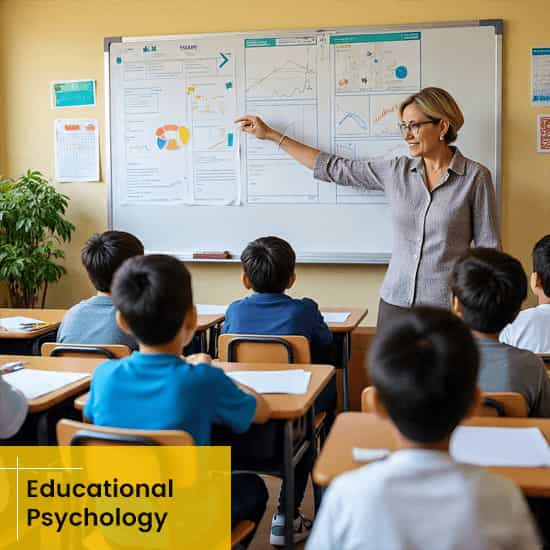
Explores how people learn and the best ways to teach.
Everyday Example: Why some students perform better with visual learning tools. Explore Educational Psychology
12. Forensic Psychology

Combines psychology and law, often helping in criminal investigations.
Everyday Example: Profiling suspects or assessing witness credibility in court. Explore Forensic Psychology
13. Environmental Psychology

Looks at how surroundings (urban spaces, nature, design) affect behaviour.
Everyday Example: Why spending time in green spaces lowers stress. Explore Environmental Psychology
14. Sports Psychology

Focuses on the mental side of athletic performance.
Everyday Example: Athletes using visualization to improve results. Explore Sports Psychology
15. Positive Psychology

Studies strengths, happiness, and what makes life worth living.
Everyday Example: Gratitude practices boosting workplace morale. Explore Positive Psychology
16. Consumer Psychology (New)
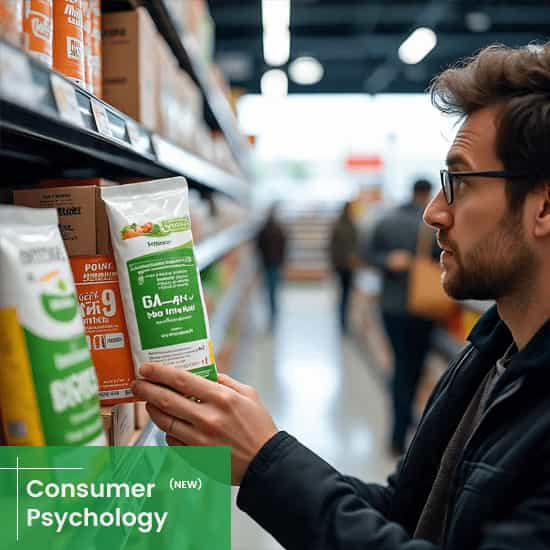
Examines how people make buying decisions.
Everyday Example: Why “limited-time offers” increase sales. Explore Consumer Psychology
17. Cross-Cultural Psychology
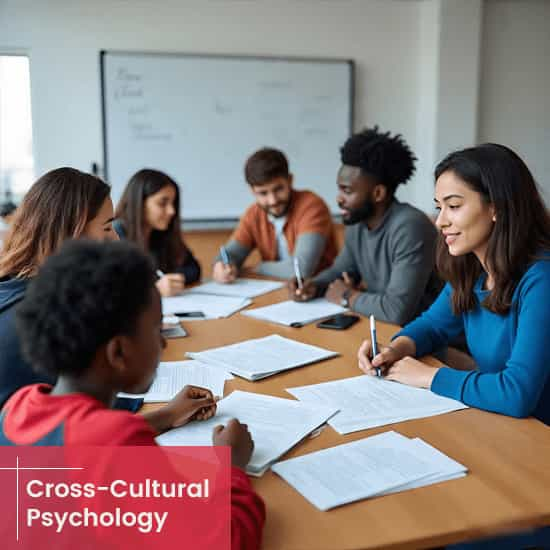
Studies how culture shapes thoughts and behaviour.
Everyday Example: Different attitudes toward teamwork in collectivist vs. individualist societies. Explore Cross-Cultural Psychology
18. Evolutionary Psychology
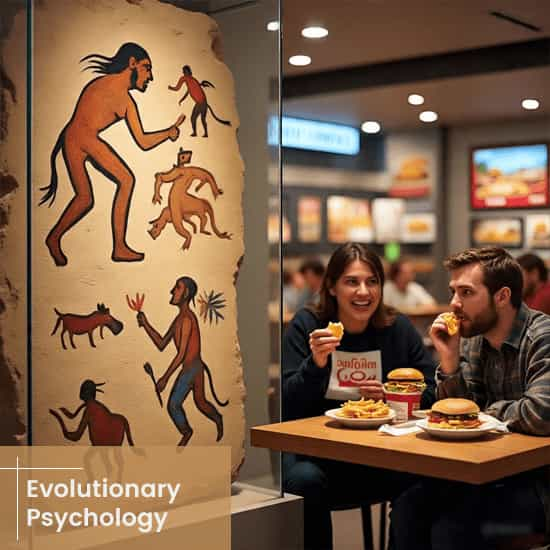
Looks at how natural selection influences human behaviour.
Everyday Example: Why humans crave sugar and fat—they were survival foods for ancestors. Explore Evolutionary Psychology
19. Humanistic Psychology

Emphasizes free will, self-growth, and human potential.
Everyday Example: Personal coaching focused on self-actualization. Explore Humanistic Psychology
20. Military Psychology (New)

Applies psychology in defence and military settings.
Everyday Example: Helping soldiers manage combat stress. Explore Military Psychology
21. Neuropsychology
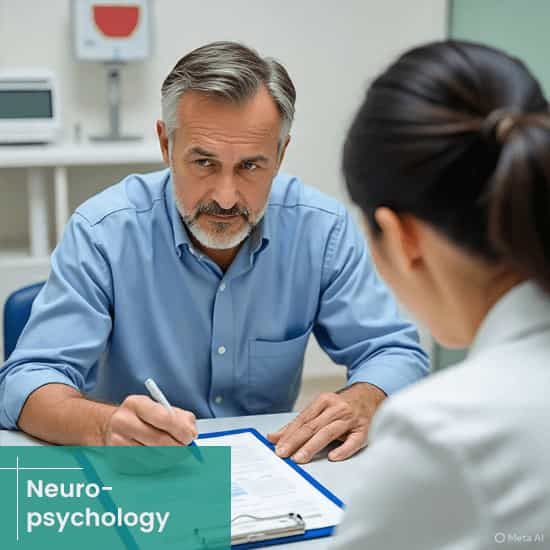
Explores brain injuries and disorders and how they affect behaviour.
Everyday Example: Rehabilitation after a stroke. Explore Neuropsychology
22. Cyberpsychology (New)

Studies human behaviour in digital spaces—social media, gaming, and online identity.
Everyday Example: Why online trolling happens more than face-to-face insults. Explore Cyberpsychology
23. Community Psychology

Focuses on improving well-being at a community level rather than just individuals.
Everyday Example: Designing neighbourhood programs to reduce crime and improve mental health. Explore Community Psychology
24. Comparative Psychology
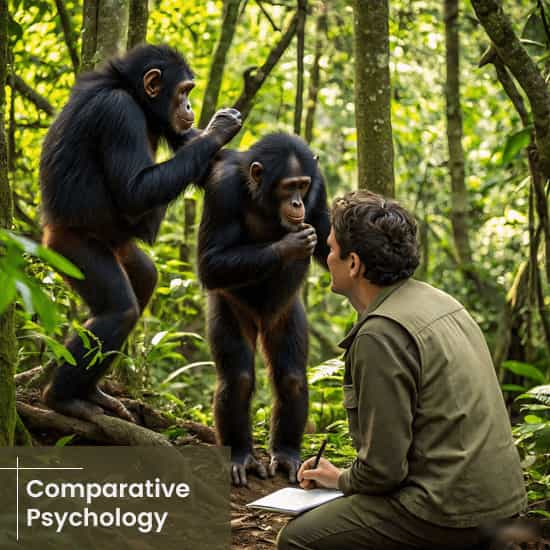
Studies animal behaviour to better understand humans.
Everyday Example: Observing chimpanzees to learn about social bonding. Explore Comparative Psychology
25. Educational Counselling Psychology (New)

Bridges guidance and support for students in schools and universities.
Everyday Example: Career counselling for high schoolers choosing college majors. Explore Educational Psychology
26. Organizational
Psychology (New)

Closely related to I/O, but focuses more on workplace culture and leadership.
Everyday Example: How good managers build trust and reduce burnout. Explore Organizational Psychology
27. Abnormal Psychology

Studies unusual behaviour patterns and psychological disorders.
Everyday Example: Understanding schizophrenia or phobias beyond just “strange” behaviour. Explore Abnormal Psychology
28. Behaviour Psychology

Focuses on understanding why people act the way they do and how behaviour changes through learning and experience.
Everyday Example: A child repeating a behaviour after receiving praise or rewards from parents or teachers. Explore Behaviour Psychology
Psychology Is More Than Mental Health

Yes, psychologists treat anxiety, depression, and trauma. But many others are researchers, teachers, consultants, or even corporate advisors.
- A sports psychologist helps an athlete push through a mental block.
- A consumer psychologist helps brands design ads that truly stick.
- A health psychologist studies habits like smoking or overeating to create better interventions.
So, psychology is not just about “fixing problems”—it’s also about unlocking human potential.
Psychology Is Everywhere Around You
Look closely, and you’ll see psychology at work all around:
- That catchy jingle in an ad? Crafted using psychological cues.
- The way websites are designed for easier clicks? User psychology.
- Struggling to quit a bad habit? Behavioural psychology can explain why routines are so sticky—and how to replace them.
From building confidence to improving relationships, psychology touches more areas of life than we often realize.
Psychology Shapes Career Paths Too

For some, curiosity about the human mind turns into a career. Others just want to understand how psychologists can help them or their loved ones. Either way, knowing the career options matters:
- School Psychologists help children manage academic and social challenges.
- Developmental Psychologists specialize in ageing and family issues.
- Industrial-Organizational Psychologists focus on workplace productivity and employee well-being.
- Clinical Psychologists treat mental health disorders.
- Counselling Psychologists guide personal growth and adjustment.
Whether you’re choosing a professional to consult—or deciding if psychology could be your career—the field offers a wide range of paths.
Psychology Career Trends in 2026
Psychology is expanding far beyond traditional clinics and classrooms. Here are a few exciting career directions that are shaping the future:
- AI + Human Behavior Specialists 🧠🤖 – Psychologists working with AI developers to make tech more human-centered and ethical.
- Cyberpsychologists 💻 – Experts studying online identity, digital addiction, and mental health in virtual spaces.
- Workplace Wellness Coaches 🏢✨ – Professionals designing mental fitness programs for corporations and startups.
- Positive Psychology Consultants 🌱 – Helping individuals and teams build resilience, gratitude, and high-performance habits.
- Health Tech & Neuropsychology Researchers 🧬 – Combining brain science with wearable devices to track and improve mental health.
- Climate & Environmental Psychologists 🌍 – Addressing eco-anxiety and promoting sustainable behaviors.
These roles show how psychology is not just about “helping people in therapy rooms” but also about shaping how we live, work, and interact with the world.
Psychology isn’t just about therapy or mental illness. It’s a living science that influences careers, health, design, leadership, and society. The more you understand it, the better equipped you are to navigate both personal growth and professional success.
About the Author
Ms. Shikha Sharma — A psychology postgraduate passionate about Criminal & Positive Psychology and Cyberpsychology.
Disclaimer
This article is for educational purposes only and should not be taken as medical advice. Please consult a licensed professional for personal or clinical concerns.
Related Articles

Sponsored


You May Also Like

Neuropsychology explains how the brain affects the way we th…

Positive Emotion in Psychology – How Joy, Gratitude & Op…

The Rebel Archetype – Breaking Rules, Challenging Systems &a…

How Your Frequency of Posting Alters Your Social Value

Violence in Games – Stress Relief or Problem? (Cyberpunk �…