Adaptive vs. Maladaptive Perfectionism: When High Standards Turn into Burnout
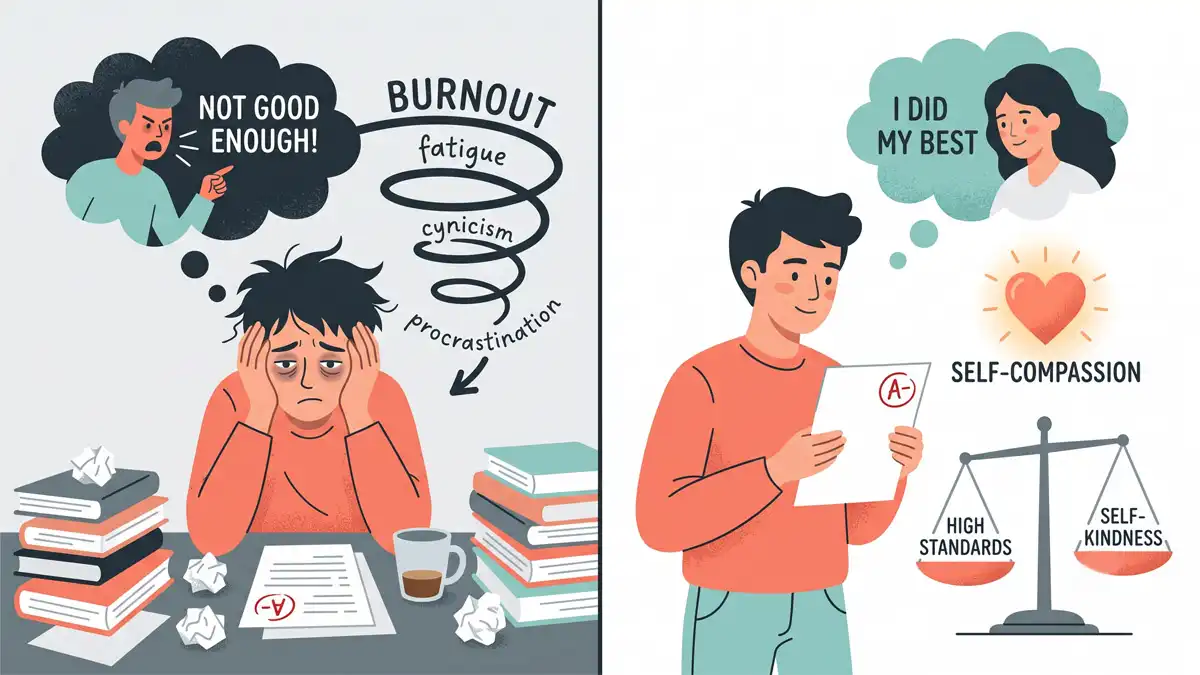
Adaptive vs maladaptive perfectionism illustration showing the link between perfectionistic concerns, academic burnout symptoms, and self-compassion recovery

The email arrives with your grade. It’s an A-minus. You stare at the screen. The A-minus isn’t good enough. It should have been an A. You should have studied more. You should have caught that one question you missed. The feeling that settles in your chest isn’t disappointment—it’s something heavier. It’s failure. You’re a perfectionist. … Read more

ADHD in Adults: Why Simple Tasks Can Feel So Difficult

An overwhelmed adult with ADHD sitting frozen at a cluttered desk, unable to start a simple task.

“I know what to do, but I can’t start.” For many adults with Attention-Deficit/Hyperactivity Disorder (ADHD), this is a frustratingly familiar experience. The task may look simple on paper: pay a bill, reply to an email, start a report, clean the room, read a chapter for class, or submit an assignment. You know what needs … Read more

Personality Disorders DSM-5: The 10 Types, Symptoms & Key Differences

Personality disorders DSM-5 guide showing complex patterns of identity, thoughts, emotions, and behavior

What Are Personality Disorders in DSM-5? Simple Definition A personality disorder is a mental health condition characterized by enduring patterns of thinking, feeling, and behaving that deviate significantly from cultural expectations. These patterns are rigid, pervasive, and cause distress or impairment in social, occupational, or other important areas of functioning. What Personality Means Personality refers … Read more

Why Turbulence Feels So Scary

Terrified airplane passenger reacting to severe turbulence during a dramatic commercial flight scene

The brain’s reaction to sudden movement, loss of control, and the cabin in motion Turbulence can turn a calm flight into a white-knuckle experience in seconds. The plane shudders, dips, and rattles. The rational mind knows the aircraft is engineered to handle it, yet the body reacts as if disaster is imminent. This isn’t overreacting. … Read more

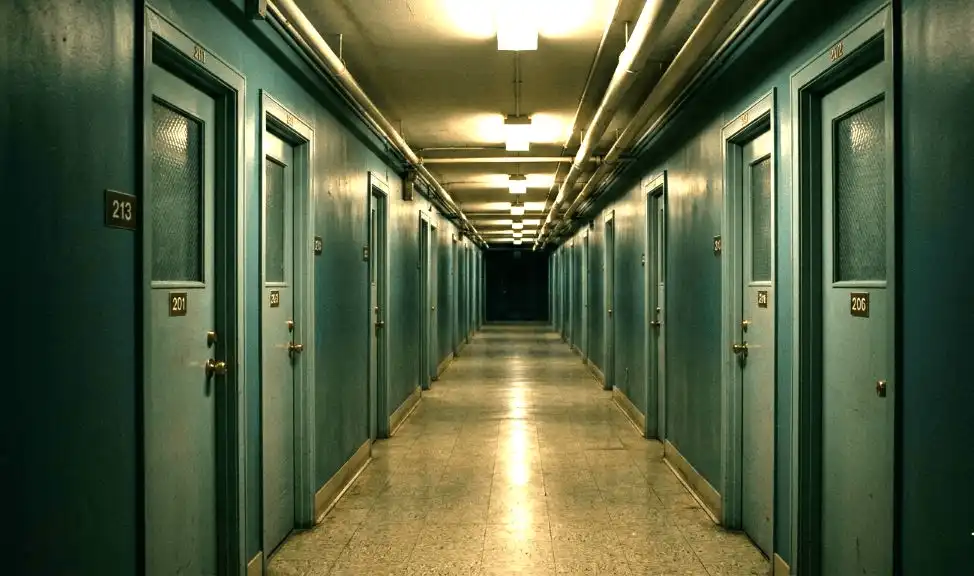
Why Empty Hallways Feel Disturbing

Long, dimly lit empty hallway that triggers unease through isolation, silence, and uncertain depth perception.

The unsettling psychology of long, silent corridors A hallway is meant to be a passage—somewhere to walk through, not to stay. Yet an empty corridor, especially one that stretches on without a visible end, can produce a quiet, creeping unease. There’s no obvious threat, no danger in sight, but the body tightens and the mind … Read more

Why Certain Images Make People Feel Uncomfortable

Person feeling uncomfortable while looking at a strange image on a laptop screen in a dark room

The brain’s rapid detection of pattern, prediction, and the unfamiliar Sometimes, an image unsettles us before we can name why. It might be a photograph with too many holes, a face that looks almost—but not quite—human, or an object placed where it doesn’t belong. There’s no obvious threat, yet a wave of mild discomfort or … Read more

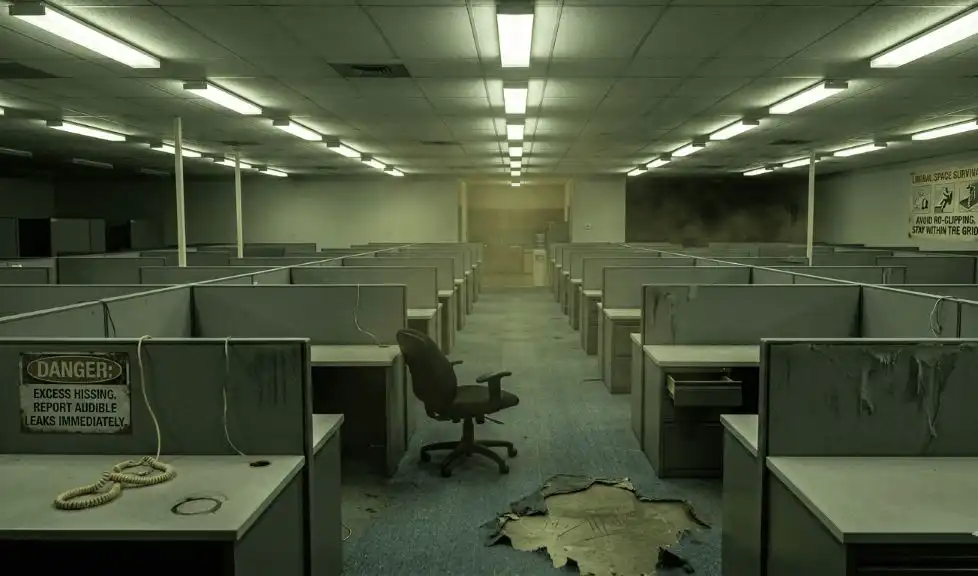
Why Backrooms Images Feel Creepy

Person viewing backrooms image on a computer screen, illustrating the creepy psychological response to liminal, empty spaces.

The psychology of liminal spaces, empty rooms, and the mind’s urge to fill the void Backrooms images—endless yellow corridors, vacant office spaces, damp carpeted rooms with no exit—have carved out a unique corner of the internet. To some, they’re just oddly lit rooms; to many others, they provoke a deep, wordless creepiness. There’s no monster … Read more

Why Silence Feels Creepy at Night

Person awake in a dark silent room at night, illustrating the brain’s heightened alertness to quiet environments after dark.

The brain’s response to quiet, darkness, and the feeling of being alone Silence is not simply the absence of sound. It’s an environment all its own, and after dark, it can change from peaceful to deeply unsettling. The same quiet that feels calming during a morning meditation can become heavy and watchful past midnight. This … Read more

Why Some Faces Look “Off” to the Brain

Subtly altered portrait of a person creating the uncanny feeling of something being "off" in facial perception.

Why Some Faces Look “Off” to the BrainThe split-second science of facial perception and the uncanny A face is the most important visual pattern the human brain processes. We see faces in clouds, in electrical sockets, in the front of a car. And when a real face—or something close to one—feels slightly wrong, the brain … Read more