The Smartphone “Brain Drain”: Why Having Your Phone on the Desk Cuts Focus

Smartphone brain drain effect illustration showing how phone presence on desk reduces cognitive load and working memory capacity during lectures

You’re in a lecture. Your phone is face-down on the desk, screen dark, notifications silenced. You haven’t touched it in forty-five minutes. You’re not distracted. Or are you? Here’s the unsettling truth uncovered by cognitive psychology: your phone doesn’t need to ring, buzz, or light up to drain your mental bandwidth. Its mere presence on … Read more

How Your Frequency of Posting Alters Your Social Value

A smartphone screen showing a social media profile with sparse, high‑quality posts and a “last posted 2 weeks ago” notice, representing selective posting.

The Attention Economy and Scarcity Every time you post, you ask for a slice of your audience’s attention. In the crowded attention economy, attention is the scarcest resource. And scarcity, as every economist knows, creates value. Why Constant Posting Lowers Mystery Mystery is an underrated component of social value. When you post every detail of … Read more

The Psychological Weight of Response Velocities

A person stares at a smartphone showing a delivered message while time passes, illustrating the emotional impact of delayed replies, perceived power dynamics, and response latency in digital communication.

Why Response Time Feels Emotional You send a message. The screen says “Delivered.” Then “Read.” Then… nothing. One minute passes. Five. An hour. With each passing minute, your brain begins a story: “Are they ignoring me? Are they angry? Did I say something wrong?” Response time is not neutral. In digital communication, every gap between … Read more

The Psychological Fallout of Read Receipts and “Left on Seen”

A person holding a smartphone, staring at a messaging screen with a “Read” receipt and no reply, late night lighting, tired expression.

Why Being Ignored Hurts Physically You see the message: “Read.” Minutes pass. Hours. Days. No reply. Your chest tightens. Your mind races. You check the app again, hoping the status will change. It does not. Being left on read is not just an annoyance. It is a form of social ostracism — and the brain … Read more

How Reels, Symbols, Comments, and DecentralizedIdentity Rapidly Shape Public Behavior

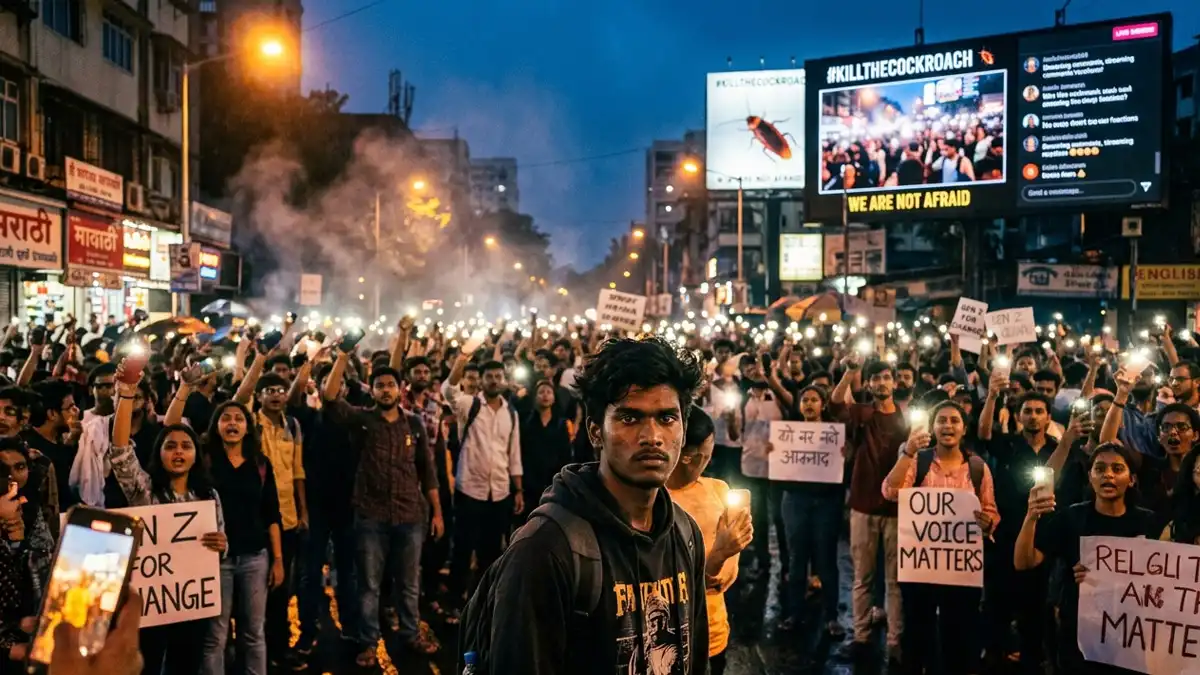
A massive crowd of Gen Z youth gathered at night on an Indian street holding glowing smartphones and placards reading Our Voice Matters, while a large digital billboard displays the viral cockroach symbol and social feeds.

There was a time when public movements in India had a predictable structure. A leader appeared on television, newspapers printed slogans, rallies were organized weeks in advance, and political offices controlled the narrative from the top down. The internet existed, but mostly as a supporting tool. That structure is collapsing in front of our eyes. … Read more

RPG Games and Identity Psychology – Why Role-Playing Games Feel So Personal

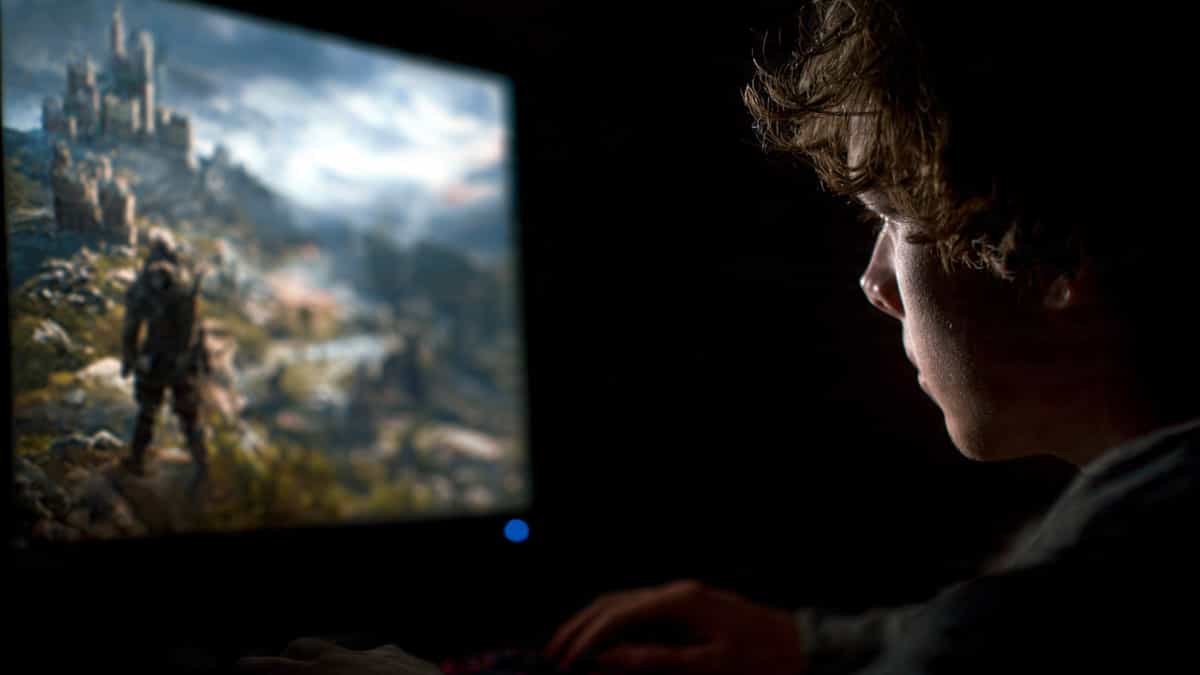
A calm person sits in a dark room looking at a game screen showing a fantasy RPG character standing on a hill overlooking a distant castle. The screen glow softly lights their face. Represents how RPG games let players become someone else and explore identity.

Role-playing games, commonly known as RPGs, are very different from most other types of games. In racing games, you control a car. In shooter games, you complete missions. In strategy games, you manage resources. But in RPG games, you don’t just control a character — you become someone. And that is where psychology comes in. … Read more

Violence in Games – Stress Relief or Problem? (Cyberpunk & GTA Psychology)

A relaxed person sits on a couch holding a game controller. Two TV screens show paused scenes from a cyberpunk game and a GTA game. Soft blue and orange lighting. Represents the psychological question of whether game violence is stress relief or a problem.

Video game violence has been debated for decades. Some people believe violent games increase aggression, while others believe they actually reduce stress by giving players a safe way to release frustration. The truth is more complicated. Violence in games is not just about shooting, fighting, or destruction — it is about control, emotion, and psychological … Read more

Why Gamers Love Anti-Hero Characters in Cyberpunk Worlds

A gamer's hands hold a controller glowing with neon blue and pink light in a dark messy room. Johnny Silverhand's shadow is reflected on the wall. A paused cyberpunk game is visible on screen. Represents why gamers prefer flawed honest anti-heroes over perfect heroes.

Not too long ago, gaming heroes were simple. You knew who the good guy was, who the bad guy was, and what needed to be done. But things have changed. Today, especially in Cyberpunk games, players are drawn toward characters who don’t fit the traditional “hero” mold. They are flawed, unpredictable, sometimes selfish, sometimes noble … Read more

Cyberpunk World vs Real World – A Psychological Comparison

Split image showing real world city vs cyberpunk neon city representing psychological differences in freedom, identity and control

At first glance, comparing a cyberpunk world to the real world sounds like comparing fiction to reality. One is full of neon lights, megacities, cybernetic implants, and powerful corporations. The other is office jobs, traffic, bills, and daily routines. But psychologically, the comparison is not as simple as fiction vs reality. In many ways, cyberpunk … Read more

Why Cyberpunk Worlds Feel More Real Than Real Life

Person walking alone in a neon cyberpunk street at night with rain reflections showing immersive virtual world experience

When people walk through a city in real life, most of what they see becomes invisible. Same roads, same buildings, same routines, same predictable days. But when the same person walks through a cyberpunk city — neon lights reflecting on wet streets, distant sirens, giant holographic ads, strangers with mysterious stories — suddenly everything feels … Read more