When people walk through a city in real life, most of what they see becomes invisible. Same roads, same buildings, same routines, same predictable days. But when the same person walks through a cyberpunk city — neon lights reflecting on wet streets, distant sirens, giant holographic ads, strangers with mysterious stories — suddenly everything feels alive. Strangely, a fictional world starts feeling more real than the real one.
This is not really about graphics or technology. It is about psychology.
Games like Cyberpunk 2077 don’t just create a world; they create an emotional environment. And the human brain responds more to emotional reality than physical reality. That is why sometimes a virtual city can feel more alive than the one outside your window.
The Brain Doesn’t Care About Reality — It Cares About Experience
Human perception is not based purely on what is real. It is based on what is stimulating, emotional, and meaningful. Real life is often repetitive. You wake up, work, eat, sleep, repeat. The brain quickly automates repetitive environments to save energy, and when that happens, days start feeling blurred and forgettable.
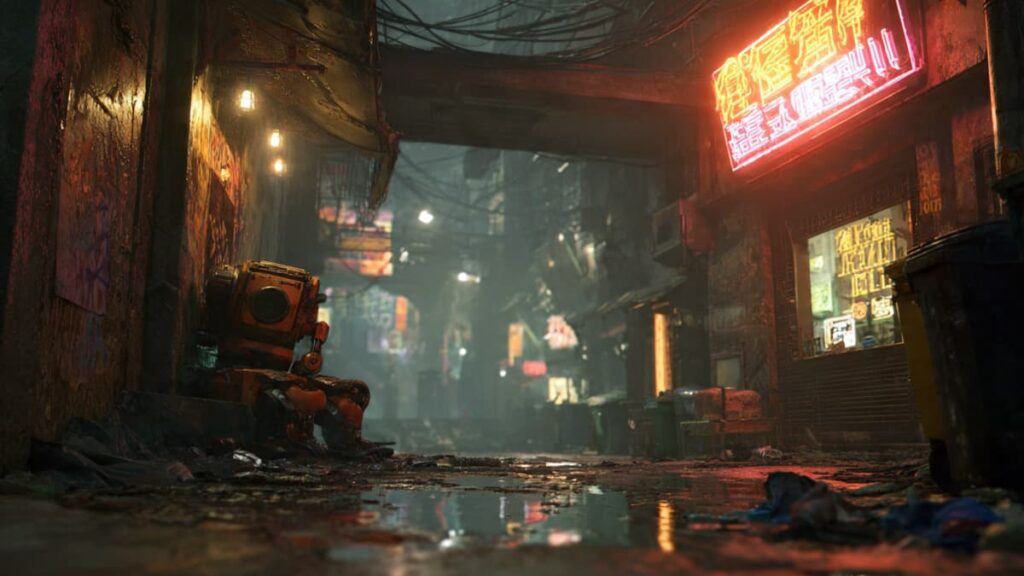
Cyberpunk worlds are the opposite of routine. They are unpredictable, dense, loud, colorful, and full of small stories happening everywhere. The brain stays alert because everything feels new. When the brain is alert and emotionally engaged, it records the experience more strongly. That is why a few hours in a game world can feel more memorable than an entire normal day.
So the world feels more real not because it is real, but because your brain is more awake inside it.
Core Psychological Triggers in Cyberpunk
- High Sensory Stimulation: Dense visual and audio queues prevent the brain from switching to autopilot.
- Emotional Anchor Points: Small, intimate environmental stories trigger immediate player empathy.
- Cognitive Novelty: Constantly changing surroundings keep the brain alert and retain memories longer.
Imperfect Worlds Feel More Authentic
Another strange psychological effect is that humans trust imperfect worlds more than perfect ones. A perfect utopian city feels fake. But a cyberpunk city is full of crime, corruption, poverty, powerful corporations, broken systems, and struggling people. It looks messy, unfair, and chaotic — just like real life.

In many cyberpunk stories, the world is not good, but it feels believable. People are not heroes; they are survivors. Characters are not perfect; they are damaged, angry, lonely, or confused. Someone like Johnny Silverhand is not a traditional hero. He is arrogant, rebellious, emotional, sometimes wrong, sometimes right. But because he is flawed, he feels human. And when characters feel human, the world around them also starts feeling real.
Perfection feels artificial. Imperfection feels real.
The Night City Effect: Why Neon, Rain, and Night Feel Emotional
Most cyberpunk worlds are set at night, and that is not an accident. Night changes human psychology. Cities at night feel mysterious, lonely, and emotional. Lights look brighter, streets look emptier, music feels deeper, and people feel more thoughtful. Add rain, reflections, neon lights, and slow ambient music, and you create a very specific emotional atmosphere.

This atmosphere triggers a feeling called urban loneliness — the feeling of being surrounded by millions of people but still feeling alone. Many people in modern cities already feel this in real life, but cyberpunk worlds exaggerate it visually and emotionally. When a world reflects emotions you already have but cannot explain, it feels strangely familiar. Familiar emotions make fictional places feel real.
Freedom, Control, and the Illusion of Importance
In real life, most people feel like a small part of a very large system. You follow rules, schedules, laws, social expectations, financial limitations. Your choices are limited by reality.

In a cyberpunk game world, even if the world is dangerous and chaotic, one thing is different: you matter. The story moves because of you. People react to you. You make decisions. You change outcomes. You are not just existing; you are influencing the world.
Psychologically, this is very powerful. Humans want agency — the feeling that their decisions matter. Games give a strong illusion of control and importance, which real life often does not provide. Because of this, the game world feels more responsive, and therefore more real.
Real Life Is Stable, Cyberpunk Worlds Are Alive
Real life is designed for stability. Systems are built to reduce chaos. Traffic rules, office hours, laws, routines — all of these exist to make society predictable and safe. But predictability also reduces excitement. When everything is predictable, the brain stops paying attention.
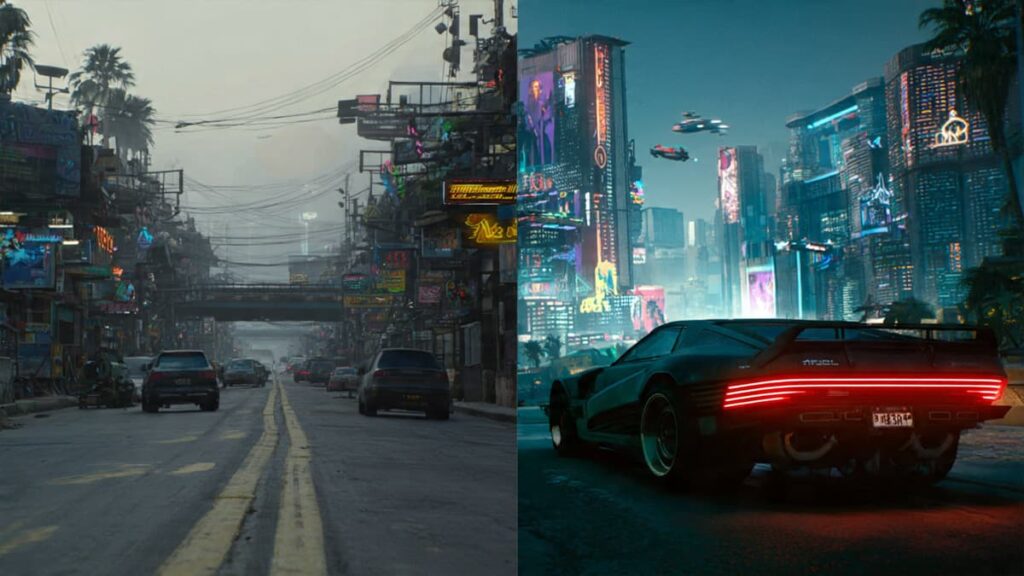
Cyberpunk worlds are the opposite. They are unstable, risky, dramatic, emotional, and visually intense. From a survival perspective, such a world would be terrible to live in. But from a psychological and emotional perspective, such a world feels alive every second.
REAL LIFE VS CYBERPUNK WORLDS
- ✓ Predictable, safe, and built for survival
- ✓ Reduces daily physical risks and danger
- ✓ Maintains society through order and routine
CONS
- ✕ Highly repetitive and reduces sensory alertness
- ✕ Often leaves individuals feeling like small, powerless parts of a system
- ✕ Can trigger feelings of routine boredom and detachment
So the strange truth is this:
Real life is better to live in, but cyberpunk worlds are more exciting to experience.
The Real Reason Cyberpunk Worlds Feel Real
In the end, cyberpunk worlds feel more real not because they are realistic, but because they are emotionally dense. They compress loneliness, ambition, power, inequality, technology, identity, freedom, and survival into one environment. They show exaggerated versions of problems that already exist in the real world — corporate power, social inequality, technology addiction, artificial identity, isolation in big cities.
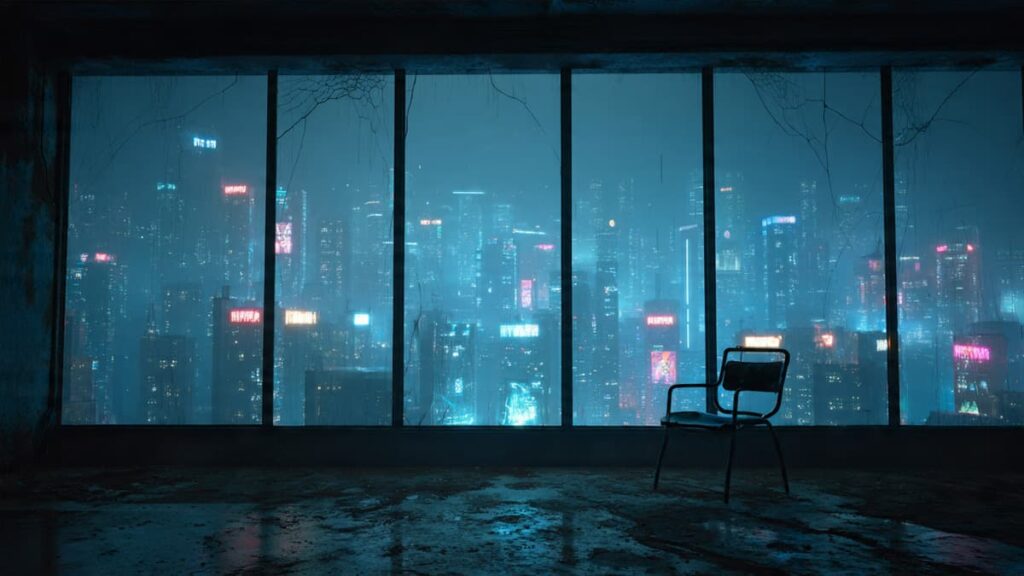
Cyberpunk is not really about the future.
Cyberpunk is about the present, just exaggerated and covered in neon lights.
That is why when people walk through a cyberpunk city, they sometimes feel like they are not seeing the future — they are seeing a more honest version of the world they already live in.
And maybe that is the real reason these worlds feel so real.
Key Takeaway: The Cyberpunk Paradox
- Heightened Awareness: The brain ignores repetitive real-life patterns but stays alert in unpredictable, dense virtual cities.
- The Power of Flaws: Imperfect characters, corruption, and chaos feel more authentic because they mirror human messiness.
- Emotional Resonance: Rainy neon nights trigger familiar feelings of urban loneliness, making fictional spaces intimate.
- Agency and Impact: Unlike rigid real-world systems, games offer an illusion of control where player choices truly matter.
FAQs
Why do fictional cyberpunk cities feel more engaging than real cities?
Real cities rely on routines and predictability, causing the human brain to automate surroundings to save energy. Cyberpunk cities are dense, unpredictable, and emotionally stimulating, which keeps the brain alert and fully engaged.
What is urban loneliness in gaming psychology?
Urban loneliness is the feeling of being isolated despite being surrounded by millions of people. Cyberpunk worlds visually exaggerate this through rainy night settings, neon lighting, and ambient sounds that evoke familiar human emotions.
How do games give players a sense of agency?
In real life, people often feel constrained by social rules and large systems. Cyberpunk games put the player at the center of the story, making choices reactively impact the world and satisfying the psychological need for agency.
Related Articles


Sponsored


You May Also Like

Atypical Depression The Hidden Type You Might Not Recognize

How to Stop Overthinking: Science-Based Techniques That Work

Vulnerability vs. Status: The Delicate Balance of Projecting…

Identity vs. Role Confusion (Erikson’s Fifth Stage of Psycho…

Industrial-Organizational Psychology: The Science of Making …