The Hidden Geometry of Nightclub Approaches
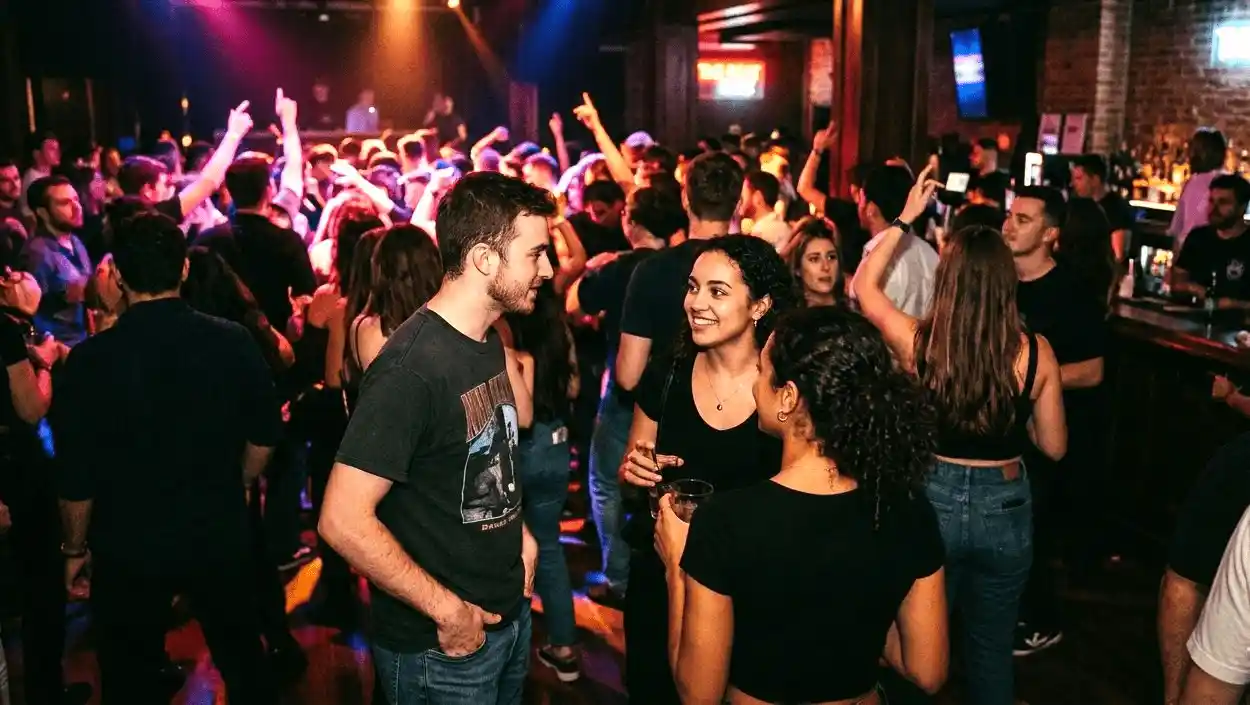
A crowded nightclub dance floor, one person approaching another at a 45‑degree angle with open body language, both making eye contact.

Why Personal Space Still Exists in Crowded Clubs You are shoulder‑to‑shoulder with strangers. The bass vibrates through your chest. Yet somehow, you still know when someone is too close. This is proxemics — the study of personal space and how humans use distance to regulate social interaction. Even in high‑density environments like nightclubs, your brain … Read more
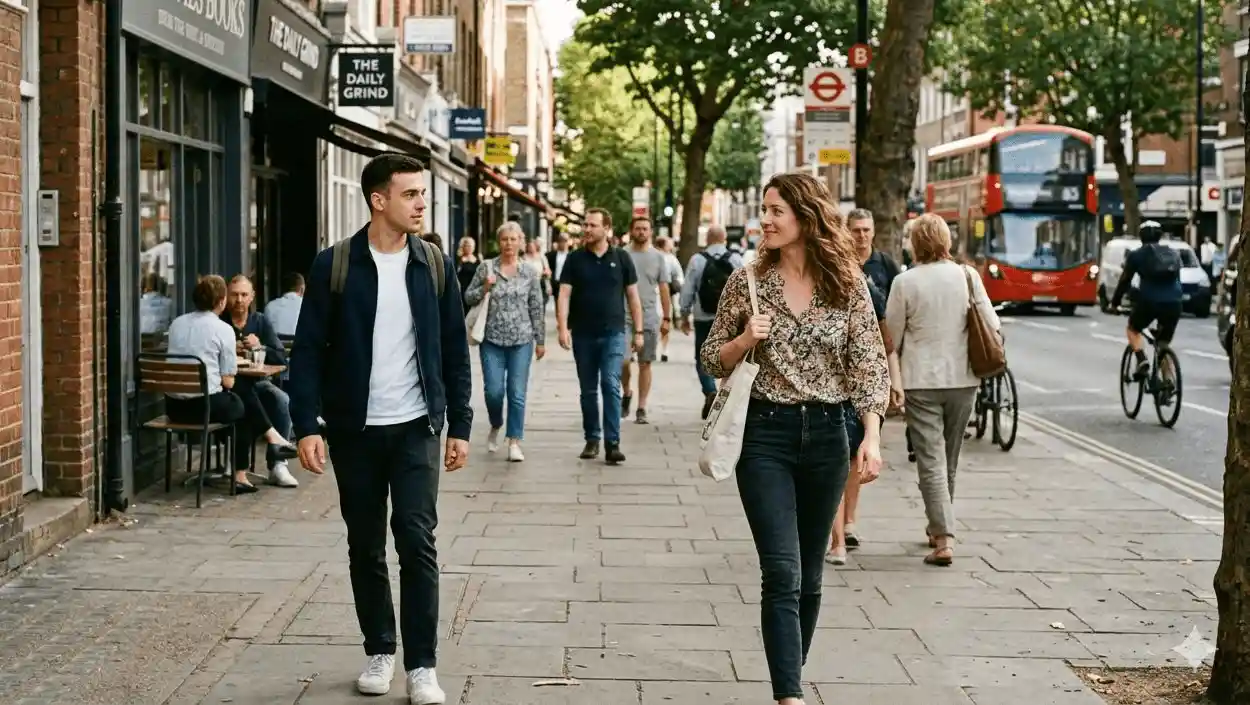
The Hidden Spatial Negotiations of Passing Strangers

Two pedestrians approaching each other on a city sidewalk, one slightly dipping a shoulder, both making brief eye contact, preparing to pass smoothly.

The Silent Rules of Sidewalk Navigation Every day, millions of pedestrians perform an invisible dance. On crowded sidewalks, strangers approach each other from opposite directions, and without a single word, they decide who moves left, who moves right, and who yields. This negotiation happens in milliseconds, guided by subtle body shifts, eye movements, and shoulder … Read more

Commuter Claustrophobia: Managing the Silent Status Battles of Crowded Platforms

Extremely crowded metro platform at rush hour, train arriving, passengers standing near doors, one person standing calmly to the side with open posture.

Why Crowded Platforms Trigger Anxiety A metro platform at rush hour is a pressure cooker. Hundreds of people stand shoulder to shoulder, waiting for a train that may already be packed. The air is warm. The noise echoes. And somewhere behind you, a crowd is pressing forward, ready to surge. This is commuter claustrophobia — … Read more

Civil Inattention: The Psychological Art of Being Pressed Against Strangers

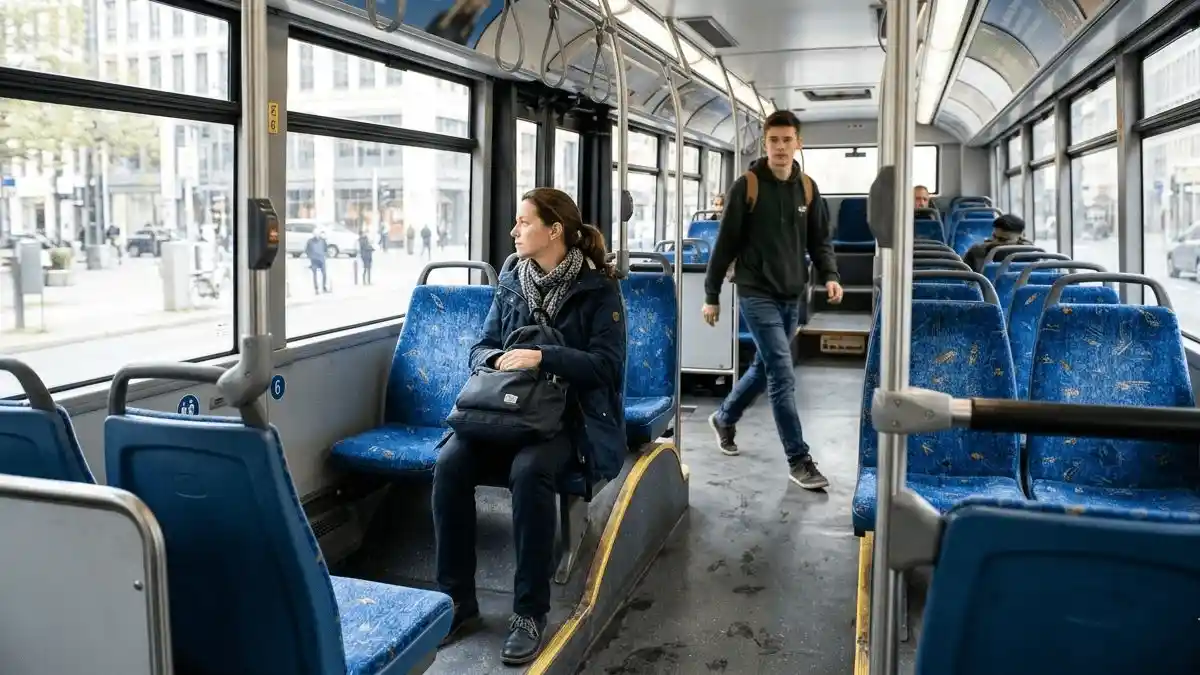
Extremely crowded metro train car, passengers standing shoulder to shoulder, all looking at phones or staring blankly ahead, neutral expressions, no eye contact.

Why Humans Avoid Eye Contact in Crowded Trains The metro at rush hour is a marvel of psychological adaptation. Strangers are pressed shoulder to shoulder, swaying together, breathing the same recycled air. Yet no one speaks. No one makes eye contact. Everyone pretends to be alone. This is civil inattention at its most extreme — … Read more

The Fence Psychology: Negotiating Privacy vs. Community Accessibility

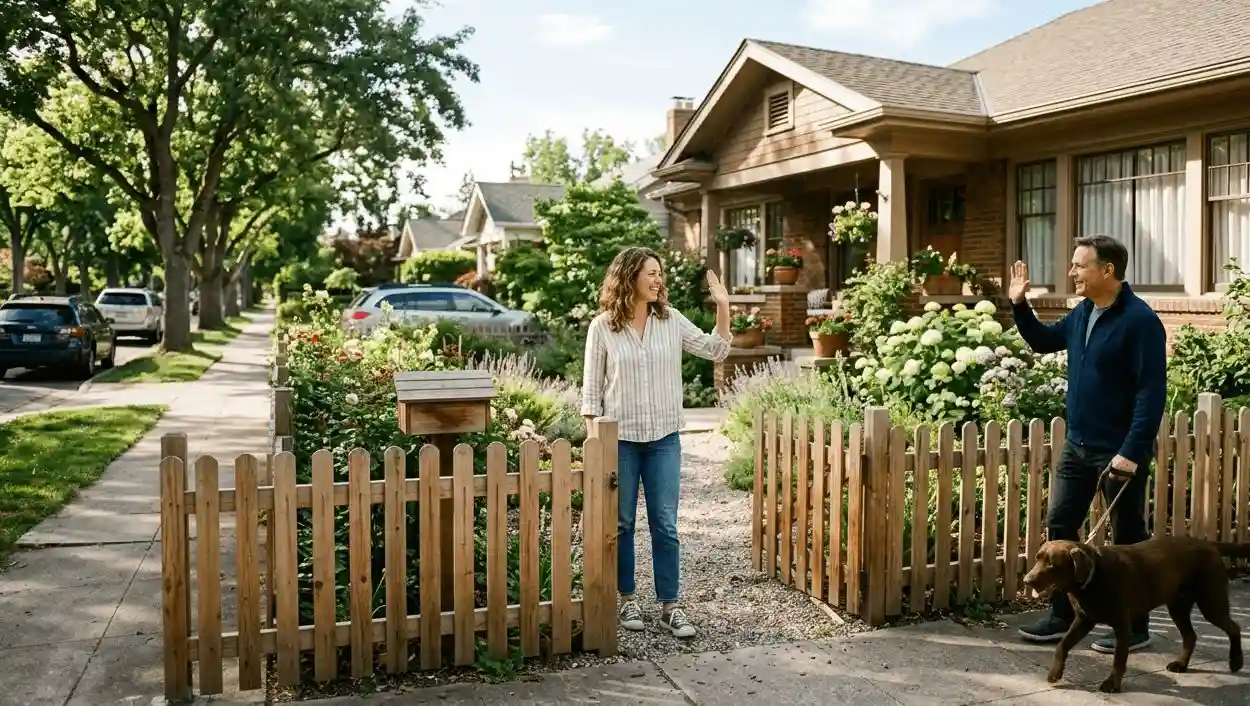
A low wooden fence with a gate, a person standing in the front yard waving to a passing neighbor, warm afternoon light.

Why Humans Need Both Privacy and Connection The fence at the edge of your property is not just wood or metal. It is a psychological statement — a negotiation between your need for sanctuary and the community’s need for connection. Too high, and you seem hostile. Too low, and you feel exposed. No fence at … Read more

Why Empty Buildings Feel Creepy at Night

Dark empty school hallway at night with emergency exit light

Empty buildings often feel unsettling because the human brain expects indoor spaces to contain movement, sound, and human activity. A dark office hallway, abandoned mall, silent hotel corridor, or empty school at night can quickly trigger anxiety and environmental discomfort. Backrooms-style imagery amplifies these fears by combining silence, isolation, fluorescent lighting, and endless architecture into … Read more

Why Backrooms Feel Like a Dream You Can’t Escape

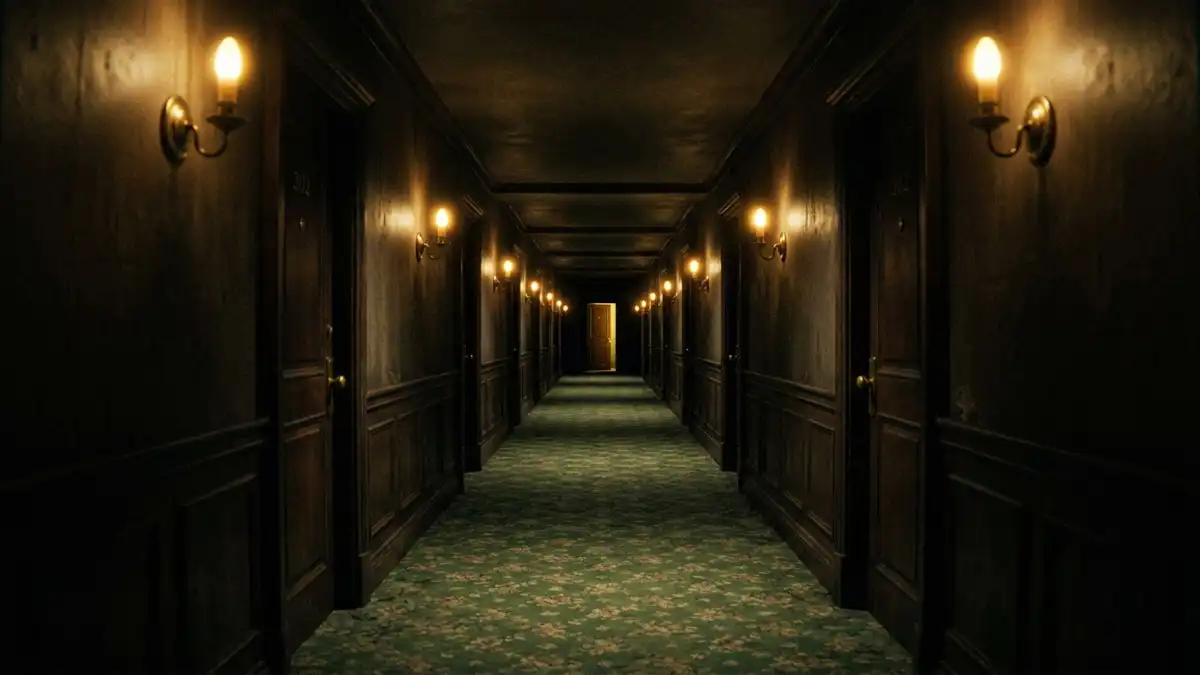
Endless green hotel hallway with repetitive doors, dreamlike atmosphere

The Backrooms feel less like traditional horror and more like a strange dream you cannot wake up from. Endless yellow hallways, repeating rooms, liminal spaces, and impossible architecture create the same confusion found in vivid dreams and nightmares. Many Backrooms images trigger feelings of false familiarity, isolation, and spatial disorientation, making the environment feel psychologically … Read more

Why Liminal Spaces Feel So Uncomfortable to Humans

Empty indoor mall with skylights, no people, liminal space psychology

Liminal spaces such as empty malls, silent school hallways, abandoned offices, hotel corridors, and Backrooms-style rooms often create a strange feeling of discomfort. These transitional environments feel familiar, yet emotionally wrong, which is why liminal space psychology has become a major internet fascination. From eerie fluorescent lighting to endless empty hallways, liminal spaces trigger uncertainty, … Read more

Why Backrooms Feel Real Even Though They Aren’t

Empty yellow Backrooms hallway with fluorescent lights, psychological fear illustration

Why Fictional Places Can Feel Psychologically Real The Backrooms are not real — yet your brain reacts to them as if they might be. This happens because the brain does not distinguish sharply between imagined and real threats when sensory cues are vivid enough. Neuroscientific studies show that mental imagery activates similar neural circuits as … Read more