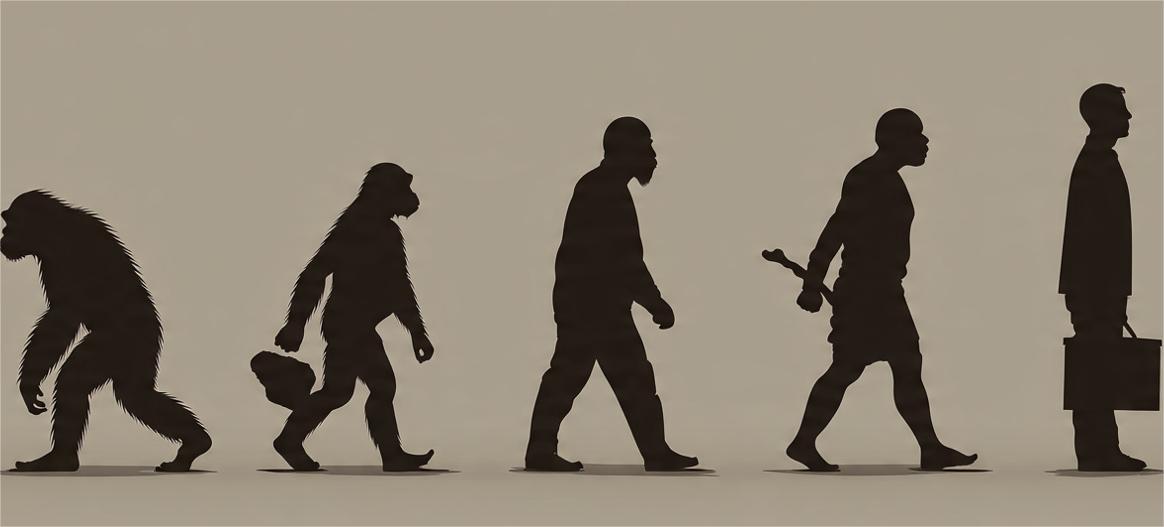
There was a time when public movements in India had a predictable structure. A leader appeared on television, newspapers printed slogans, rallies were organized weeks in advance, and political offices controlled the narrative from the top down. The internet existed, but mostly as a supporting tool.
That structure is collapsing in front of our eyes.
The sudden rise of the “Cockroach Janta Party” phenomenon—a satirical, anti-establishment meme movement that swept across social media—showed something far bigger than a meme trend. What began as satire rapidly evolved into a decentralized internet-native behavioral wave powered by reels, emotional symbolism, synchronized audio, comment psychology, and algorithmic participation. In just days, millions of users across India — and eventually overseas audiences — became emotionally invested in a movement that had no traditional organizational structure.
From a cyberpsychology perspective, this was not random virality. It was a real-time demonstration of how digital ecosystems can rapidly synchronize human behavior.
The Pattern Engine: Symbols, Sounds, and Cognitive Familiarity

The most important detail was not the follower count. It was repetition.
The same music appeared across thousands of reels. The same cockroach symbol kept resurfacing in stickers, posters, profile pictures, helmets, embroidery patches, t-shirts, and car decals. The same slogans echoed through campuses, comments, and short videos.
PsychoPeak Insight: The Mere-Exposure Effect & Frequency Illusion
- By repeatedly exposing users to the exact same symbol and audio, platforms exploit the Mere-Exposure Effect (developing a psychological preference for things purely due to familiarity) and trigger the Frequency Illusion, tricking the brain into perceiving a localized digital trend as an omnipresent societal reality.
Humans are deeply pattern-driven creatures. When the brain repeatedly encounters the same symbols, sounds, and emotional tone across different accounts, it stops processing them as isolated posts. It begins interpreting them as collective social momentum.
That is where cyberpsychology enters the picture.
A user scrolling through reels does not simply consume content anymore. They absorb emotional atmosphere. When thousands of people use the same audio, repeat the same slogans, and engage in the same visual language, users begin feeling that something larger than themselves is happening.
This creates what psychologists often call perceived collective participation. Even if users never leave their homes, they feel emotionally present inside the crowd.
Open-Source Culture and Decentralized Identity

The rise of decentralized identity made the phenomenon even stronger.
Traditional political systems rely on centralized authority:
- Leaders
- Offices
- Official statements
- Structured hierarchies
Internet-native movements behave differently. They function more like open-source culture. Anybody can remix the symbol, create a regional account, print stickers, launch a local chapter, or make their own version of the narrative.
PsychoPeak Insight: Identity Fusion
- When centralized gatekeepers are removed, participants experience Identity Fusion. The boundary between the individual’s personal ego and the collective digital collective dissolves, transforming casual online followers into self-activating agents of a shared cause.
That is why attempts to suppress decentralized meme ecosystems often produce the opposite effect. When an account disappears, users emotionally interpret it as resistance. New pages appear instantly. Backup communities form. Clone accounts multiply. Participation becomes easier because the identity itself is lightweight and infinitely reproducible.
FEATURES
- ✓ A political office is difficult to replicate. A meme is not.
From URL to IRL: The Psychology of Tribal Signaling

One of the most fascinating aspects of this movement was how quickly online participation spilled into physical spaces. Students carried placards into protests. Motorcycle riders wore branded stickers on helmets and backpacks. Local creators printed embroidered logos. Lawyers offered symbolic legal support graphics. Cars displayed decals. Protest slogans migrated from comments sections into crowded streets.
This transition matters psychologically because symbols become more powerful when they leave the screen and enter daily life. Humans naturally seek visible tribal signals. Throughout history those signals appeared as flags, badges, uniforms, posters, or graffiti.
The infrastructure has changed, but the underlying psychology remains deeply human.
Affective Accessibility: Bridging Humor and Institutional Anxiety
Another critical factor was emotional accessibility. Many movements fail because they rely entirely on abstract ideology. This trend spread because it attached itself to everyday frustrations people instantly understood: exam irregularities, poor infrastructure, broken systems, lack of accountability, unemployment anxiety, VIP culture, and institutional silence.
PsychoPeak Insight: Benign Violation Theory
- Satire works because it acts as a benign violation. Serious systemic failures (violations) are reframed through absurd, humorous lenses (benign), lowering defensive cognitive resistance and making heavy, anxiety-inducing topics digestible and highly shareable.
The humor lowered the barrier to participation, while the emotional frustration kept users engaged. That combination is incredibly powerful online.
FEATURES
- ✓ People rarely share policy papers with millions of strangers. They share emotionally compressed symbols.
The Comment Section as a Matrix of Consensus

The role of comments is also underestimated. In older media systems, audiences were passive viewers. On modern platforms, comments themselves become part of the content experience. A viral reel with thousands of synchronized comments creates social proof.
Users scrolling through the post do not just watch the video; they witness visible emotional consensus in real time. Supportive comments, reaction memes, regional language participation, and repeated slogans all reinforce the perception that a mass cultural shift is underway. This triggers a powerful Bandwagon Effect, forcing even passive observers to align with the dominant sentiment. This group dynamic often accelerates polarization.
You May Also Like
The Psychology Behind Digital Fights and Why We Argue More Online
The internet no longer behaves like a broadcasting platform. It behaves like a nervous system.
The New Communication Paradigm
What makes this phenomenon historically important is not whether it becomes a formal political structure. The real significance lies elsewhere. It revealed the scale of India’s always-online youth population and demonstrated how quickly internet-native identities can organize attention at national scale without relying on traditional institutions.
For years, older generations often dismissed Gen Z as distracted, unserious, or politically disconnected. This movement challenged that assumption. The issue was never lack of engagement. It was mismatch of communication style. Gen Z responds to emotionally charged visual language, remix culture, irony, fast participation loops, and decentralized storytelling.
The Digital Shift
- ✓ Reels became rallies.
- ✓ Comments became chants.
- ✓ Symbols became identity.
- ✓ And the algorithm became the amplifier.
Whether future movements follow this exact path or not, one thing is now impossible to ignore: public behavior in the digital age can change at extraordinary speed when emotion, symbolism, technology, and collective participation merge into a single online ecosystem.
Expand Your Mind: Related Reads from PsychoPeak
Disclaimer: This article is intended purely for psychological and cyberculture analysis. PsychoPeak.com does not endorse, organize, or encourage any political movement or campaign discussed in this content.
Related Articles


Sponsored


You May Also Like

Why Glass Floors Trigger Panic for Some People

How to Manage Anxiety Naturally (Psychology-Based Methods)

The PERMA Model: A Science-Backed Path to Lasting Happiness

Why Self-Actualization Is Harder Than It Sounds: The Psychol…

How Stress Affects Your Body: The Psychology Behind Modern B…