
Personal Intro
While observing people who maintained long-term well-being, I noticed they didn’t rely on dramatic changes. They built small, repeatable habits. Positive psychology consistently shows that consistency, not intensity, is what sustains mental health over time.
KEY TAKEAWAYS
- Small, repeatable habits sustain long-term mental health better than major life overhauls.
- Routine reduces decision fatigue and stabilizes mood through neuroscience-backed mechanisms.
- Consistency builds self-efficacy and psychological safety step by step.
The Power of Small Wins
We often believe happiness requires a major turning point—a new job, a relocation, or a complete lifestyle overhaul. Yet psychological research paints a different picture. Small habits, practiced daily, quietly reshape our emotional baseline. These “small wins” create psychological safety, predictability, and a sense of agency—three pillars of long-term well-being.
As James Clear famously said, “You do not rise to the level of your goals. You fall to the level of your systems.” It’s the system of daily behaviors, not dramatic milestones, that shapes our mental health.
Habit Formation and Mood Stability
Habit formation works through repetition, not motivation. When a behavior becomes automatic—such as a five-minute walk, journaling one thought, or consistent sleep timing—it reduces decision fatigue and stabilizes mood.
Neuroscience explains this through reduced cognitive load and smoother emotional regulation. Over time, habits strengthen the mind–body connection, improving stress responses and emotional balance . This is why routines are often recommended in the treatment of mood disorders, including depression and anxiety.
Why Big Changes Fail
Big life changes often collapse under their own weight. They demand sustained motivation, high energy, and perfect conditions—none of which are realistic during psychological distress. Sudden overhauls can even increase anxiety, guilt, or feelings of failure when consistency breaks.
A longitudinal study in the United States examining New Year’s resolutions found that over 80% failed within six weeks—not due to lack of desire, but because the goals were too large to integrate into daily life. Psychology emphasizes behavioral sustainability, not emotional extremes.
Routine as Emotional Support
Routines act as emotional scaffolding. During periods of low mood, grief, or stress, habits provide continuity when motivation disappears. This is especially relevant in conditions like persistent depressive disorder, where emotional numbness can last for years .
A UK-based NHS case review showed that patients who maintained simple daily routines—fixed wake times, light physical movement, and predictable meals—reported better emotional stability than those focusing solely on cognitive insight.
Positive Feedback Loops
Small habits trigger positive feedback loops. A short walk improves sleep; better sleep improves mood; improved mood increases the likelihood of repeating the habit. This cycle strengthens self-efficacy, a key psychological factor in long-term resilience.
Positive psychology frameworks like the PERMA model highlight how small, repeated behaviors enhance engagement and meaning over time .
Designing Sustainable Habits
3 QUALITIES OF EFFECTIVE HABITS
- ✓ Small enough to perform on low-energy days
- ✓ Specific in time or context
- ✓ Emotionally rewarding, not punishing
For example, “walk for 30 minutes daily” often fails. “Step outside for two minutes after lunch” succeeds. Over time, habits expand naturally without force.
Behavioral psychology shows that habit formation is strongest when behaviors are tied to existing routines .
You May Also Like
How Behavioral Conditioning Shapes Daily Habits
Tracking Progress Without Pressure
Tracking should support, not shame. Visual cues like calendars, streaks, or brief reflections help reinforce identity (“I’m someone who shows up”) rather than performance (“I must do it perfectly”).
Avoid obsessive monitoring. The goal is stability, not optimization. Mental health improves when habits feel like support, not surveillance.
Small Habits Build Stability
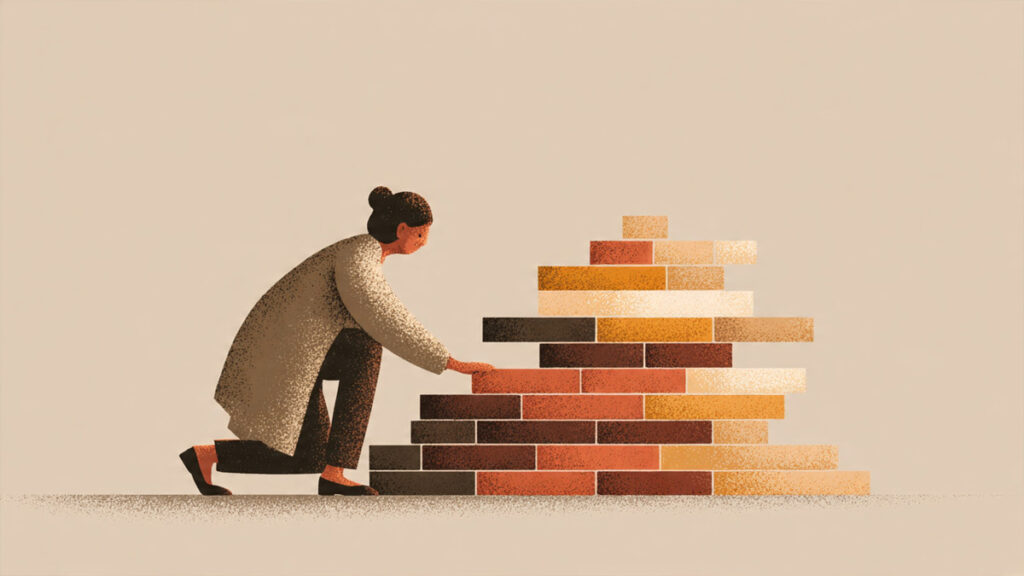
Lasting mental health isn’t built through dramatic reinvention. It grows quietly, through small positive habits repeated over time. These habits anchor us during uncertainty, regulate emotions, and restore trust in ourselves. Change doesn’t need to be loud—it needs to be consistent.
Creating Your “Micro-Habit”
To make a habit stick, it must follow these three rules:
| Rule | Instead of… | Try… |
| Keep it Tiny | “I’ll workout for an hour.” | “I’ll do 5 pushups.” |
| Be Specific | “I’ll meditate more.” | “I’ll breathe deeply while the coffee brews.“ |
| Reward Yourself | Feeling guilty for “only” doing a little. | Acknowledging the win immediately. |
FAQs
How long do small habits take to impact mental health?
Many people notice emotional shifts within 2–3 weeks, especially with sleep and movement habits.
Are small habits enough for serious mental health conditions?
They are supportive, not a replacement for professional care. However, they significantly enhance treatment outcomes.
What if I miss days consistently?
Missing days is normal. Restarting gently matters more than streaks.
Note: This article is for educational purposes only and does not constitute professional clinical advice.
Related Articles



Sponsored



You May Also Like

Why Do I Overthink Everything? (And How to Finally Calm Your…

Impulse vs. Identity: The Dark Psychology of Fast Fashion an…

Positive Emotion in Psychology – How Joy, Gratitude & Op…

🎸 When Music Becomes a Mental Echo – The After-Effect of Har…

Why Discipline Fails Even With Strong Motivation