Why Backrooms Feel Real Even Though They Aren’t

Empty yellow Backrooms hallway with fluorescent lights, psychological fear illustration

Why Fictional Places Can Feel Psychologically Real The Backrooms are not real — yet your brain reacts to them as if they might be. This happens because the brain does not distinguish sharply between imagined and real threats when sensory cues are vivid enough. Neuroscientific studies show that mental imagery activates similar neural circuits as … Read more


The Tribal Gatekeeper Effect: How Your Interaction with Staff Alters Social Perception

A cohesive group of friends at a nightclub, laughing together, leaning in, with open body language, appearing warm and attractive.

Why People Watch How You Treat Staff In a nightclub, everyone is watching everyone. But one of the most scrutinized behaviors happens at the periphery — how you interact with the bouncer at the door, the bartender waiting for your order, the server clearing your table. This is the tribal gatekeeper effect: the phenomenon where … Read more

Group Dynamics and “The Social Anchor”: Why Your Entourage Dictates Your Attractiveness

A cohesive group of friends at a nightclub, laughing together, leaning in, with open body language, appearing warm and attractive.

The Psychology of Group Validation No one is assessed in a vacuum. In a nightclub, your social value is not just about you — it is about the people standing next to you. This is the social anchor effect: the phenomenon where your entourage (or lack thereof) shapes how strangers perceive your status, confidence, and … Read more

The Civic Contract: The Psychology of Hyper-Awareness in Dark, Shared Spaces

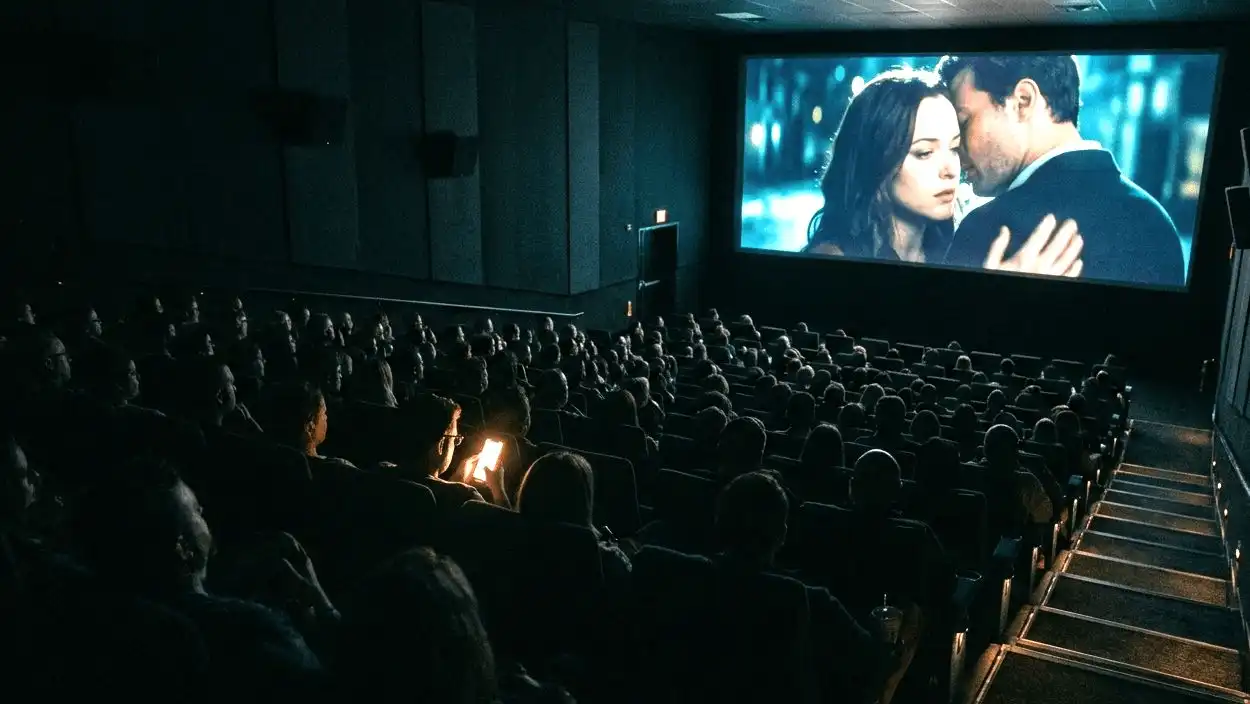
A dark movie theater from the back, audience silhouettes facing the screen, one person’s phone screen glowing brightly, standing out as a disruption.

Why Silence Feels Mandatory in Theaters A movie theater is a psychological paradox. You are surrounded by strangers, yet you have all agreed to pretend they are not there. You sit in the dark, facing the same direction, sharing an emotional experience — but any deviation from the silent, still norm triggers immediate, intense judgment. … Read more

Armrest Territorialism: The Subconscious Battle for Shared Spatial Control

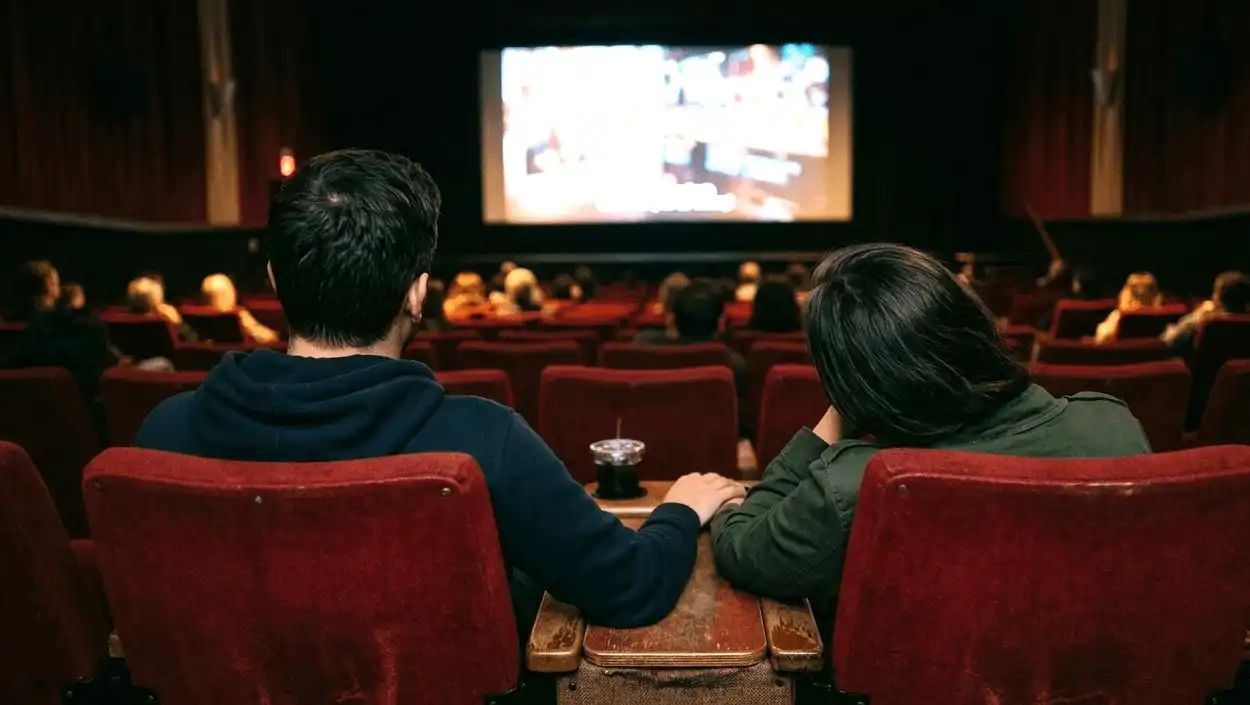
Two people sitting in movie theater seats, arms resting on the shared armrest side by side, neutral expressions, no visible tension.

Why Humans Defend Tiny Physical Spaces You settle into your movie theater seat. The trailers are playing. To your left, a stranger has already claimed the armrest — elbow planted, forearm horizontal, territory marked. To your right, the armrest is empty. For now. What happens next is not random. It is a subconscious territorial negotiation … Read more

The Spotlight Effect in Public Spaces: Overcoming the Anxiety of Being “Perceived”

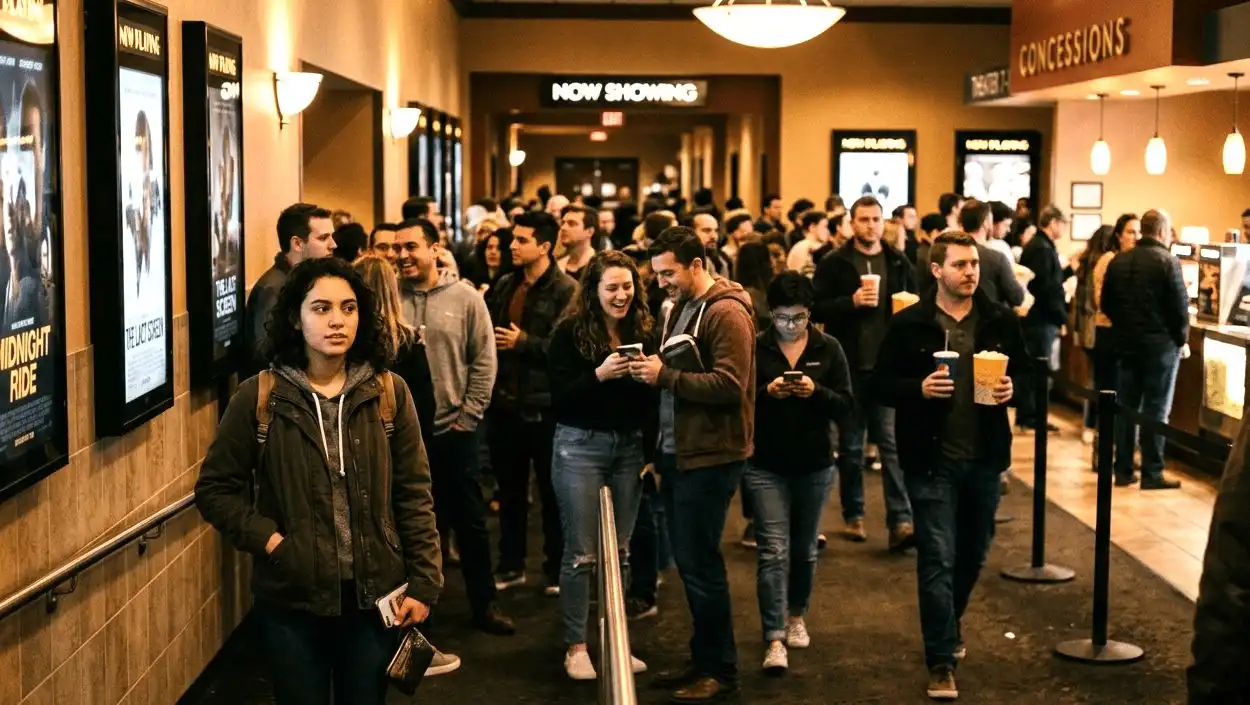
A person standing in a crowded movie theater lobby, looking around with slight self-consciousness, while others around are focused on their phones and friends.

What the Spotlight Effect Really Is You walk into a crowded theater lobby. Suddenly, you feel as if every eye is on you — watching your posture, judging your outfit, noticing that small stain on your shirt. Your cheeks warm. Your shoulders tense. You want to disappear. This is the spotlight effect: the cognitive bias … Read more

Why Turbulence Feels So Scary

Terrified airplane passenger reacting to severe turbulence during a dramatic commercial flight scene

The brain’s reaction to sudden movement, loss of control, and the cabin in motion Turbulence can turn a calm flight into a white-knuckle experience in seconds. The plane shudders, dips, and rattles. The rational mind knows the aircraft is engineered to handle it, yet the body reacts as if disaster is imminent. This isn’t overreacting. … Read more

Why Legs Shake at High Places

Cartoon illustration of a person standing on a mountain edge with shaky legs, showing anxiety and fear response at high places

The body’s protective tremor explained Standing near a high edge—a balcony, a cliff, a rooftop—and feeling your legs begin to tremble can be alarming. The mind knows the railing is solid, yet the legs seem to have their own agenda. This shaking isn’t a sign of weakness or a malfunction. It’s a clear, biological signal … Read more

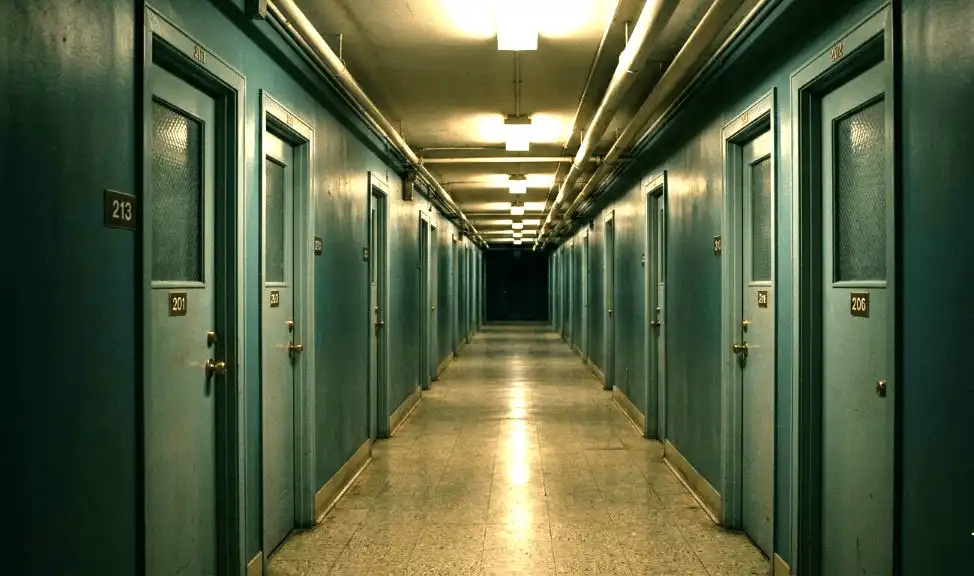
Why Empty Hallways Feel Disturbing

Long, dimly lit empty hallway that triggers unease through isolation, silence, and uncertain depth perception.

The unsettling psychology of long, silent corridors A hallway is meant to be a passage—somewhere to walk through, not to stay. Yet an empty corridor, especially one that stretches on without a visible end, can produce a quiet, creeping unease. There’s no obvious threat, no danger in sight, but the body tightens and the mind … Read more