Civil Inattention: The Psychological Art of Being Pressed Against Strangers

Extremely crowded metro train car, passengers standing shoulder to shoulder, all looking at phones or staring blankly ahead, neutral expressions, no eye contact.

Why Humans Avoid Eye Contact in Crowded Trains The metro at rush hour is a marvel of psychological adaptation. Strangers are pressed shoulder to shoulder, swaying together, breathing the same recycled air. Yet no one speaks. No one makes eye contact. Everyone pretends to be alone. This is civil inattention at its most extreme — … Read more

The Consideration Matrix: How Commute Etiquette Shapes Invisible Trust Networks

Busy metro station, passengers letting others exit the train first before boarding, calm and orderly flow, no pushing.

Why Commute Etiquette Matters More Than People Think Every day, millions of tiny decisions shape the public transit experience. Letting someone exit before boarding. Keeping the escalator left lane clear. Offering a seat to someone who needs it. These acts seem trivial — but they are the threads of an invisible trust network that holds … Read more

The Recompression Loop: Transitioning Mindsets From the Public Commute to the Private Threshold

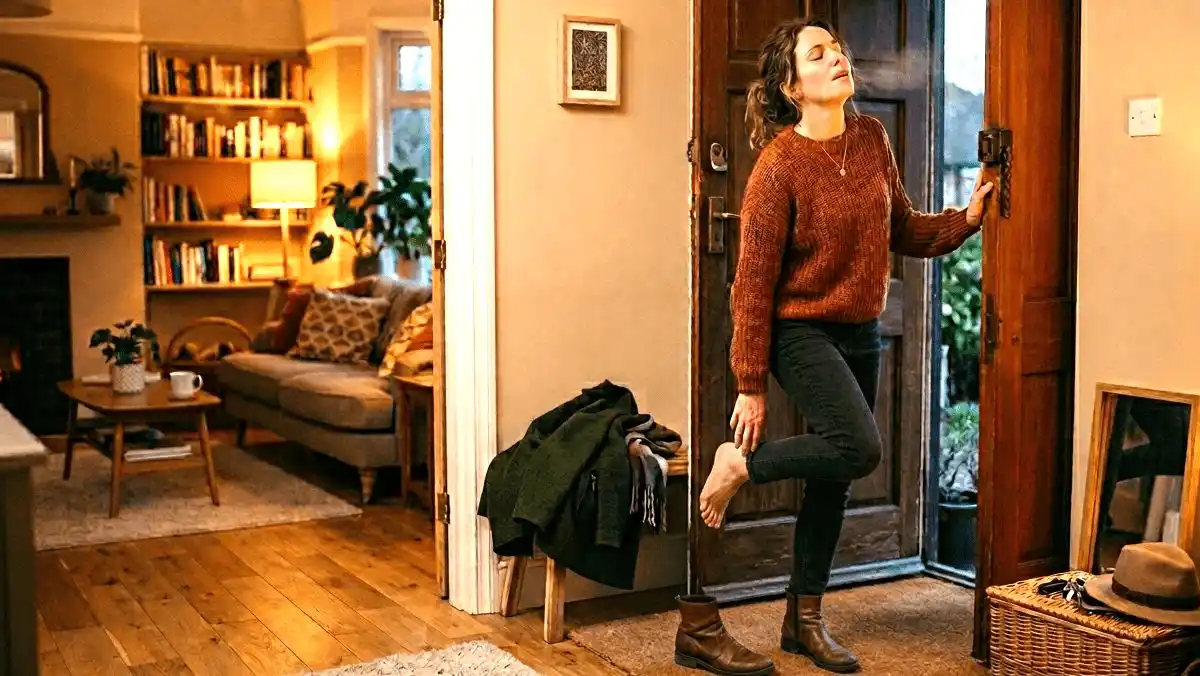
A person standing just inside their front door, taking off shoes or jacket, taking a deep breath, with a calm home interior visible beyond.

Why Commute Stress Follows You Home You walk through your front door after a long commute. The train was crowded, someone played music on speakerphone, and you stood the entire way. Now you are home — but you do not feel relieved. You feel irritable, tired, and disconnected. The stress of the commute has followed … Read more

The Fence Psychology: Negotiating Privacy vs. Community Accessibility

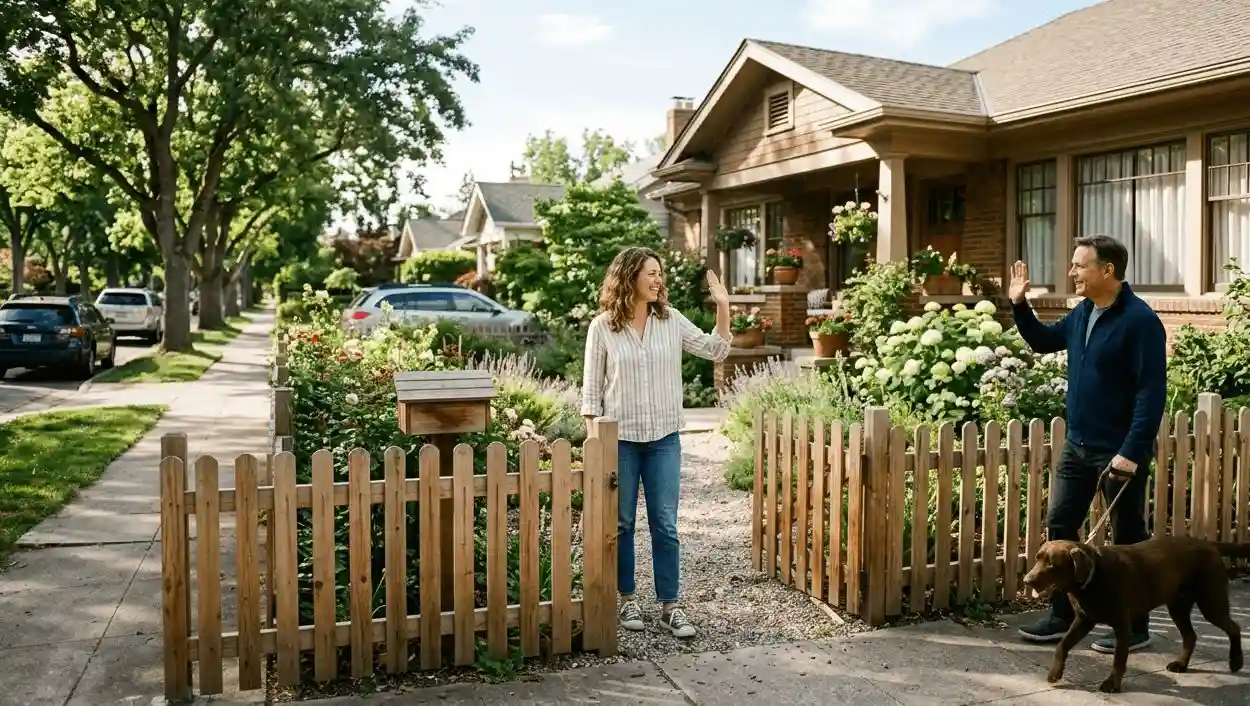
A low wooden fence with a gate, a person standing in the front yard waving to a passing neighbor, warm afternoon light.

Why Humans Need Both Privacy and Connection The fence at the edge of your property is not just wood or metal. It is a psychological statement — a negotiation between your need for sanctuary and the community’s need for connection. Too high, and you seem hostile. Too low, and you feel exposed. No fence at … Read more

The Propinquity Effect: How Repeated Glimpses Build (or Break) Neighborhood Trust

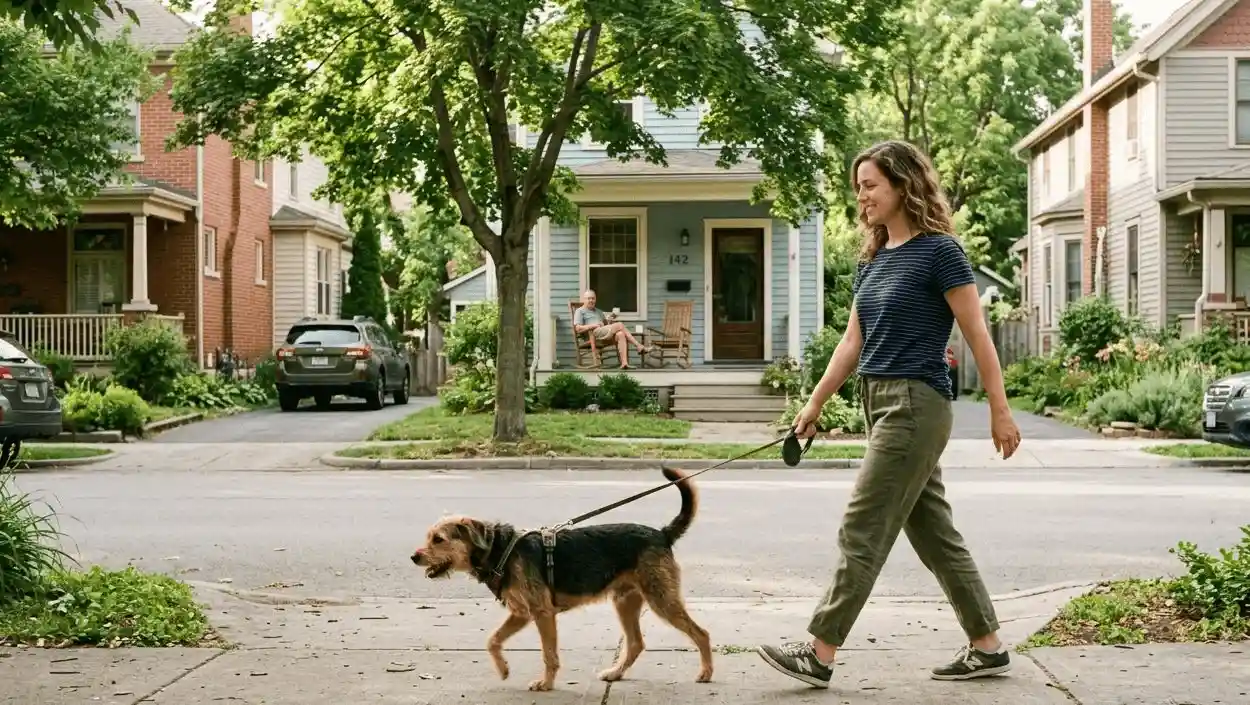
A suburban street, a person walking a dog at the same time each day, a neighbor watching from a porch, calm and familiar scene. Image Title: Propinquity Effect – How Repeated Glimpses Build (or Break) Neighborhood Trust Caption: Every wave, every walk, every routine is a vote in your neighborhood reputation. Propinquity builds trust without words.

What the Propinquity Effect Really Means Propinquity — physical or psychological proximity — is one of the most powerful forces in social psychology. The mere exposure effect, first documented by Robert Zajonc, shows that repeated, passive exposure to a stimulus increases liking for it. In neighborhoods, this means that every time a neighbor sees you … Read more

Spatial Awareness as an IQ Metric: Why Cluelessness Signals Low Social Competence

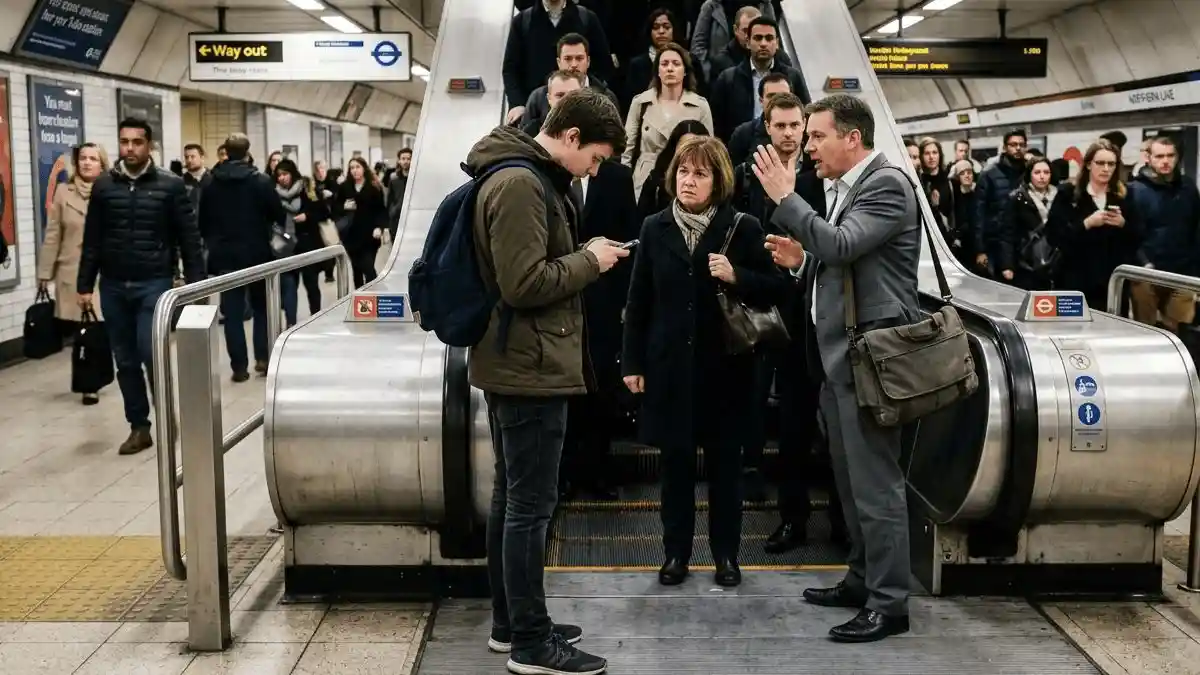
A busy transit station, one person frozen at the top of an escalator looking at a phone, causing a backup of annoyed commuters behind them.

Why Situational Awareness Feels Intelligent You have seen them: the person who stops dead at the top of an escalator, the group that blocks the entire sidewalk, the commuter who freezes in front of the turnstile while ten people queue behind. Your immediate thought is not anger — it is confusion. How can someone be … Read more

Micro-Etiquette & Social Proof: The Compound Interest of Tiny Neighborhood Habits

A residential street, a neighbor returning a trash bin from the curb, another neighbor waving from a porch, calm and tidy scene.

Why Small Habits Shape Big Opinions A wave to the mail carrier. A held gate for a neighbor with groceries. A trash bin returned from the curb before noon. These acts take three seconds. They cost nothing. Yet over months and years, they compound into a reputation that no single conversation could ever build. This … Read more

Why Empty Buildings Feel Creepy at Night

Dark empty school hallway at night with emergency exit light

Empty buildings often feel unsettling because the human brain expects indoor spaces to contain movement, sound, and human activity. A dark office hallway, abandoned mall, silent hotel corridor, or empty school at night can quickly trigger anxiety and environmental discomfort. Backrooms-style imagery amplifies these fears by combining silence, isolation, fluorescent lighting, and endless architecture into … Read more

Why Backrooms Feel Like a Dream You Can’t Escape

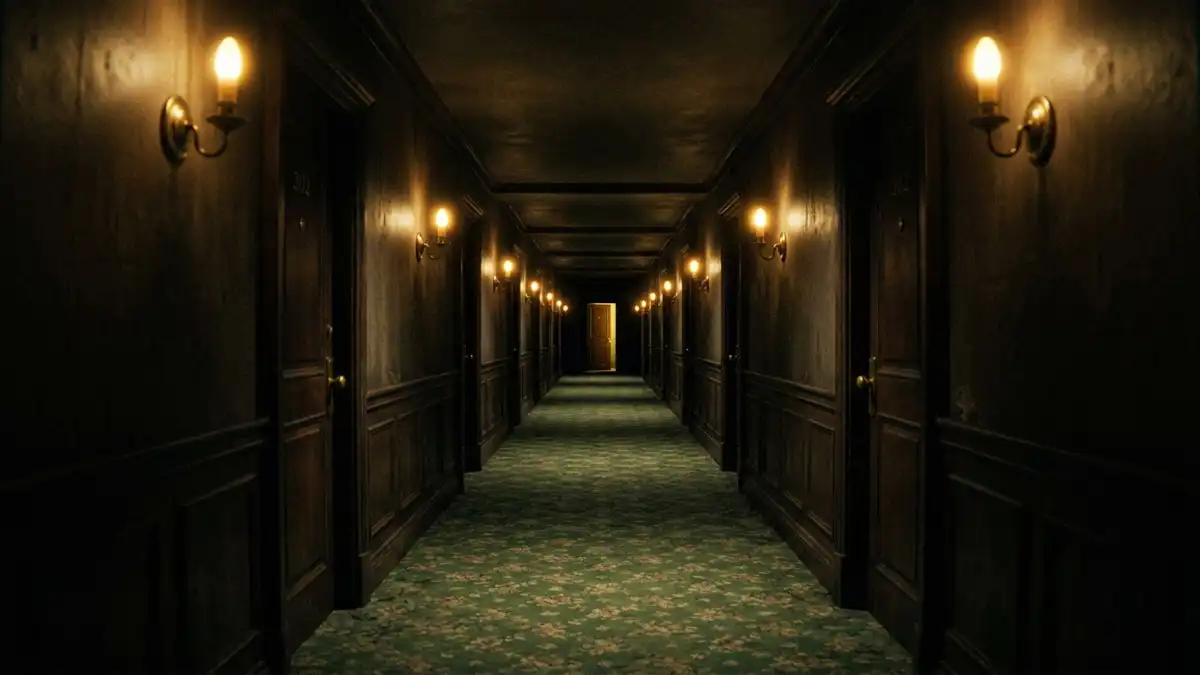
Endless green hotel hallway with repetitive doors, dreamlike atmosphere

The Backrooms feel less like traditional horror and more like a strange dream you cannot wake up from. Endless yellow hallways, repeating rooms, liminal spaces, and impossible architecture create the same confusion found in vivid dreams and nightmares. Many Backrooms images trigger feelings of false familiarity, isolation, and spatial disorientation, making the environment feel psychologically … Read more

Why Liminal Spaces Feel So Uncomfortable to Humans

Empty indoor mall with skylights, no people, liminal space psychology

Liminal spaces such as empty malls, silent school hallways, abandoned offices, hotel corridors, and Backrooms-style rooms often create a strange feeling of discomfort. These transitional environments feel familiar, yet emotionally wrong, which is why liminal space psychology has become a major internet fascination. From eerie fluorescent lighting to endless empty hallways, liminal spaces trigger uncertainty, … Read more