Why We Buy Things We Don’t Need: The Science of Consumer Psychology

A split-screen image: on the left, an open, organized closet full of clothes and shoes; on the right, a woman sitting on a bed at night looking at a fashion shopping website on her laptop.

Buying Isn’t Logical Despite thinking of ourselves as rational beings, much of our consumer behavior is subconscious. Many purchases are triggered by emotions rather than objective needs. This often stems from perception and how our brain constructs reality; we don’t see a product for what it is, but for the “feeling” we perceive it will … Read more
Social Media vs. Real Communities: Why Interaction Isn’t Always Belonging

A split-screen illustration showing a person surrounded by glowing social media icons on one side and a warm, inclusive group of people talking in a circle on the other.

Two Types of Communities At first glance, social media communities and real-life communities appear similar. Both offer shared interests, identity, and interaction. However, they function very differently. Social belonging online is often driven by visibility, while offline belonging relies on presence and mutual accountability. This distinction shapes whether we feel truly supported or “digitally surrounded … Read more

Loneliness Isn’t a Personal Failure — It’s a Community Gap

A realistic illustration of diverse adults sitting apart on individual stone blocks, focused on their glowing phones with thin light trails connecting them, symbolizing digital connection despite physical isolation.

Redefining Loneliness Loneliness is commonly misunderstood as a personal shortcoming—something that happens when people “fail” socially. In reality, loneliness is a social signal, much like hunger or pain, alerting us that our need for connection isn’t being met. Humans evolved as deeply social beings, wired for belonging and shared meaning. This is a core concept … Read more

Social Hierarchies in Animals vs Humans: Same Patterns, Different Rules

A split-screen illustration comparing a wolf's profile with a human face, representing the shared evolutionary roots of social hierarchy in environmental psychology.

The Environment of Power In environmental psychology, we study how physical and social settings influence our mental state. While studying group behavior across species, familiar patterns kept appearing. Status, leadership, and conflict weren’t unique to humans. What changed was the environment in which these hierarchies were maintained. Comparative psychology makes one thing clear: the structure … Read more

Two Minds, Two Decision Styles: What Humans Can Learn from Animals

A split-screen illustration: a deer reacting instinctively in a forest (animal) vs. a person analyzing complex data at a desk (human).

Two Minds, Two Decision Styles When faced with danger, animals rarely hesitate. A deer bolts at the faintest rustle. A bird abandons a nest if conditions turn risky. Humans, however, often freeze—mentally. We analyze, compare, doubt, and overthink. This contrast reveals two fundamentally different decision-making styles: instinctive efficiency versus cognitive complexity. Understanding how animals decide … Read more

Why Competitive Education Makes Even Good Students Feel Like Failures

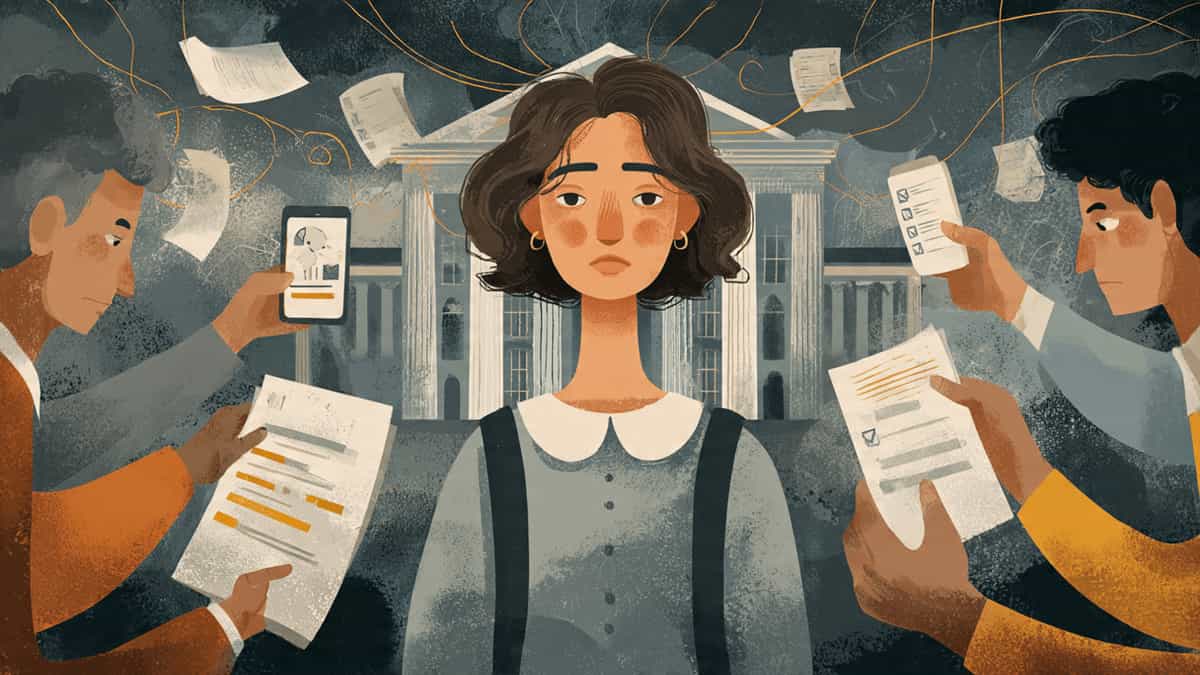
Illustration of a stressed student surrounded by hands holding rankings, exams, and smartphones, representing external validation and social comparison.

The “Quiet Panic” of High Achievers I’ve seen students who do everything right still feel like they’re losing. They attend classes, complete homework, and score above average. Yet they walk around with a quiet panic—the feeling that one wrong step will ruin their future. This isn’t a lack of discipline; it’s a byproduct of an … Read more

Why Students Feel Lost Even After Choosing the “Right” Career

A young male student with a backpack and books stands outdoors on a campus, looking at a directional signpost with four career paths: medical (pointing left), psychology (right), engineering (left), and fashion (right).

When “Right” Doesn’t Feel Right While studying student decision-making patterns, I kept hearing the same sentence in different forms: “I chose the right path, but it still doesn’t feel right.” Grades were fine, options were solid, and on paper, everything looked perfect—yet confusion remained. This gap between making a correct decision and feeling confident about … Read more

Why We Argue More Online: The Psychology Behind Digital Fights

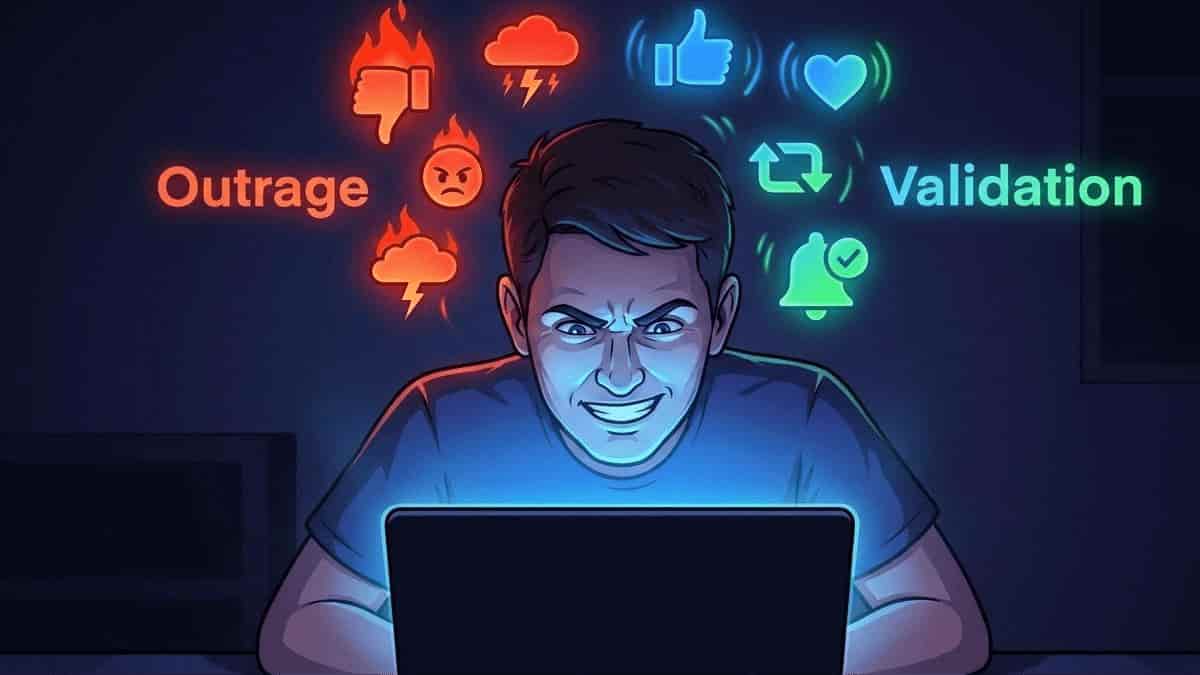
An illustration of a man intensely focused on a laptop screen in a dark room, with red icons representing Outrage (fire, angry faces) on one side and blue-green icons representing Validation (likes, hearts) on the other, depicting the psychology of online arguments and the brain's reward system.

A Small, Awkward Truth Ever notice this?The same person who won’t argue with the chaiwala about ₹5 will happily write a 7-tweet thread destroying a stranger at 2 a.m. Online arguments aren’t just more common—they’re louder, longer, and weirdly… fun. From a cyberpsychology lens, this isn’t accidental. Digital spaces quietly remove social brakes and replace … Read more

Why Humans Trust Screens More Than Real People: A Cyberpsychology Perspective

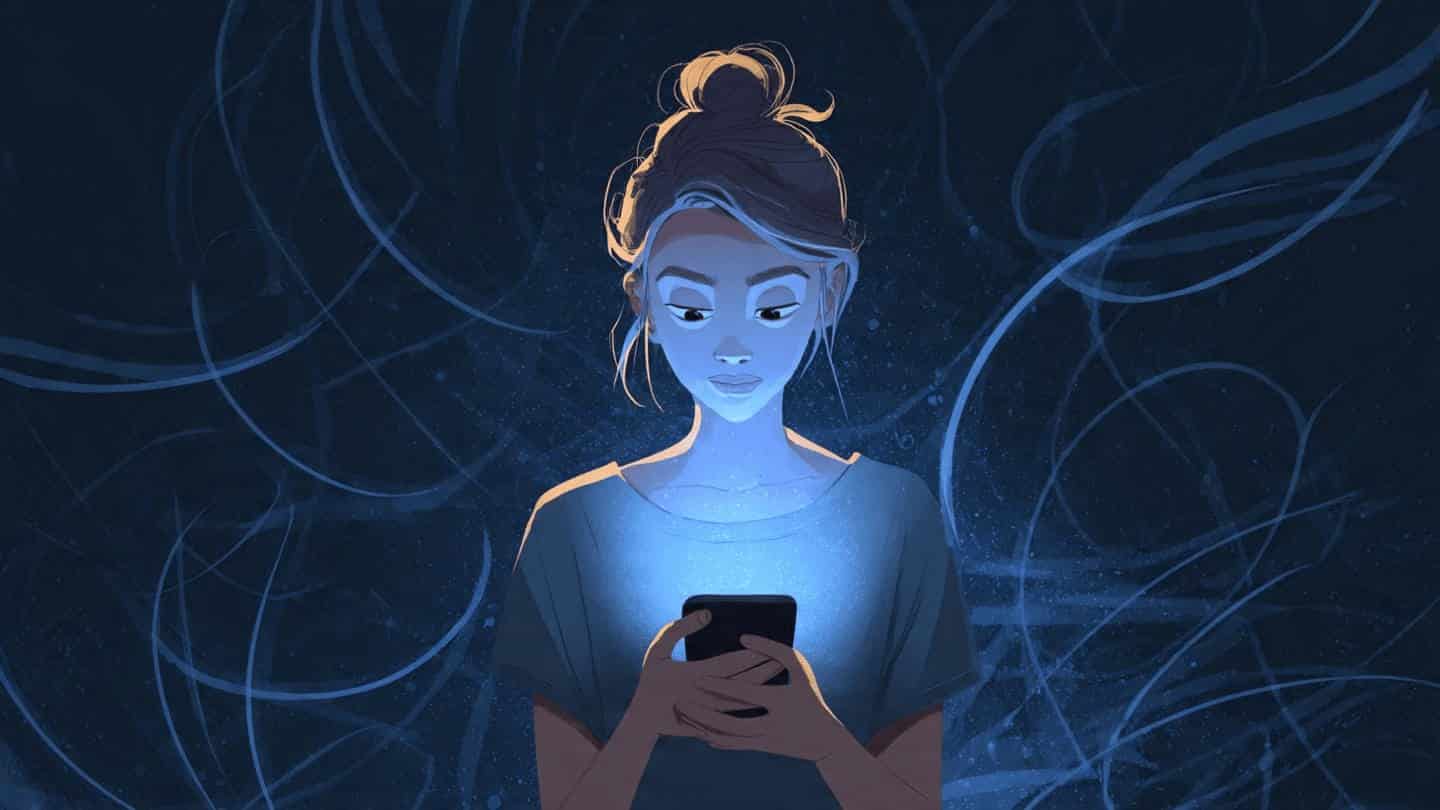
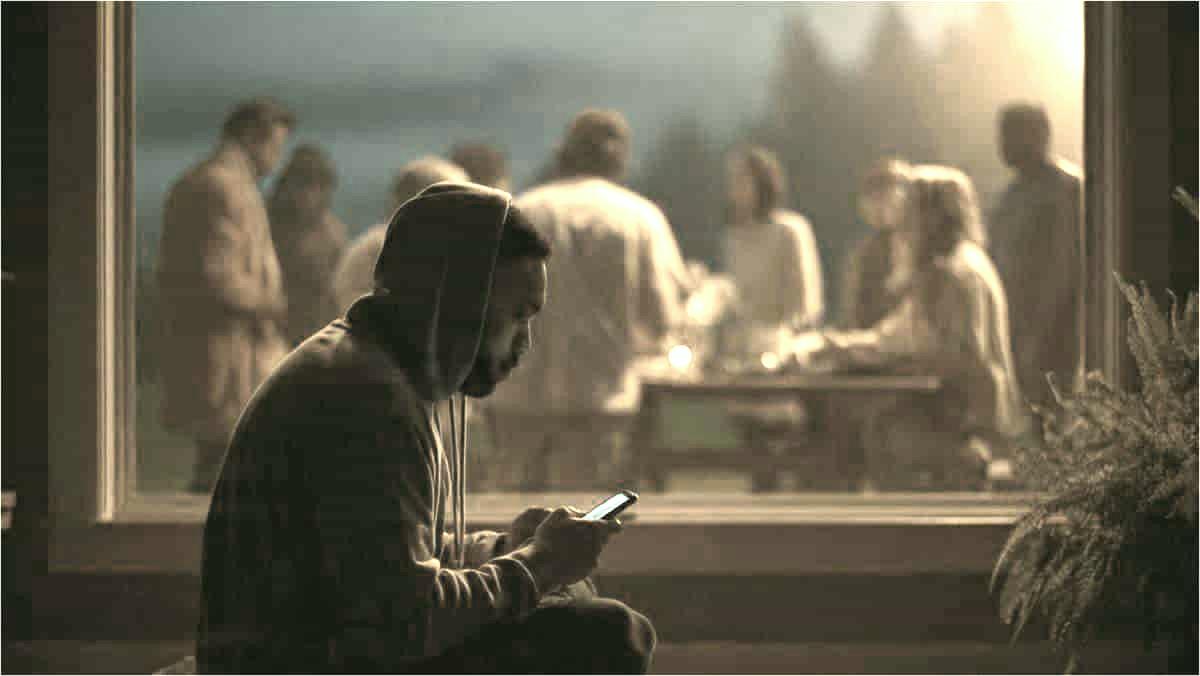
Person mesmerized by a glowing smartphone screen, illustrating digital trust and screen authority bias.

As digital interfaces become our primary windows to the world, a strange psychological pattern has emerged. We often find ourselves questioning advice from real humans while instantly trusting a notification, a search result, or a chatbot. This isn’t just about convenience; it’s a fundamental shift in how the human brain evaluates truth. In the field … Read more

The Illusion of Self-Control: Why Willpower Fails and Systems Win

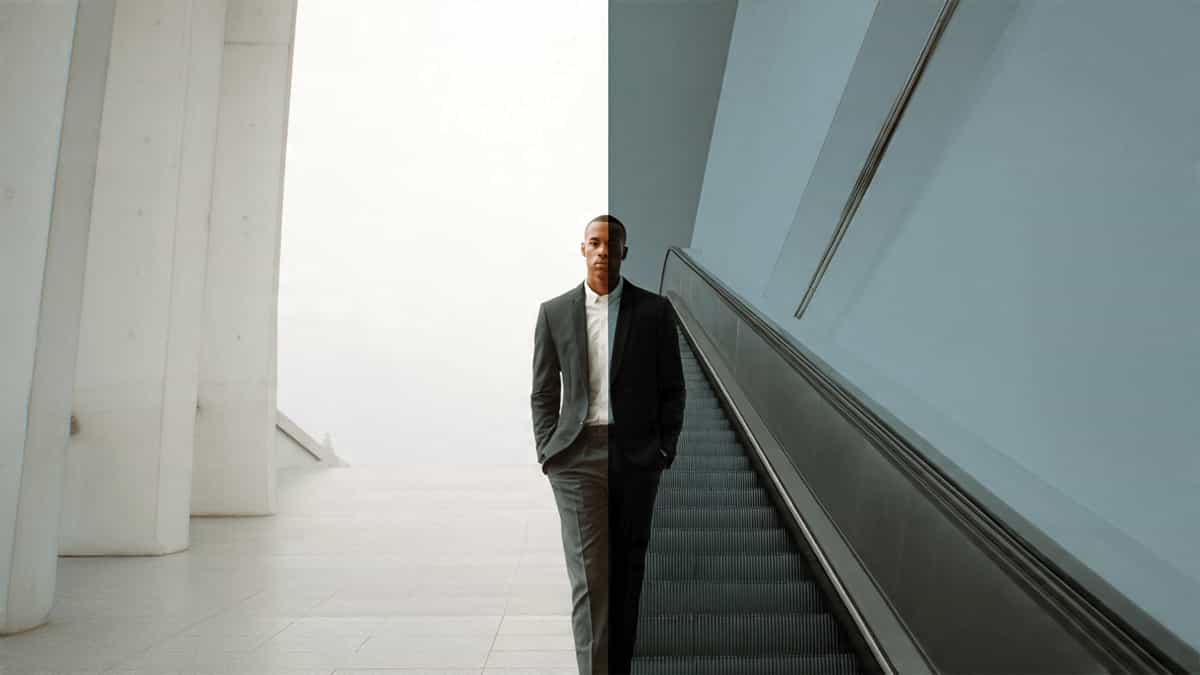
A man standing on a split-screen background, one side dark representing effort and the other bright representing ease, symbolizing the choice between willpower and systems.

We’ve been sold a powerful myth: that success and discipline are the results of sheer willpower. We are told that to eat healthier, work smarter, or break bad habits, we simply need to “try harder.” Yet the evidence—and our lived experience—tells a different story. The answer to lasting change isn’t a lack of character, but … Read more