The Hero Archetype – Proving Worth Through Courage, Strength & Achievement (Jungian Psychology)

A determined young woman standing on a mountain peak at sunrise, holding a small flag, representing the Hero archetype's drive for mastery and achievement

📌 Quick Summary Aspect Description Core Desire Mastery & Success Core Fear Weakness / Being Powerless Key Strength Courage & Discipline Key Weakness Burnout & Ego Behavior Style Seeks Challenges, Leads Shadow Side Toxic Competitiveness, Self-Worth = Success The Hero Archetype Have you ever met someone who runs toward problems instead of away from them? … Read more


The Everyman Archetype – The Need to Belong, Connect & Fit In (Jungian Archetype Explained)

A diverse group of friends sitting in a circle outdoors, laughing and talking, representing the Everyman archetype's need to belong and connect

The Everyman Archetype Have you ever met someone who easily fits into any group? Someone who says “we” more than “I” and genuinely hates being left out? That is The Everyman Archetype. In Jungian psychology, the Everyman (also called the “Regular Guy/Girl”) represents our deep need to belong, connect, and be accepted by others. Unlike … Read more

The Innocent Archetype – Seeking Safety, Happiness & a Perfect World (Jungian Psychology Explained)

A calm person standing in a sunlit meadow holding a white flower, representing the innocent archetype's search for safety and happiness

📌 Quick Summary The Innocent Archetype Have you ever met someone who always sees the glass as half full? Someone who genuinely believes people are good, life is fair, and everything will work out in the end? If so, you’ve likely encountered The Innocent Archetype. In Jungian psychology, archetypes are universal patterns of behavior and … Read more

RPG Games and Identity Psychology – Why Role-Playing Games Feel So Personal

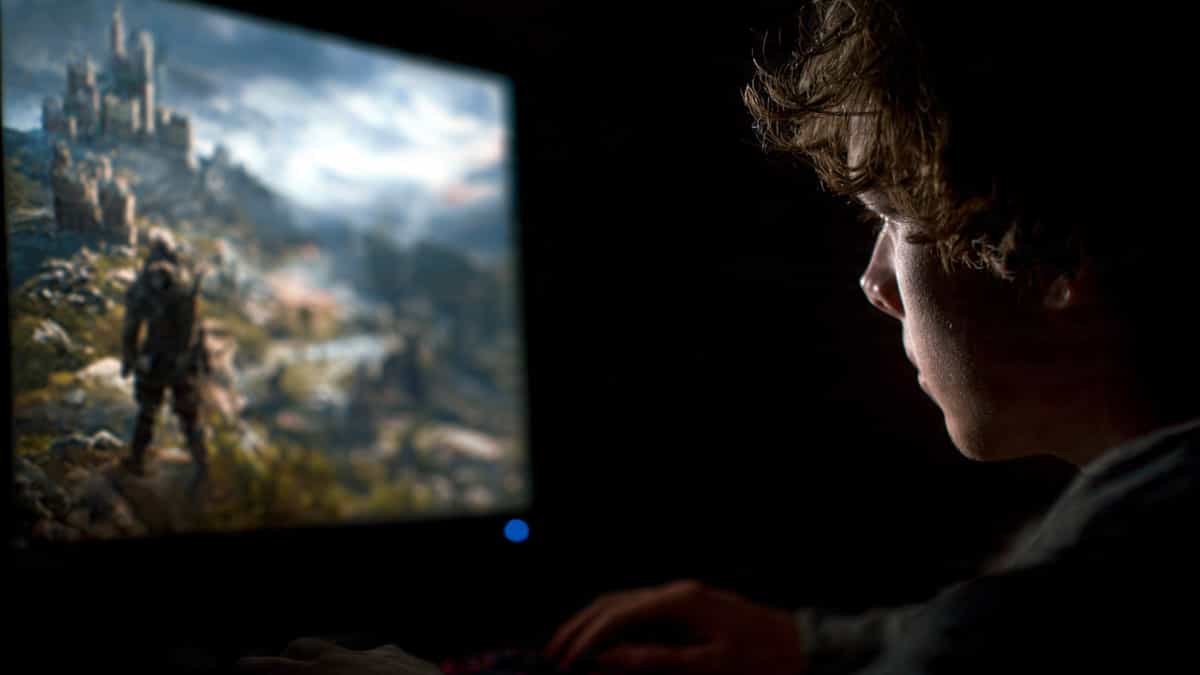
A calm person sits in a dark room looking at a game screen showing a fantasy RPG character standing on a hill overlooking a distant castle. The screen glow softly lights their face. Represents how RPG games let players become someone else and explore identity.

Role-playing games, commonly known as RPGs, are very different from most other types of games. In racing games, you control a car. In shooter games, you complete missions. In strategy games, you manage resources. But in RPG games, you don’t just control a character — you become someone. And that is where psychology comes in. … Read more

Violence in Games – Stress Relief or Problem? (Cyberpunk & GTA Psychology)

A relaxed person sits on a couch holding a game controller. Two TV screens show paused scenes from a cyberpunk game and a GTA game. Soft blue and orange lighting. Represents the psychological question of whether game violence is stress relief or a problem.

Video game violence has been debated for decades. Some people believe violent games increase aggression, while others believe they actually reduce stress by giving players a safe way to release frustration. The truth is more complicated. Violence in games is not just about shooting, fighting, or destruction — it is about control, emotion, and psychological … Read more

Why Gamers Love Anti-Hero Characters in Cyberpunk Worlds

A gamer's hands hold a controller glowing with neon blue and pink light in a dark messy room. Johnny Silverhand's shadow is reflected on the wall. A paused cyberpunk game is visible on screen. Represents why gamers prefer flawed honest anti-heroes over perfect heroes.

Not too long ago, gaming heroes were simple. You knew who the good guy was, who the bad guy was, and what needed to be done. But things have changed. Today, especially in Cyberpunk games, players are drawn toward characters who don’t fit the traditional “hero” mold. They are flawed, unpredictable, sometimes selfish, sometimes noble … Read more

Cyberpunk World vs Real World – A Psychological Comparison

Split image showing real world city vs cyberpunk neon city representing psychological differences in freedom, identity and control

At first glance, comparing a cyberpunk world to the real world sounds like comparing fiction to reality. One is full of neon lights, megacities, cybernetic implants, and powerful corporations. The other is office jobs, traffic, bills, and daily routines. But psychologically, the comparison is not as simple as fiction vs reality. In many ways, cyberpunk … Read more

Why Cyberpunk Worlds Feel More Real Than Real Life

Person walking alone in a neon cyberpunk street at night with rain reflections showing immersive virtual world experience

When people walk through a city in real life, most of what they see becomes invisible. Same roads, same buildings, same routines, same predictable days. But when the same person walks through a cyberpunk city — neon lights reflecting on wet streets, distant sirens, giant holographic ads, strangers with mysterious stories — suddenly everything feels … Read more

Why Self-Actualization Is Harder Than It Sounds: The Psychology of Potential

A split-view image showing a tired, discouraged student sitting at a messy desk with "Failed" test papers, looking at a glowing holographic projection of her future self as a successful, smiling doctor.

We’ve all felt the whisper of potential. That quiet voice suggesting we are capable of more—more creativity, more impact, more peace, more life. We call this journey “self-actualization.” It sounds like the ultimate life hack: become the best version of yourself, unlock your latent talents, and live a life of purpose and fulfillment. It sounds, … Read more