The “Nihilist Penguin” Effect: Why a Lonely Penguin Became the Internet’s Mascot for Modern Melancholy

A solitary Adélie penguin trudging through deep snow on a vast Antarctic plain, leaving a trail of footprints as it walks away from a large colony toward distant, misty blue mountains.

The Silent Clip That Spoke Volumes Every so often, the internet unites around a moment of unexpected beauty. This time, it wasn’t a celebrity cameo or a political meme, but a simple clip of a penguin. In the now-viral video, a single penguin peels away from its massive colony on the icy plains of Antarctica. … Read more

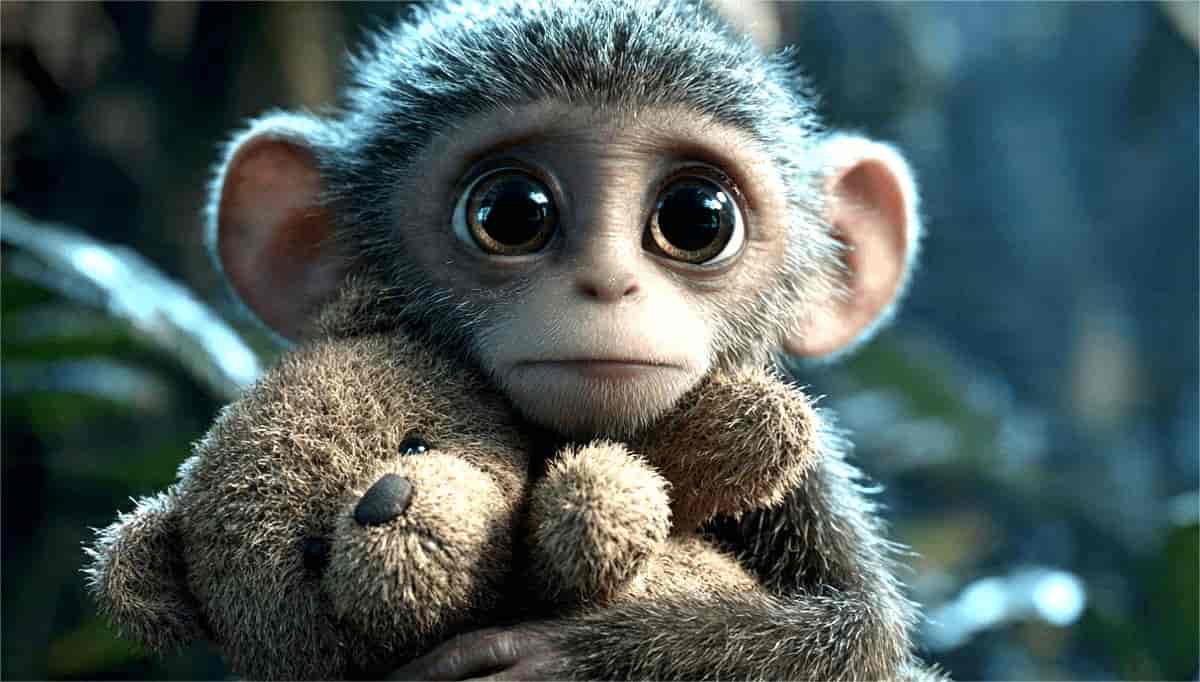
The Psychology Behind the Viral Punch Monkey Story

A realistic 3D-animated baby monkey with large, expressive eyes looking sad while tightly hugging a brown teddy bear in a jungle setting.

Every once in a while, a simple internet story captures the emotions of millions. The viral “Punch Monkey” story is one of those rare examples. At first glance, it is a short emotional cartoon: a small baby monkey finds himself alone in the jungle after being separated from his mother. Lost and frightened, he discovers … Read more

Why Memory Is Less Reliable Than You Think

woman looking at an old photograph while trying to recall a memory

We often treat our memory like a personal video camera, faithfully recording every moment of our lives to be played back with perfect accuracy. We stake our identities, our arguments, and even our justice system on its truthfulness. But what if that fundamental assumption is wrong? The closer we look at the science of memory, … Read more

Why Introverts and Extroverts Think Differently: The Science of Cognitive Style

A visually striking split-concept illustration of a person's head. The left side is bathed in warm orange light with floating books and speech bubbles, representing extroverted social engagement. The right side is cool blue with a glowing, structured brain and analytical lines, representing introverted internal processing.

While observing conversations in group settings, I noticed a consistent contrast. Some people processed ideas aloud, refining thoughts as they spoke. Others stayed quiet, preferring to think deeply before responding. This wasn’t about confidence or intelligence—it was about cognitive style. Personality psychology suggests that introverts and extroverts don’t just behave differently; they often process information … Read more

Why Discipline Fails Even With Strong Motivation

A conceptual illustration of a man standing at a crossroads. The left path is bright and sunny with a sign that says "MOTIVATION," while the right path is cluttered with a desk, books, a clock, and floating social media icons, representing the obstacles that cause discipline to fail.

While observing people set ambitious goals—fitness plans, study routines, and productivity systems—a frustrating pattern emerges. Motivation is high in the beginning. Intentions are clear. Yet, discipline slowly collapses. This isn’t a character flaw. Behavioral psychology shows that discipline fails not because motivation disappears, but because behavior depends more on environment, reinforcement, and habit structure than … Read more

Why Social Pressure Is Harder to Resist Than You Think: The Science of Belonging

A clean, expressive cartoon illustration of a diverse line of people standing in a row. They exhibit various body languages—some with arms crossed, some looking down, and others looking forward—symbolizing the subtle influence of social pressure and the psychology of group belonging.

While observing everyday decisions—career choices, lifestyle trends, and opinions expressed online—a recurring pattern emerges. People often believe they are acting independently, yet their choices closely mirror those around them. Social pressure doesn’t always look dramatic. It can be subtle, polite, even invisible. Social psychology shows that resisting group influence is far more difficult than we … Read more

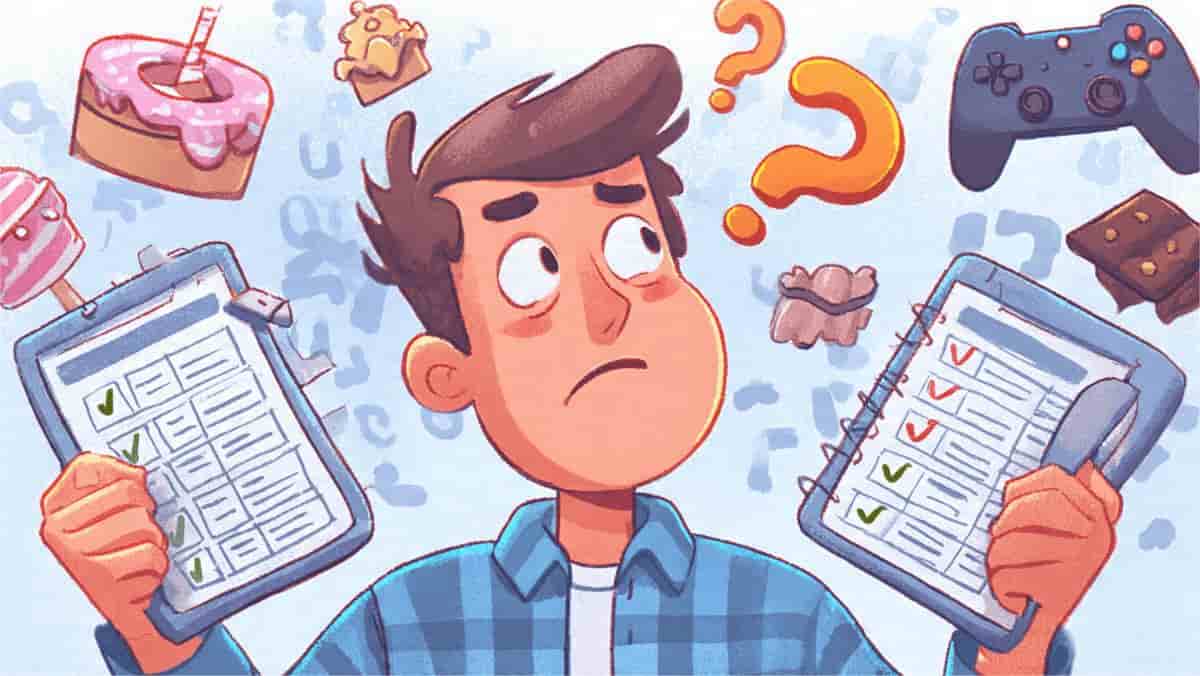
Why Do We Make Irrational Decisions So Often? The Science of Predictable Errors

A bright, engaging cartoon of a confused man holding two competing checklists on clipboards. Around him float tempting distractions like a donut, a video game controller, and chocolate, representing the psychological struggle of making rational choices.

While observing everyday choices—career moves, financial risks, arguments, and impulsive purchases—one pattern becomes clear: even intelligent, well-informed people repeatedly make decisions that don’t align with logic. The issue isn’t a lack of intelligence. It is that human decision-making is deeply influenced by emotion, bias, memory, and context. Cognitive psychology reveals that irrational decisions are not … Read more