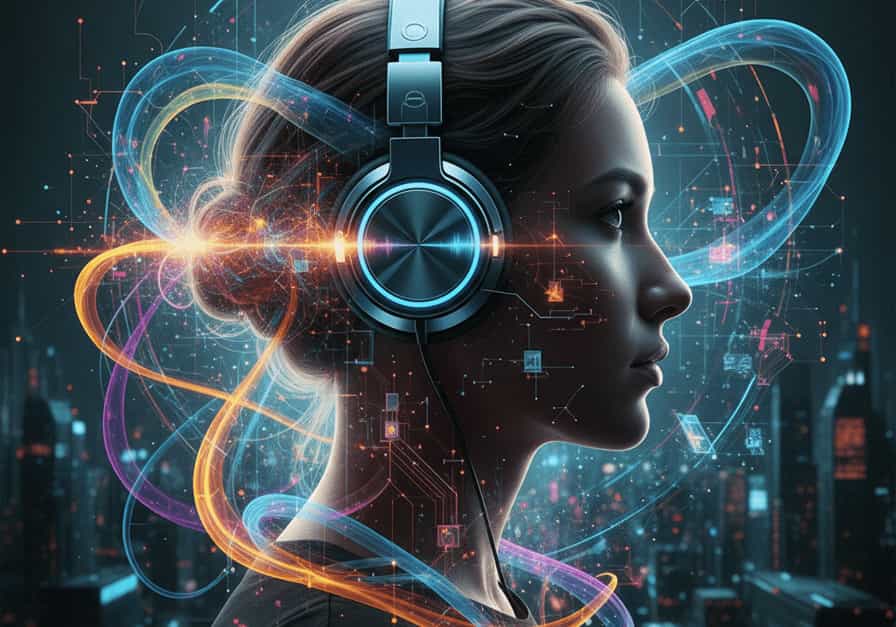
“Bipolar disorder isn’t a battle — it’s a rhythm. Every scroll, every click, every pause can tip the balance. Learn to ride the highs, navigate the lows, and reclaim your calm in a world that never stops buzzing.”
Article Index-
KEY TAKEAWAYS
- Digital habits heavily influence the intensity and frequency of bipolar mood swings.
- Late-night screen usage triggers sleep loss, directly disrupting circadian rhythms.
- Social media creates feedback loops: hypomania increases posting, while depression prompts social withdrawal.
- A combination of professional care (therapy/medication) and digital boundary-setting is essential for stability.
What Is Bipolar Disorder — and Why Does It Matter Now?
Bipolar disorder is a long-term mental health condition marked by extreme mood swings — emotional highs (mania or hypomania) and lows (depression). It affects approximately 1 in 50 adults in the UK and nearly 5.7 million people in the US.
The disorder exists on a spectrum:
Bipolar I: Severe manic episodes with depressive phases.
Bipolar II: Hypomanic episodes with deeper depressive phases.
Cyclothymia: Mild hypomanic and depressive symptoms lasting for at least two years.
Manic episodes bring high energy, racing thoughts, and impulsive decisions. Depressive episodes may cause exhaustion, low motivation, and difficulties with concentration.
Even with advanced treatments, digital habits and online engagement now play a key role in how symptoms manifest and are managed.
The Psychology of the Digital World
Platforms are designed to engage—often by tapping into comparison, validation-seeking, and FOMO (fear of missing out). For someone with bipolar sensitivity, this dopamine-driven cycle can intensify highs and deepen lows.
The digital age is actively reshaping how bipolar disorder expresses itself, from emotional patterns to social identity.The constant social evaluation and curated perfection online can distort self-image and trigger episodes. The digital age is changing how bipolar disorder expresses itself, making digital literacy an essential component of modern mental health care.
Social Media: A Double-Edged Sword
There’s no denying the benefits: social platforms offer community, emotional support, and a profound sense of belonging. For those navigating the isolating waves of bipolar disorder, finding others who “get it” can be life-changing. Support groups, educational pages, and affirming communities flourish online, providing real-time empathy and resources.
However, the darker side is equally potent. Negativity, trolling, comparison culture, and pervasive stigma can worsen anxiety, fuel self-doubt, and deepen depressive phases. The very spaces meant to connect us can sometimes make us feel more alone and inadequate.
BENEFITS
- ✓ 24/7 access to peer support groups and shared experiences
- ✓ Mood-tracking tools and digital wellness apps
- ✓ Validation and reduced isolation through online communities
DRAWBACKS
- ✕ Dopamine-driven design can fuel hypomanic impulsivity
- ✕ Algorithm loops and toxic comparison worsen depressive lows
- ✕ Blue light disrupts critical circadian sleep patterns
The Digital Dilemma: Social Media and Mood Swings
Social media rewards intensity. Likes, comments, and dopamine surges mimic some of the same reward pathways triggered during mania. A late-night post can spiral into hours of “researching possibilities,” sleep slips away, and the cycle restarts.
Research Findings
Instagram Study (2023): Analysis of 500 posts with #bipolar and #bipolarAwareness hashtags found most posts were incomplete or inaccurate. Only 5% originated from medical professionals, highlighting the need for reliable information online.
YouTube Study (2025): Research on bipolar disorder portrayals on YouTube showed many narratives lacked context, potentially shaping viewers’ perceptions incorrectly.
Fitness Tracker Study (2024): Researchers demonstrated that wearable device data could accurately detect mood episodes, aiding early intervention for people with bipolar disorder.
Expert Insights
Dr. Emma Jones, Consultant Psychiatrist, UK:
“Social media can amplify the symptoms of bipolar disorder. During hypomanic episodes, the desire for online interaction can fuel impulsive behaviours, while depressive phases may lead to withdrawal. Monitoring digital habits is critical for mood stability.”
Dr. Rajesh Kapoor, Clinical Psychologist, US:
“Digital tools can be both a risk and a resource. When guided carefully, apps and online communities can help track moods, detect early warning signs, and reduce isolation — all of which support treatment.”
Case Study: Maya’s Digital Experience
Maya, 28, Bipolar II
“When I’m hypomanic, I start multiple conversations at once — it feels like everyone is online with me. When I’m depressed, I delete everything.”
Maya’s experience highlights a common pattern: online engagement can amplify highs, while withdrawal during lows can worsen isolation. Social media itself isn’t the problem; it’s how it interacts with fluctuating moods.
Screen Time & Disrupted Sleep: Hidden Triggers
The connection between sleep and bipolar stability is well-established. What’s less obvious is how our devices undermine it. Late-night scrolling disrupts circadian rhythms, and unstable sleep is one of the most potent triggers for both manic and depressive episodes.
Compounding this are irregular routines fueled by screen time—staying indoors, missing sunlight, and living sedentarily. This trifecta doesn’t just disrupt sleep; it worsens overall emotional instability. Understanding the psychology of sleep and routine is fundamental to management.
The Habit Loop: Sleep, Screens, and Stability
Routine isn’t boring — it’s medicine. Disrupted sleep and irregular rhythms are powerful triggers for mood episodes. That’s why Interpersonal and Social Rhythm Therapy (IPSRT) focuses on stabilising daily routines: sleep, meals, activity, and light exposure.
In the digital world, these rhythms face constant challenges:
Late-night scrolling delays sleep and disrupts circadian cycles.
Blue light exposure suppresses melatonin, worsening insomnia.
Online arguments or news spirals heighten anxiety just before bed.
The cycle is relentless: less sleep → higher reactivity → stronger mood swings → even less sleep.
Treatment and Support: The Cornerstone of Stability
No lifestyle hack replaces professional care. Mood stabilisers, such as lithium, and therapies like CBT or IPSRT are essential. Support systems — both professional and personal — remain the cornerstone of stability, shaping the lived experience of the disorder.
Balancing digital life, daily routines, and treatment strategies together creates the most reliable path toward wellness.
Navigating the Digital Landscape
Digital spaces aren’t all doom. Online peer communities and therapy apps can provide vital lifelines. The key is pacing and purpose — are you using the feed, or is it using you?
Maya’s experience, combined with expert advice, underscores the importance of mindful digital engagement: using apps and online tools to track moods, detect triggers, and connect without letting technology amplify extremes.
EXPERT STRATEGIES FOR DIGITAL BALANCE
- ✓ Establish a strict digital curfew at least 60 minutes before bed.
- ✓ Turn off non-essential notifications to minimize dopamine spikes.
- ✓ Use app blockers during manic or hypomanic phases to avoid impulsive posting.
- ✓ Rely on validated health sources and professional platforms over viral social media advice.
The Core Message
The digital world doesn’t cause bipolar disorder, but it powerfully shapes how the highs rise, how the lows deepen, and how rapidly moods can shift. By fostering awareness and implementing healthy digital habits—complemented by professional guidance like types of therapy—individuals can navigate these spaces more safely. The goal isn’t to disconnect entirely, but to engage in a way that promotes stability and well-being, turning a potential trigger into a tool for support and self-understanding.
If you or someone you know is struggling with mood disorders, consider reaching out to a mental health professional. For more on managing mental health in modern life, explore our resources on stress and the mind-body connection and building resilience through challenging times.
Disclaimer:
This article is for informational purposes and is not a substitute for professional medical advice, diagnosis, or treatment. If you or someone you know is struggling with mood symptoms, please contact a qualified mental health professional.
Explore More on Mental Health & Habits:
- Understanding the Mind-Body Connection in Stress
- The Role of Sleep and Routine in Mental Health
- Building Resilience Through Challenging Times
Support Systems: UK vs US
UK: Campaigns like Time to Change and Mind raise awareness, but NHS specialist services vary by postcode, often leading people to rely on digital resources and third-sector organisations.
US: Telehealth has improved access, yet financial barriers and inconsistent care remain challenges. Awareness is high, but quality of care is not uniform.
Across both countries, the challenge remains: staying connected online without letting digital life dictate mood swings.
When to Ask for Help
Seek help immediately if you or someone you know shows clear behavioural changes:
- Severe sleep reduction (functioning on 2–3 hours for several nights) with high energy or rapid speech.
- Uncharacteristic, risky behaviour such as reckless spending or unsafe sexual activity.
- Prolonged withdrawal or hopelessness, affecting self-care and communication.
UK Helplines:
- Mind: 0300 123 3393
- Samaritans: 116 123
US Helplines:
- 988 Suicide & Crisis Lifeline (24/7)
Note: This article is for educational purposes only and does not constitute professional clinical advice.
FAQs
How does social media affect bipolar disorder?
Social media triggers dopamine reward pathways that can intensify hypomanic or manic phases, leading to over-posting or impulsive behavior. Conversely, doomscrolling and toxic social comparison can deepen depressive episodes.
Can late-night screen time trigger a manic episode?
Yes. Blue light suppresses melatonin production and delays sleep onset. Unstable circadian rhythms and severe sleep deprivation are primary environmental triggers for both manic and hypomanic states.
What is Interpersonal and Social Rhythm Therapy (IPSRT)?
IPSRT is an evidence-based psychotherapy designed to help individuals with bipolar disorder stabilize daily routines—such as sleep schedules, meal times, and social exposure—to reduce mood volatility.