Why Do People Have Such Different Personalities?

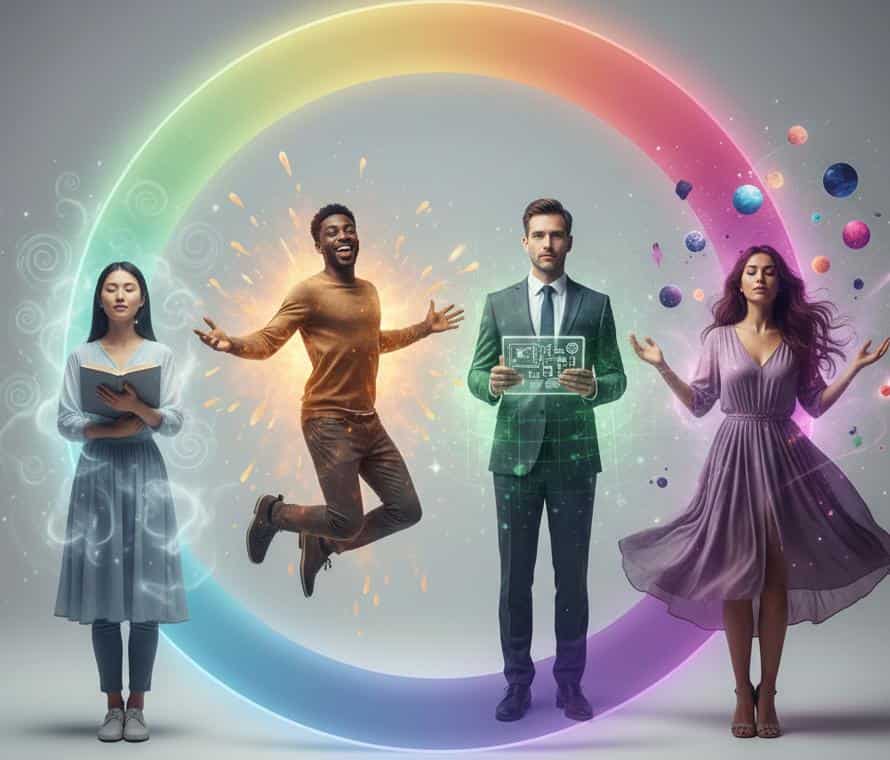
Group of individuals showing varied expressions and body language, representing personality differences

Same world. Same species. Same basic human hardware. Yet one person thrives at loud parties while another needs silence to recharge. One wakes up at 5 AM to plan their week; another flows spontaneously. One feels deeply wounded by a critical comment; another shrugs and moves on. Why? The answer is surprisingly complex—a dance between … Read more

Nature vs Nurture: How Geography, Culture, Parenting & Life Experiences Shape Human Behaviour

Three mothers nurturing their children in different world environments — snowy Mongolia, dry rural Texas, and tropical Kerala — showing how geography, climate, and culture shape nurturing.

For decades, psychology revolved around a single fundamental question — are we shaped more by our genes, or by the environment we grow up in? This debate, often framed as “Nature vs Nurture,” assumed one side had to dominate the other. But modern psychological science has moved far beyond that binary view. Today, research shows … Read more

Personality Types — Why People Think, Feel, and Act So Differently

Four diverse figures standing side-by-side, each surrounded by a different colored aura and symbol: A woman in teal with a lotus symbol (Serenity/Calm). A man in brown with a flame symbol (Passion/Energy). A woman in a business suit with a gear/circuit symbol (Logic/Structure). A man in a mystic robe with an all-seeing eye symbol (Intuition/Vision).

Why do some people thrive in a crowd while others recharge in quiet corners? Why do deadlines energize some and overwhelm others? From ancient astrologers charting the stars to modern apps predicting our online habits, humans have always sought to understand these patterns. Personality psychology turns curiosity into insight. It gives structure to the age-old … Read more

All 12 Jungian Archetypes: Which One Are You & Why It Matters

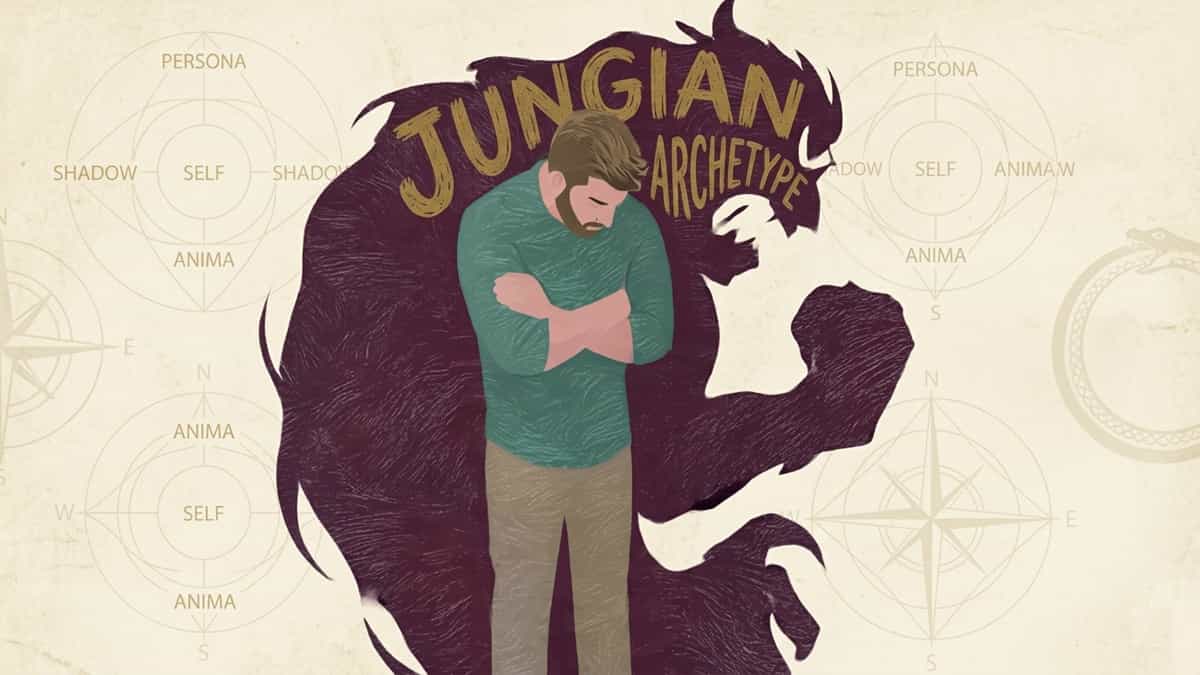
Illustration of a man with his arms crossed, casting a large, menacing, monster-like Shadow behind him, representing the repressed unconscious.

Carl Jung’s archetypes are universal patterns of thought and imagery that exist in what he called the collective unconscious—a shared, inherited layer of the human mind. Think of them as psychic blueprints for the roles, symbols, and stories that repeat across cultures and history. They aren’t literal images, but deep, inborn predispositions that shape how … Read more

Big 5 Personality Traits (OCEAN) — What They Mean and How They Shape You

Big 5 Five OCEAN personality traits illustration showing five human silhouettes representing openness, conscientiousness, extraversion, agreeableness, and neuroticism.

The Big Five, also known as OCEAN (big 5 personality traits ocean), is the most widely accepted and researched model in personality psychology. It breaks personality into five broad dimensions, each existing on a continuum from low to high. Understanding these traits helps explain behaviour, preferences, decision-making, and interactions in everyday life. By recognising your … Read more