The Non-Conformity Paradox: Why Dressing Slightly Different Can Actually Boost Your Authority

A person in a professional setting wearing a slightly different outfit than others — standing out confidently but not extremely.

Why Standing Out Attracts Attention Conformity signals safety. Non-conformity signals confidence — but only up to a point. The human brain pays more attention to deviation from the norm because deviation could indicate threat, opportunity, or leadership. In a group of ten people wearing navy suits, the one person wearing a charcoal suit with a … Read more

The Status Signal: How Clothing Triggers Instant Assumptions About Wealth and Class

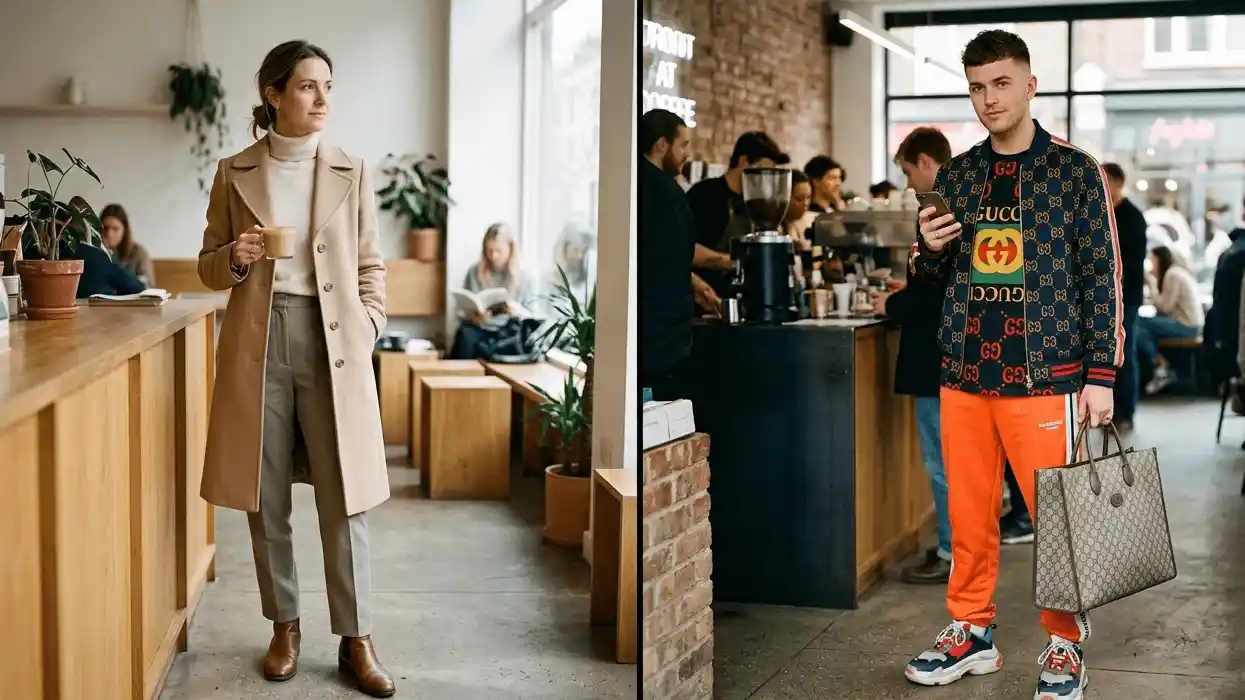
Two people in different styles of clothing — one in quiet luxury, one in loud branding — representing status signals.

Why Clothing Signals Social Status Humans have used clothing as a status marker for over 5,000 years. In ancient Rome, purple robes were legally reserved for emperors. In medieval Europe, sumptuary laws dictated which fabrics commoners could wear. Today, no laws exist — but the psychology remains identical. Your brain is wired to detect resource … Read more

The “Halo Effect” in Fashion: Why Your Outfit Decides the First 7 Seconds of an Encounter

A well-dressed person entering a room, capturing the first 7 seconds of attention and judgment.

Why Humans Judge Clothing Instantly The human brain requires approximately seven seconds to form a first impression. Within that window, clothing accounts for more than half of the judgment. This isn’t superficial. It’s survival wiring. Your visual cortex processes clothing faster than facial expressions because fabric patterns, fit, and color carry evolutionary signals — safety, … Read more

Why “Cockroach Janta Party” Exploded Among Gen Z: The Psychology Behind India’s Internet Swarm

Massive Gen Z protest-style crowd with a symbolic cockroach mascot representing internet movement psychology and social media-driven youth culture in India.

India’s internet has seen trends before. Meme pages rise every week. Political hashtags trend every election. Viral reels come and go every day. But what happened with “Cockroach Janta Party” felt different. Within just a few days, a satirical internet movement built around a cockroach mascot exploded across Instagram, Facebook, Reels, WhatsApp forwards, meme pages, … Read more

Is Projection a Defense Mechanism? Deep Psychological Breakdown

Young man sitting thoughtfully in an armchair at home, reflecting on psychological defense mechanisms like projection

What Are Defense Mechanisms in Psychology Before we understand projection’s place, we need to understand defense mechanisms themselves. Defense mechanisms are automatic mental strategies your brain uses to protect you from thoughts, feelings, or realities that feel too painful or threatening. You don’t choose them. They happen below your conscious awareness — like a reflex … Read more

Projection in Friendships: When Friends Mirror Their Issues

Two young women having a calm, honest conversation on a park bench in autumn

Why Friends Project on Each Other Friendships feel safe. That’s exactly why projection happens so often in them. Unlike work, where there are clear roles and boundaries, friendships are built on emotional closeness. You share your fears, your failures, your dreams. And because you care deeply, their opinions matter. That emotional investment makes friendship a … Read more

Office Politics & Hidden Insecurities

Two coworkers having a calm, respectful conversation in a bright modern office

What Projection Looks Like at Work You’re in a team meeting. You suggest an idea. A colleague immediately says, “You’re just trying to make the rest of us look bad.” You weren’t. You were just sharing an idea. But their reaction tells you something: they feel insecure about their own performance. Instead of sitting with … Read more

Why Certain Images Make People Feel Uncomfortable

Person feeling uncomfortable while looking at a strange image on a laptop screen in a dark room

The brain’s rapid detection of pattern, prediction, and the unfamiliar Sometimes, an image unsettles us before we can name why. It might be a photograph with too many holes, a face that looks almost—but not quite—human, or an object placed where it doesn’t belong. There’s no obvious threat, yet a wave of mild discomfort or … Read more

Why Backrooms Images Feel Creepy

Person viewing backrooms image on a computer screen, illustrating the creepy psychological response to liminal, empty spaces.

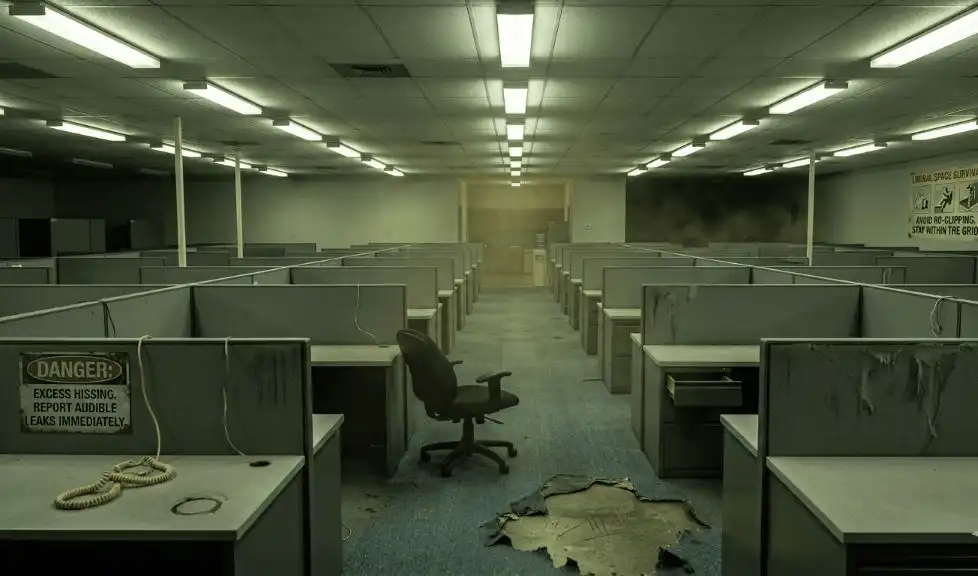
The psychology of liminal spaces, empty rooms, and the mind’s urge to fill the void Backrooms images—endless yellow corridors, vacant office spaces, damp carpeted rooms with no exit—have carved out a unique corner of the internet. To some, they’re just oddly lit rooms; to many others, they provoke a deep, wordless creepiness. There’s no monster … Read more