Integrity vs. Despair (Erikson’s Eighth Stage of Psychosocial Development)
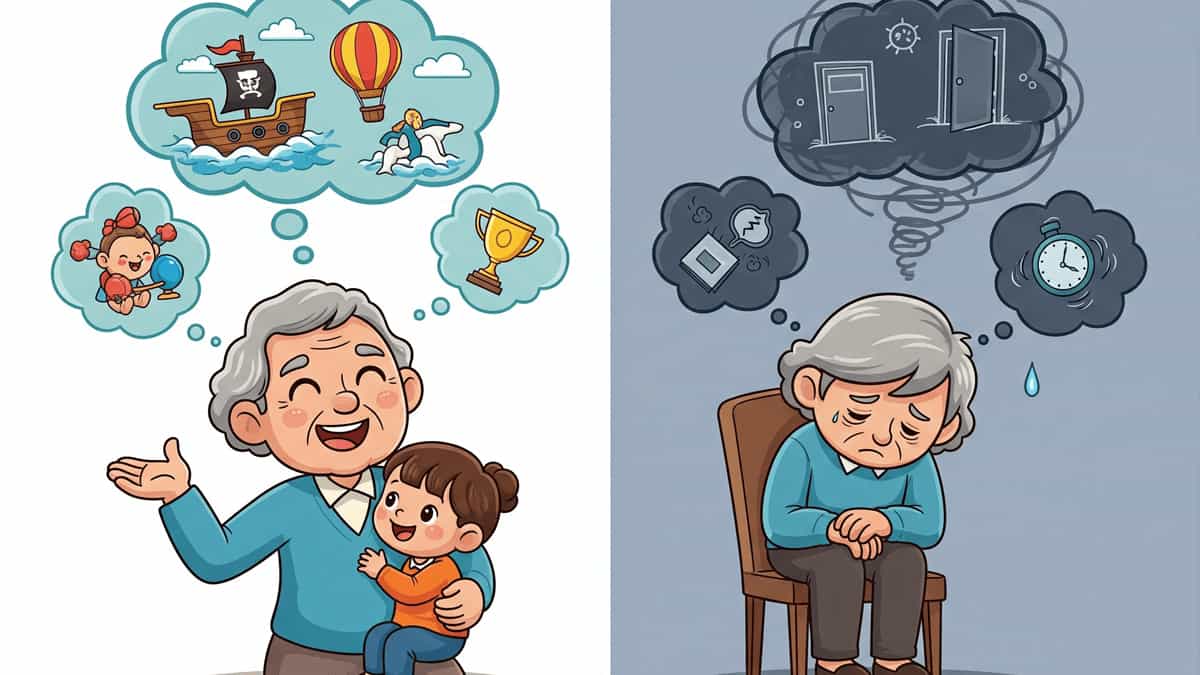
Illustration showing Erikson Stage 8 Integrity vs Despair with life reflection and regret contrast

In later adulthood, psychological concerns shift once more. The focus is no longer achievement, identity, or productivity. Now the central question becomes: 👉 “Was my life meaningful?” This is the eighth and final psychosocial conflict described by Erik Erikson: Integrity vs. Despair Quick Summary – Integrity vs. Despair Feature Details Stage Integrity vs. Despair Age … Read more

Generativity vs. Stagnation (Erikson’s Seventh Stage of Psychosocial Development)

Erikson Generativity vs Stagnation illustration showing nurturing guidance and emotional stagnation

By mid-adulthood, the psychological focus shifts again. Earlier stages revolved around identity and relationships. Now the central concern becomes: 👉 “Am I contributing something meaningful?” This is the seventh psychosocial conflict described by Erik Erikson: Generativity vs. Stagnation Quick Summary – Generativity vs. Stagnation Feature Details Stage Generativity vs. Stagnation Age Range Middle Adulthood (typically … Read more

Intimacy vs. Isolation (Erikson’s Sixth Stage of Psychosocial Development)

Illustration showing Erikson Stage 6 Intimacy vs Isolation with emotional connection and loneliness contrast

Once identity begins stabilizing, a new psychological challenge emerges. Not “Who am I?” anymore. Now the question becomes: 👉 “Can I truly connect with someone else?” This is the sixth psychosocial conflict described by Erik Erikson: Intimacy vs. Isolation Quick Summary – Intimacy vs. Isolation The Trust vs Mistrust stage is the first stage in … Read more

Identity vs. Role Confusion (Erikson’s Fifth Stage of Psychosocial Development)

Illustration showing Erikson Stage 5 Identity vs Role Confusion with multiple roles and uncertainty

This is the stage most people recognize — even if they’ve never studied psychology. Because this conflict doesn’t stay in textbooks. It shows up as: 👉 Career confusion👉 Self-doubt👉 “What am I doing with my life?” moments👉 Personal identity crises Erik Erikson framed this as: Identity vs. Role Confusion Quick Summary – Identity vs. Role … Read more

Industry vs. Inferiority (Erikson’s Fourth Stage of Psychosocial Development)

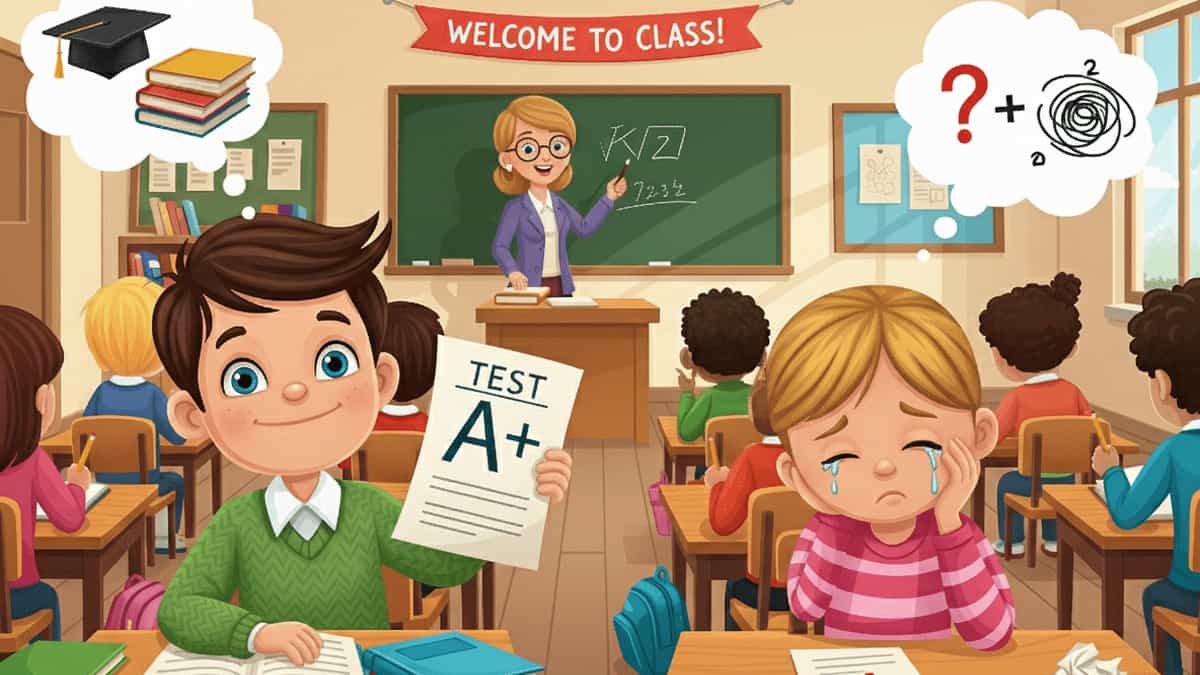
Illustration showing Erikson Stage 4 Industry vs Inferiority with confident and struggling students

As children move into the school years, development takes another shift. The focus is no longer just curiosity or independence. Now it becomes about something deeply tied to self-worth: 👉 Competence This is the fourth psychosocial conflict described by Erik Erikson: Industry vs. Inferiority Quick Summary – Industry vs. Inferiority Feature Details Stage Industry vs. … Read more

Initiative vs. Guilt (Erikson’s Third Stage of Psychosocial Development)

Illustration showing Erikson Stage 3 Initiative vs Guilt with confident and discouraged child contrast

By the time children enter early childhood, development shifts again. Now it is no longer just about safety or control — it becomes about purposeful action. This is the third psychosocial conflict described by Erik Erikson: Initiative vs. Guilt Quick Summary – Initiative vs. Guilt Feature Details Stage Initiative vs. Guilt Age Range ~3 to … Read more

Autonomy vs. Shame and Doubt (Erikson’s Second Stage of Psychosocial Development)

Illustration showing Erikson Stage 2 Autonomy vs Shame and Doubt with confidence and criticism contrast

If the first stage of development is about safety, the second is about control. After infants begin forming a basic sense of trust, a new psychological challenge emerges. The child is no longer just receiving care — they start asserting independence. This is the core conflict described by Erik Erikson: Autonomy vs. Shame and Doubt … Read more

Trust vs. Mistrust (Erikson’s First Stage of Psychosocial Development) — 15 Things You Can Learn

Erikson Trust vs Mistrust illustration showing nurturing and neglect contrast

When people talk about personality, confidence, or “trust issues,” they usually jump straight to adulthood. But according to Erik Erikson, a large part of how we relate to the world may begin far earlier — in the first year of life. This is the foundation of Erikson’s first psychosocial stage: Quick Summary – Trust vs. … Read more

Sigmund Freud: The Man Who Revealed the Hidden Mind

A close-up portrait of an elderly man with a white beard, resembling Sigmund Freud, wearing a dark suit and holding a cigar in a dimly lit, book-filled study with a glowing orange lamp.

By PsychoPeak Editorial What if your biggest decisions are not truly made by you, but by a hidden force within your mind that you cannot see or control?This unsettling yet fascinating possibility was introduced to the world by Sigmund Freud, a thinker whose ideas reshaped psychology and forever changed how humanity understands itself. Early Life … Read more

The Rosenthal Effect: How Expectations Shape Human Performance

A modern cartoon illustration of a classroom where a smiling, bespectacled student in the center appears confident and inspired, while surrounding students look confused or neglected.

While observing classrooms, therapy rooms, and even workplaces, one pattern kept repeating itself: people often performed not according to their actual ability, but according to what others expected from them. Some individuals flourished under belief and encouragement, while others slowly withdrew under doubt. This phenomenon is explained by a powerful psychological principle known as the … Read more