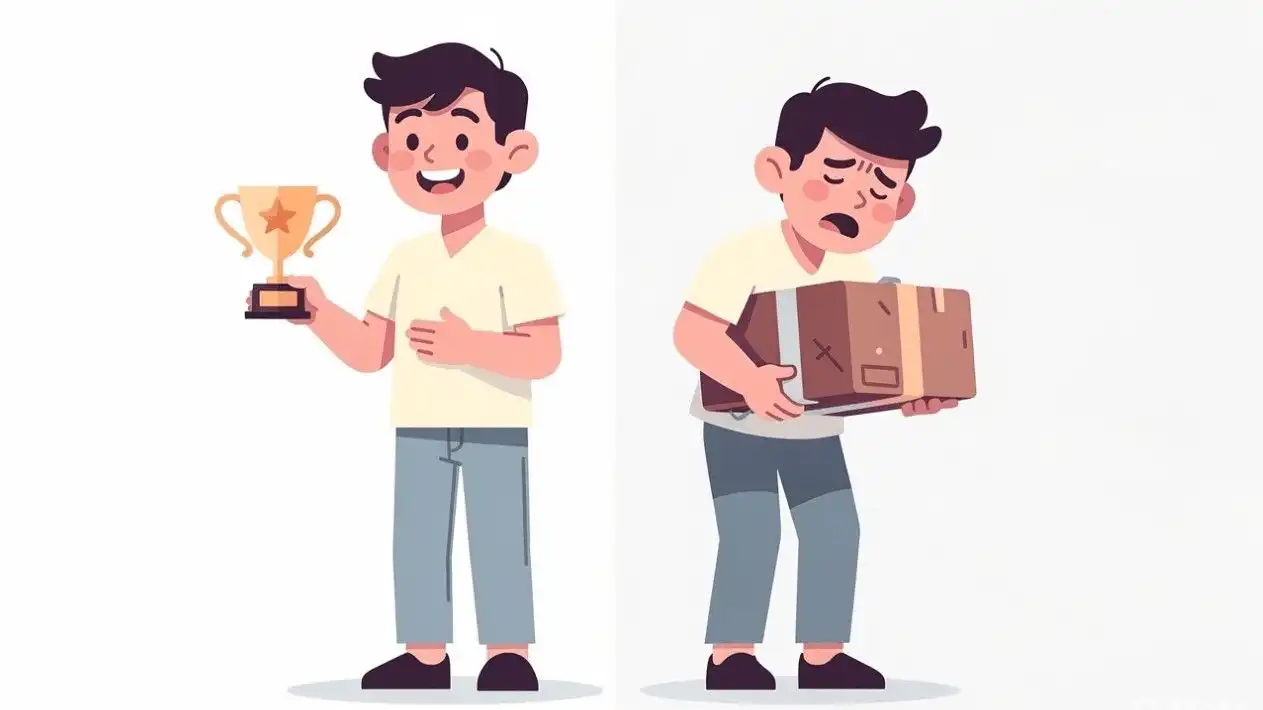
When you think of depression, you might imagine unshakable sadness, loss of joy, and sleepless nights. But what if your depression looked different? What if you could feel genuine happiness after a positive event, yet struggle with a crushing fear of rejection, overwhelming fatigue, and a constant craving for comfort food?
This isn’t a lesser form of depression—it’s a specific and recognized subtype known as Atypical Depression. Understanding its unique signature is the first step toward getting the right kind of help.
KEY TAKEAWAYS
- Mood Reactivity: Individuals can temporarily feel happy or relieved in response to positive events.
- Core Symptoms: Hypersomnia (oversleeping), increased appetite/weight gain, heavy limbs (‘leaden paralysis’), and high rejection sensitivity.
- Highly Treatable: Responds exceptionally well to targeted therapy (CBT/IPT) and specific medications like MAOIs or SSRIs.
What Makes Atypical Depression ‘Atypical’?
The name “atypical” is a historical misnomer. It doesn’t mean the condition is rare or strange. Instead, it was coined to describe a group of patients whose symptoms differed from the classic “melancholic” profile of depression (characterized by unwavering sadness, insomnia, and weight loss).
Why it is often misunderstood:
People with Atypical Depression can experience mood reactivity—their mood can lift in response to positive news or events. This temporary improvement can lead others (and even themselves) to believe they are “not really depressed” or are simply “moody,” causing their profound suffering to be dismissed or overlooked.
Symptoms of Atypical Depression
The core feature of Atypical Depression is mood reactivity. Alongside this, individuals must experience at least two of the following four symptoms:
PRIMARY ATYPICAL SYMPTOMS
- ✓ Increased Appetite / Weight Gain: Marked drive to eat, particularly carbohydrate and sweet cravings.
- ✓ Hypersomnia: Sleeping excessively (over 10 hours a day) while still waking up unrefreshed.
- ✓ Leaden Paralysis: Heavy, weighed-down feeling in the arms and legs lasting for hours.
- ✓ Intense Rejection Sensitivity: Heightened, painful reaction to perceived criticism or social rejection.
Additionally, many experience emotional reactivity and sudden mood shifts, where their emotional state can change dramatically based on external social cues.
What Causes Atypical Depression?
Atypical Depression is not the result of a single cause but a perfect storm of interacting factors:
Brain Chemistry & Neurotransmitters: Imbalances in key brain chemicals like serotonin, dopamine, and norepinephrine are strongly implicated, affecting mood, energy, and reward processing.
Hormonal Changes: Dysregulation in the body’s stress response system (the HPA axis) and other hormonal pathways may contribute.
Genetic Predisposition: Having a close family member with depression or bipolar disorder increases your vulnerability.
Trauma & Chronic Stress: Early life adversity or prolonged periods of high stress are significant triggers.
Personality Patterns: Traits like high interpersonal sensitivity or an avoidant personality style can be risk factors.
Environmental Triggers: Significant life changes, loss, or ongoing stressful environments can act as the final trigger for onset.
Atypical Depression vs. Typical Depression
The key differences lie in the direction of the core symptoms.
PROS
- ✓ Reactive Mood (lifts with positive news)
- ✓ Increased Appetite & Carb Cravings
- ✓ Hypersomnia (oversleeping 10+ hours)
- ✓ Leaden Paralysis (heavy limb sensation)
- ✓ Intense Rejection Sensitivity
CONS AT A GLANCE
- ✕ Pervasively Low Mood (no improvement)
- ✕ Decreased Appetite & Weight Loss
- ✕ Insomnia / Early Morning Waking
- ✕ Psychomotor Agitation or Retardation
- ✕ Social Indifference & Withdrawal
Why it’s underdiagnosed: Symptoms are often mistaken for personal failings like “laziness” or “neediness,” rather than recognized as part of a biological disorder.
You May Also Like
Understanding Bipolar II vs. Unipolar Depression
How Clinicians Diagnose Atypical Depression
A proper diagnosis is essential and must be made by a qualified professional.
DSM-5 Specifier: It is diagnosed as Major Depressive Disorder “with atypical features.”
Clinical Assessment: A thorough interview exploring the nature, duration, and impact of symptoms.
Psychological Screening Tools: Questionnaires can help identify the specific symptom cluster.
Differential Diagnosis: A clinician will rule out other conditions like Bipolar Disorder, Borderline Personality Disorder, and thyroid disorders.
Treatment Approaches
The encouraging news is that Atypical Depression is highly treatable, especially with targeted approaches.
1 Psychotherapy Options
CBT (Cognitive Behavioral Therapy): Challenges negative thought patterns, especially those centered on rejection, and helps build routines to combat inertia.
Interpersonal Therapy (IPT): Directly addresses interpersonal issues and improves communication skills, making it ideal for managing rejection sensitivity.
Behavioural Activation: Gently encourages engagement in rewarding activities to counteract leaden paralysis and low mood.
Mindfulness-Based Work: Helps individuals observe their intense emotions without being overwhelmed by them.
2.Medications
MAOIs (Monoamine Oxidase Inhibitors): Historically the gold-standard and most effective medication for this subtype, though they require dietary restrictions.
SSRIs/SNRIs: Modern antidepressants (like Prozac or Effexor) are now first-line treatments and are effective for many people.
Why Medication Response Differs: The unique symptom profile (e.g., hypersomnia, carb cravings) suggests different underlying neurobiology, which may explain the historically strong response to MAOIs.
3. Biological Treatments
For treatment-resistant cases, rTMS (Repetitive Transcranial Magnetic Stimulation) and Ketamine Therapy (or esketamine) offer new hope, often providing rapid relief where other treatments have failed.
Coping With Atypical Depression
Daily management strategies are crucial for stability:
Daily Routine Restructuring: A consistent schedule for sleep, meals, and activities provides an anchor against inertia.
Managing Hypersomnia & Cravings: Use alarms to limit sleep; keep healthy snacks available to manage carb cravings.
Handling Rejection Sensitivity: Practice reality-testing your fears (“What is the evidence?”) and build self-esteem through affirmations.
Grounding Techniques: Use the 5-4-3-2-1 method (name 5 things you see, 4 you feel, etc.) to manage sudden emotional shifts.
Building Social Support: Confide in trusted friends or family about your experience with rejection sensitivity.
Journaling & Emotional Processing: Writing down thoughts and feelings can help process emotions and identify triggers.
Lifestyle & Self-Care Strategies
Sleep Hygiene Reset: Go to bed and wake up at the same time every day, even on weekends. Create a dark, cool, and tech-free sleep environment.
Nutrition: Focus on a balanced diet rich in protein, fiber, and complex carbs to stabilize blood sugar and energy levels.
Exercise: Combat leaden paralysis with gentle, consistent movement. A daily 15-minute walk can make a significant difference.
Stress Management: Incorporate practices like deep breathing, yoga, or meditation to calm the nervous system.
Atypical Depression in Different Populations
Women: Diagnosed two to three times more often in women.
Teens & Young Adults: Often has an early onset, beginning in adolescence or early adulthood.
Chronic Depression Cases: Frequently presents as a more persistent, long-term form of depression (Dysthymia).
Complications if Left Untreated
Ignoring Atypical Depression can lead to a cascade of negative outcomes:
Social Withdrawal: Fear of rejection leads to isolation.
Work/School Decline: Fatigue and poor concentration impair performance.
Worsening Physical Health: Linked to obesity, diabetes, and heart disease.
High Relapse Risk: Without treatment, episodes are likely to recur and worsen over time.
Myths & Facts About Atypical Depression
- Myth: “It’s rare.”
- Fact: It is one of the most common subtypes of depression.
- Myth: “It’s just mood swings.”
- Fact: It is a severe clinical disorder with distinct biological and emotional symptoms.
- Myth: “Atypical means mild.”
- Fact: The label refers to symptom type, not severity. It can be profoundly disabling.
- Myth: “Medication doesn’t help.”
- Fact: It often responds very well to medication, particularly certain classes.
When to Seek Professional Help
Do not hesitate to reach out if these symptoms resonate with you.
Warning Signs: Symptoms persist for over two weeks and disrupt your work, relationships, or daily functioning. The feeling of being “stuck” and unable to manage your emotions or energy is a key indicator.
When Symptoms Need Urgent Attention: If you have thoughts of harming yourself or feel completely overwhelmed, seek help immediately. Contact a crisis helpline, go to the nearest emergency room, or tell someone you trust.
Frequently Asked Questions
FAQs
Is atypical depression rare?
No. Despite its name, atypical depression is actually one of the most common subtypes of major depressive disorder.
Why can people with atypical depression still smile or laugh?
This is due to ‘mood reactivity’—a key trait where mood momentarily brightens during positive social interactions or events.
Can atypical depression turn into bipolar disorder?
In some cases, early-onset atypical depression with heavy rejection sensitivity can be associated with soft bipolar spectrum disorders, requiring careful psychiatric evaluation.
Note: This article is for educational purposes only and does not constitute professional clinical advice.
Related Articles


Sponsored


You May Also Like

The Magician Archetype – Transformation, Vision & Turnin…

Conversational Velocity: The Psychology of Speech Rate and P…

Fear of Losing Control Explained

Accomplishment in Psychology – The Drive for Achievement &am…

Why Glass Floors Trigger Panic for Some People