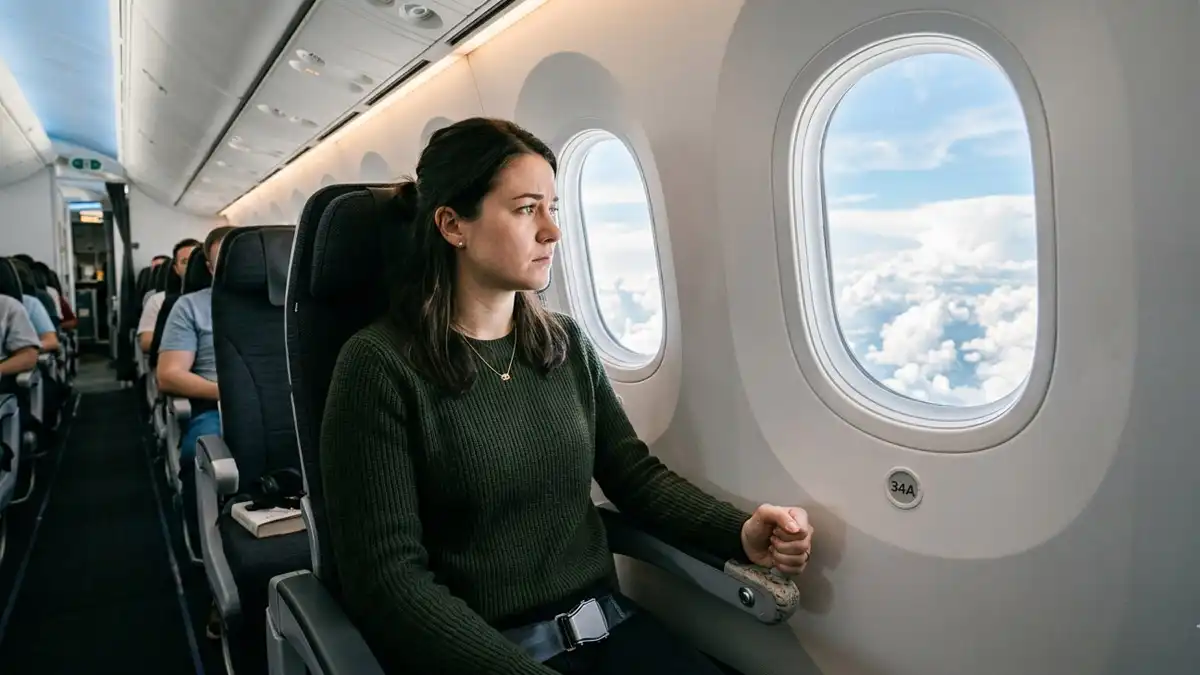
Does the thought of flying fill you with dread? For many, the idea of getting on a plane isn’t an exciting start to a holiday—it’s a source of intense fear. This feeling might be more than just pre-flight jitters; it could be aerophobia, the profound and irrational fear of flying.
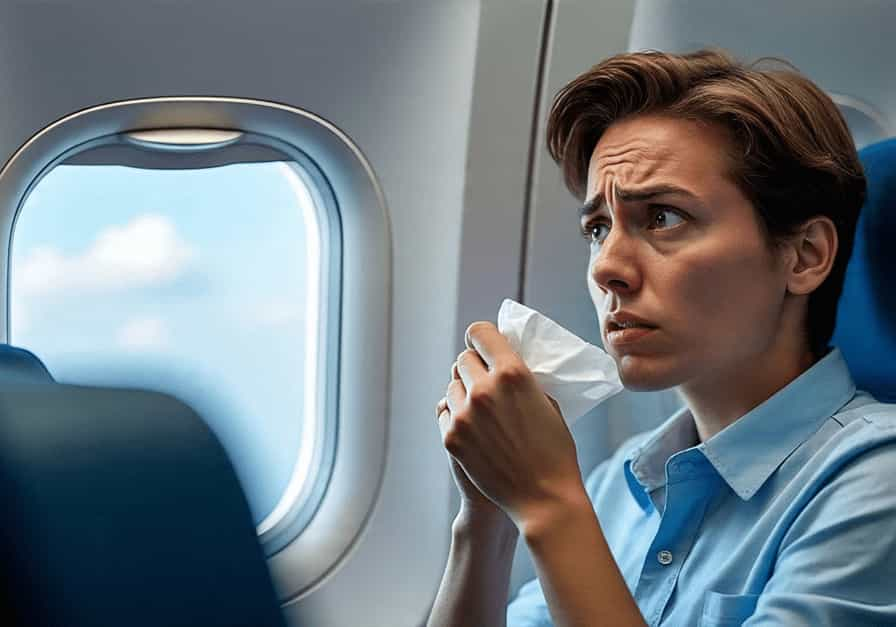
Unlike the common nerves we all feel before a trip, aerophobia is a specific phobia. It’s so persistent and severe that it can completely disrupt your life. This fear can trigger panic attacks and lead you to avoid air travel entirely, affecting everything from your career opportunities to family vacations.
Why Does This Fear Take Hold?

The causes of aerophobia are often a mix of personal experiences and mental health factors. This fear can creep in for a variety of reasons, and it’s often not just one thing.
- Bad Experiences: A bumpy flight, a sudden emergency landing, or even hearing about a plane crash can be a powerful trigger.
- Loss of Control: Since you’re not the one in the cockpit, a sense of helplessness can creep in and fuel anxiety. This lack of control is a major factor for many.
- Other Fears: It’s not always just about the plane. Fears like claustrophobia (fear of enclosed spaces) or acrophobia (fear of heights) can make aerophobia worse.
- Anxiety Disorders: If you already deal with anxiety or panic disorders, you’re more likely to develop a fear of flying.
- Media Influence: Dramatic news reports or movies about plane disasters can intensify the fear, even though the actual risk is incredibly low.
The Symptoms and Impact
Aerophobia doesn’t just feel scary—it has real physical and emotional symptoms, including sweating, a racing heart, dizziness, and a feeling of impending dread. These symptoms can show up long before a flight even takes off, sometimes weeks in advance.

This fear can have a big impact on a person’s life and can:
- Limit your career, causing you to miss out on jobs or promotions that require travel.
- Strain relationships when you have to miss family events or vacations.
- Cost a lot of money if you’re forced to choose expensive, time-consuming alternatives like long car rides or train journeys.
Is Aerophobia Treatable?
The good news is that aerophobia is very treatable. With the right help, you can learn to manage and even overcome this fear. Common treatments include:

- Cognitive Behavioural Therapy (CBT): This therapy helps you challenge and change the irrational thoughts that fuel your fear. It gives you the tools to reframe your thinking.
- Exposure Therapy: A therapist will gradually expose you to things related to flying in a safe environment, from looking at a plane to sitting in one on the ground.
- Virtual Reality Therapy (VRT): This is a high-tech version of exposure therapy, allowing you to experience a “flight” in a completely safe, virtual setting.
- Medication: For severe cases, a doctor might prescribe medication to help ease anxiety symptoms.
- Relaxation Techniques: Simple practices like deep breathing and mindfulness can help you stay calm before and during a flight.

Simple Ways to Help Yourself

You can take small steps on your own to start managing your fear. These strategies can be a great starting point for your journey.
- Educate Yourself: Take some time to learn about how planes work and how incredibly safe flying is. Understanding the mechanics can demystify the process.
- Gradual Exposure: Try visiting an airport to get comfortable with the environment. You don’t have to get on a plane—just spending time there can help.
- Practice Mindfulness: Use deep breathing exercises to calm yourself down during moments of panic. You can do this at home, in the airport, or on the plane.
- Distract Yourself: Read a book, listen to music, or watch a movie to keep your mind off the flight.
- Bring a Buddy: Traveling with a supportive friend or family member can make a huge difference.
Don’t Let Fear Keep You Grounded
Aerophobia is a genuine and debilitating phobia, but it doesn’t have to control your life. By seeking professional help and using simple self-help strategies, you can take back your freedom to travel and explore the world.
Taking the first step toward understanding your phobia is the most important part of the journey. You don’t have to go through this alone.
Note: This article is for educational purposes only and does not constitute professional clinical advice.
Related Articles


Sponsored


You May Also Like

How Football Trains the Brain for Split-Second Decisions: Th…

The Rebel Archetype – Breaking Rules, Challenging Systems &a…

Why Certain Images Make People Feel Uncomfortable

You’re Not Lost — You’re Developing: How Erikson Explains Yo…

The Chameleon Effect: Why Do People Behave Differently in Gr…