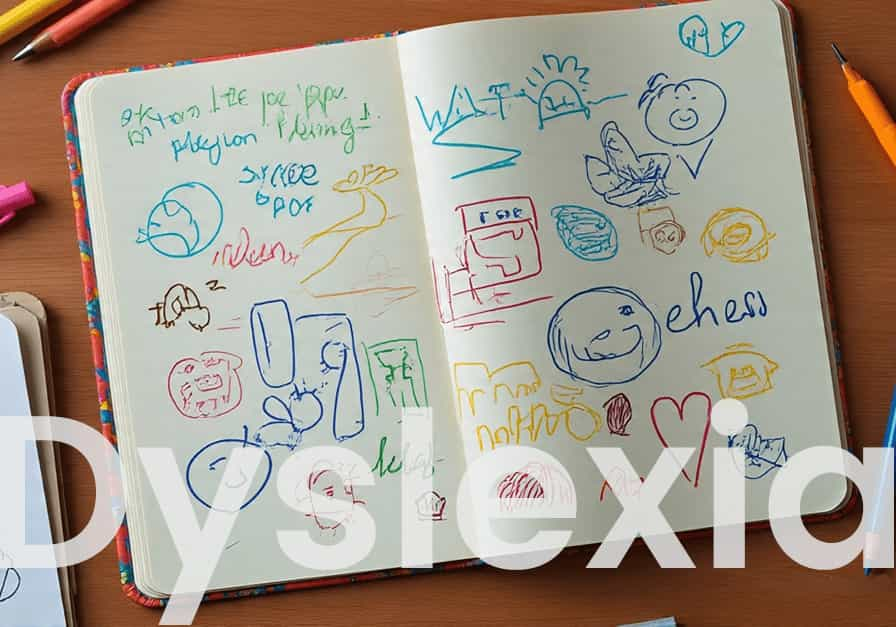
What do Albert Einstein, Steven Spielberg, and a highly creative child in your neighbourhood have in common? They all have dyslexia. Contrary to a common myth, dyslexia isn’t about a lack of intelligence; it’s about a different way of processing written language. A child with dyslexia can be highly creative and intelligent but still struggle with reading fluently, spelling words correctly, or understanding written text as quickly as their peers.
A famous example many people relate to is Ishaan Awasthi from the film Taare Zameen Par, who struggled in school not because he lacked talent, but because his brain worked differently.
What Is Dyslexia?
Definition: Dyslexia is a specific learning difference that primarily affects a person’s ability to read and spell words accurately and fluently. It is not caused by laziness or lack of effort.
Cause: Dyslexia is a neurodevelopmental condition, meaning it’s linked to the way the brain processes language. Research shows it is often hereditary and neurological.
How Dyslexia Shows Up in Daily Life
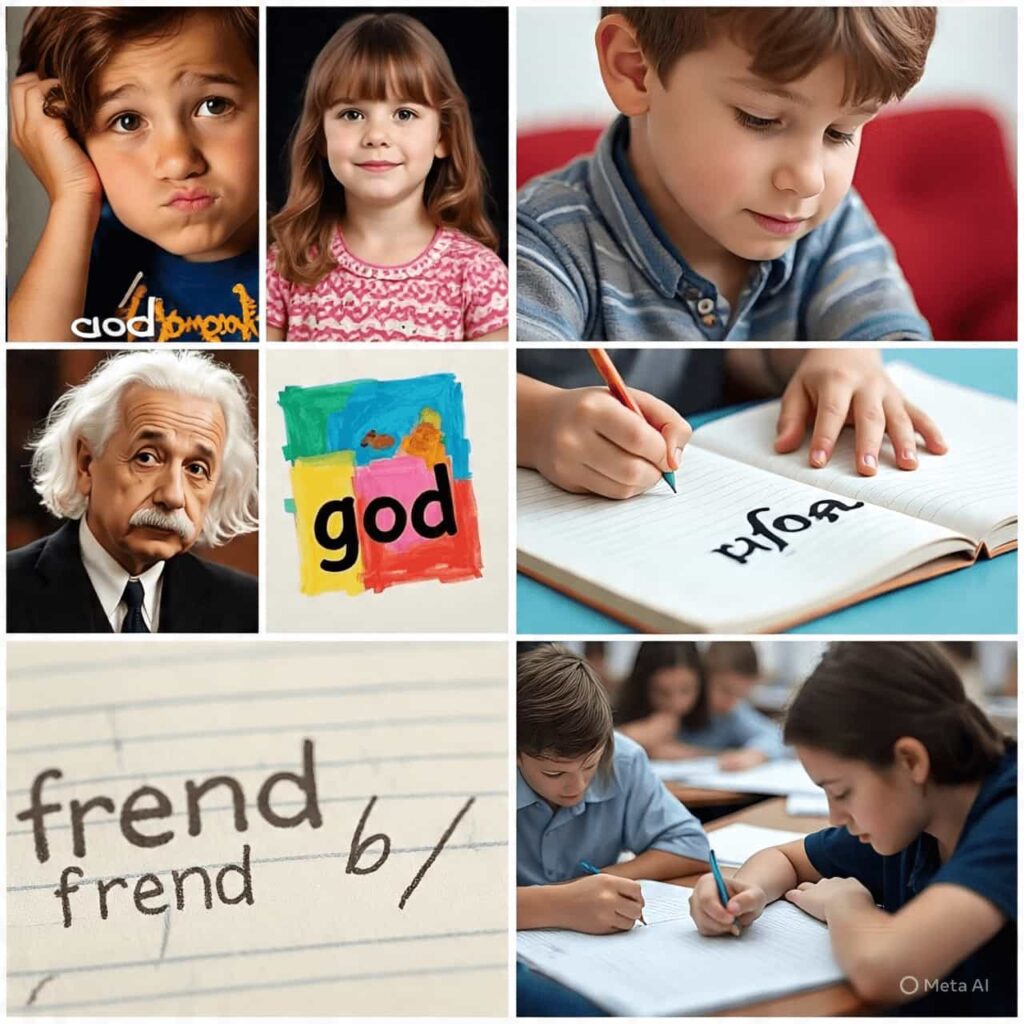
- Reading Fluency: A person might struggle with reading words quickly and accurately. They might mix up the order of letters, reading “god” instead of “dog,” or skip lines or words entirely.
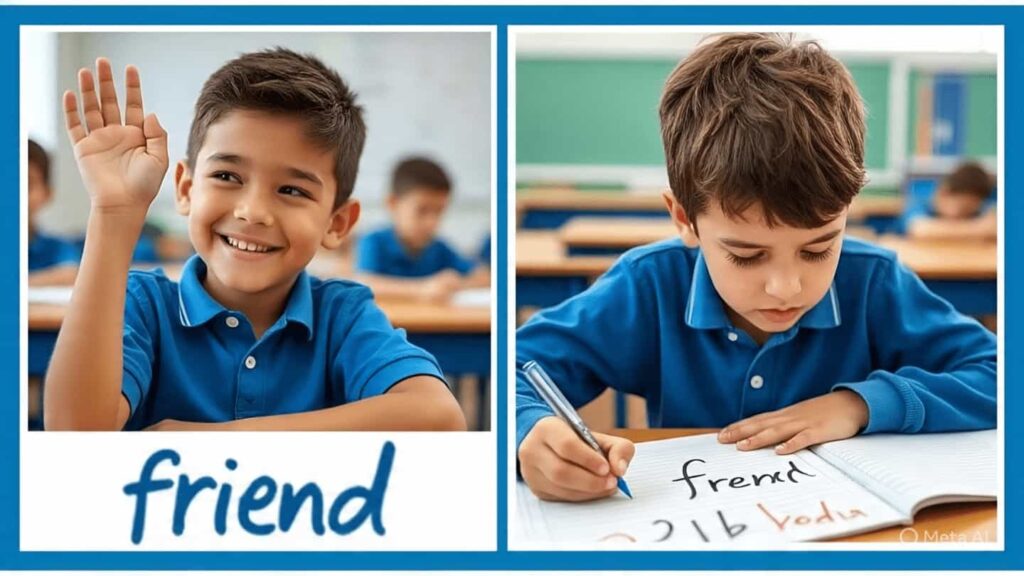
- Writing and Spelling: Writing can be a challenge, as a child might confuse similar-looking letters like ‘b’ and ‘d’ or find it difficult to remember the correct sequence of letters in a word, leading to misspellings like “frend” instead of “friend.”
- Time & Sequencing: It’s not just about words. Some people with dyslexia struggle with remembering the order of things, such as the days of the week or multi-step instructions.
- Slow Processing: Even if they know the answer to a question, they may take much longer to read and understand the exam question itself.
Beyond the Textbook: Dyslexia in the Classroom
Teachers may sometimes mistake dyslexia for a lack of attention or poor discipline. But in reality, students with dyslexia might be:
- Bright storytellers in oral activities but weak in written assignments.
- Artists, musicians, or creative problem-solvers who shine in fields that don’t rely on traditional reading and writing.
- Struggling emotionally if they’re constantly compared to peers or scolded for “carelessness.”
For example, a child may quickly solve a math problem verbally but make spelling mistakes when writing the final answer on paper.
Famous People with Dyslexia
Dyslexia doesn’t limit a person’s potential. Many highly successful individuals have learned to work with their learning difference:
- Albert Einstein – struggled with traditional schooling but revolutionized physics.
- Steven Spielberg – diagnosed later in life, yet became one of the world’s greatest filmmakers.
- Richard Branson – founder of the Virgin Group, credits his dyslexia for helping him think outside the box.
➡️ “Want to see how dyslexia was powerfully portrayed in cinema? Check out our article on Taare Zameen Par and the child psychology lessons it teaches
How Is Dyslexia Diagnosed and Managed?
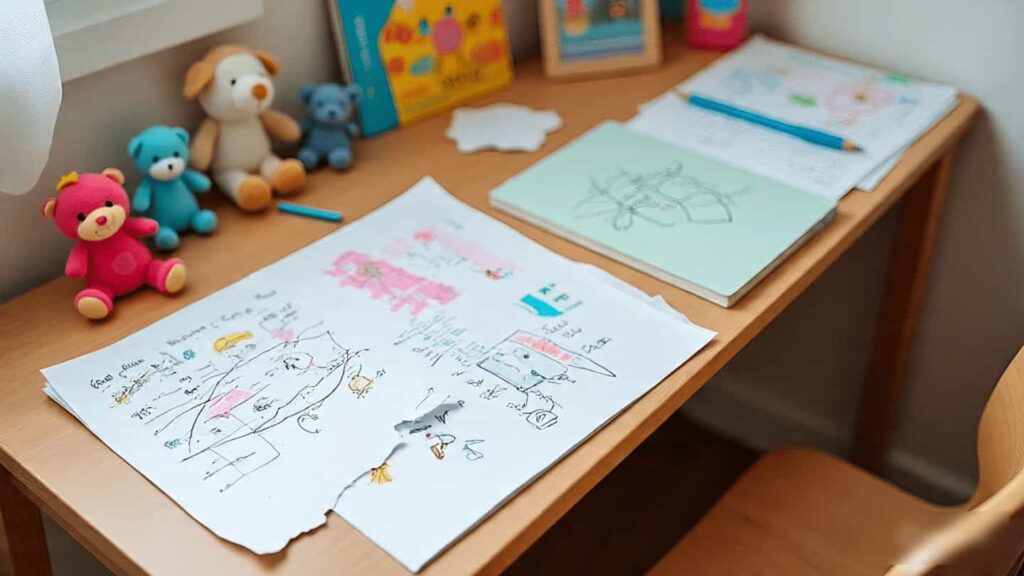
Diagnosis: A psycho-educational assessment is the primary way dyslexia is diagnosed. A psychologist or special educator will test a person’s reading accuracy, phonological awareness, memory, and processing speed. Early detection is key, as it can prevent years of frustration and low self-esteem.
Management: With the right support, people with dyslexia can thrive. Effective strategies include:
- Specialized Teaching Techniques: Multisensory learning combines sight, sound, and touch to teach reading. An example is tracing letters in sand while saying their sound aloud.
- Assistive Technology: Tools like text-to-speech software, audiobooks, and speech recognition can help level the playing field.
- Classroom Accommodations: These may include extra exam time, oral tests, or a reduced written workload.
- Emotional Support: Encouragement, counselling, and celebrating strengths are crucial for building confidence.
Dyslexia doesn’t mean a child isn’t smart. It means they learn differently. With the right support, children with dyslexia often outperform their peers in creativity, innovation, and problem-solving.
Just like Ishaan in Taare Zameen Par, many children with dyslexia only need understanding, patience, and proper teaching methods to unlock their true potential. If you think your child or someone you know may be struggling, seeking a professional assessment is the first and most important step.
Note: This article is for educational purposes only and does not constitute professional clinical advice.
Sponsored


You May Also Like

Why Does Your Brain Overthink Simple Situations?

Genetic Factors in Depression: Unraveling the DNA of Your Mo…

Fear of Losing Control Explained

Developmental Psychology — How We Grow, Change, and Become W…

Personality Disorders DSM-5: The 10 Types, Symptoms & Ke…