
By Shikha Sharma
M.A. in Psychology, passionate about Criminal & Positive Psychology and Cyberpsychology
Picture a teenager in a courtroom, their face young but their charges serious. The public often sees a hardened criminal, but psychology asks a different question: What happened to this child?
Juvenile criminal psychology goes beyond the “what” of a crime to explore the “why.” It delves into the complex mix of brain development, trauma, and environment that can lead a young person into the justice system. It’s not about making excuses; it’s about seeking explanations to foster rehabilitation and break cycles of violence. In the United States, where hundreds of thousands of young people are arrested each year, understanding these psychological underpinnings is essential for building safer communities and saving futures. It’s a story of potential derailed, and more importantly, a story of potential that can be reclaimed.
The Psychological Factors Behind Youth Crime
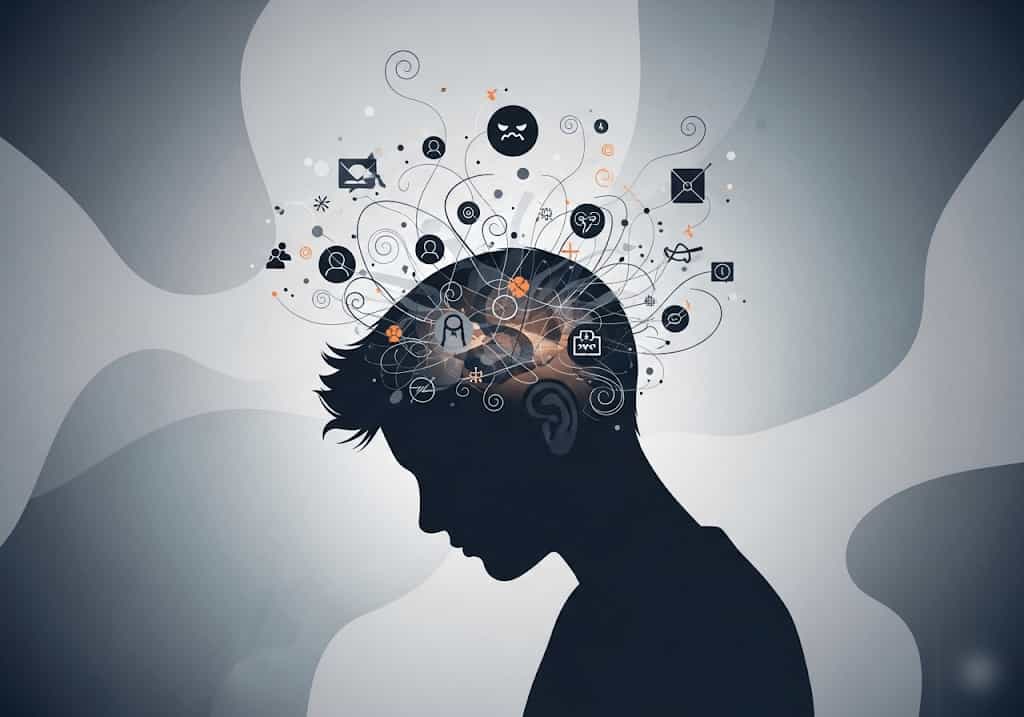
Juvenile criminal psychology is a specialized field that focuses on assessing and treating individuals under the age of 18 who have engaged in unlawful behavior. This field operates on a core principle that distinguishes it from the adult system: adolescents are still developing. Their actions are filtered through a brain that is emotionally charged but lacks full development in the areas responsible for impulse control, risk assessment, and long-term planning.
Criminal behavior in youth is rarely caused by a single factor. Instead, it’s typically a perfect storm of several converging elements:
- Neurological Development: The prefrontal cortex—the brain’s “CEO” responsible for judgment and decision-making—doesn’t fully develop until the mid-20s. Meanwhile, the amygdala, which processes emotions like fear and aggression, is highly active. This imbalance can lead to impulsivity, poor risk perception, and heightened reactivity to perceived threats.
- Adverse Childhood Experiences (ACEs): A shocking number of justice-involved youth have experienced trauma, such as abuse, neglect, or household dysfunction. Trauma can literally rewire the brain’s stress response system, leading to hypervigilance, aggression, and difficulty regulating emotions. For more information on this, check out the CDC’s page on ACEs.
- Environmental Influences: Factors like poverty, lack of opportunity, exposure to community violence, and peer pressure are powerful external drivers. A young person may join a gang for protection, status, or a sense of belonging they lack at home.
- Mental Health Disorders: Underlying, and often undiagnosed, conditions like conduct disorder, depression, PTSD, and substance use disorders are significantly more prevalent among juvenile offenders than in the general population.
From Punishment to Rehabilitation
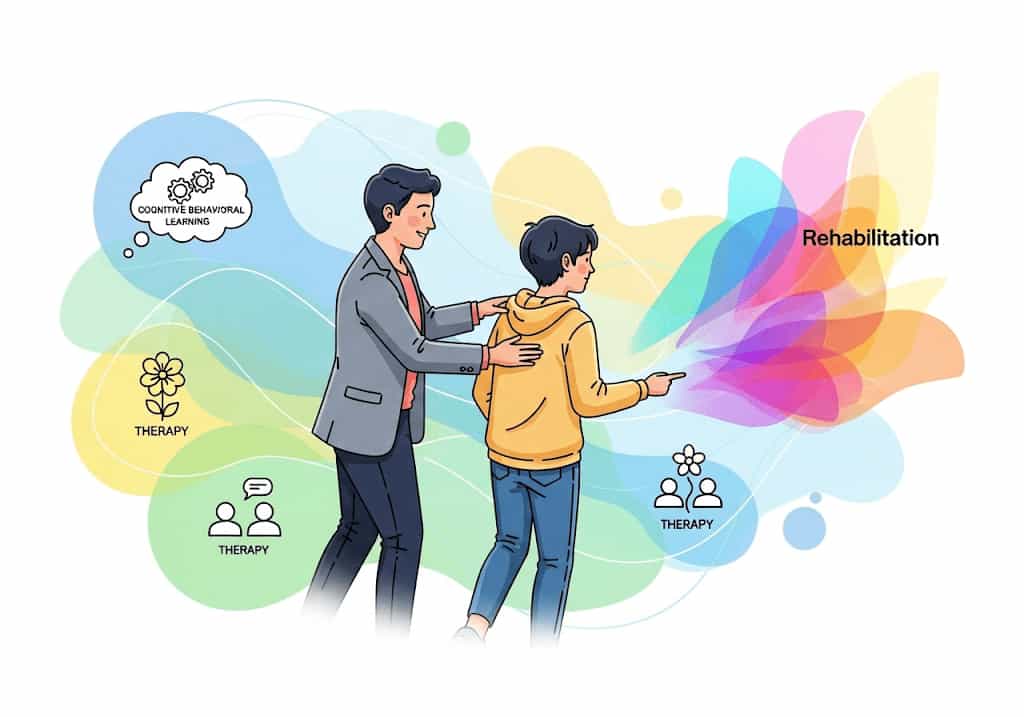
The US juvenile justice system has long struggled with its approach. Historically, it operated on a rehabilitative model, but this shifted in the 1990s toward a more punitive “adult time for adult crime” stance. However, groundbreaking research has reaffirmed the importance of rehabilitation.
Psychology has been the driving force behind this shift. Research shows that therapeutic interventions, such as Cognitive Behavioral Therapy (CBT), and trauma-informed care are far more effective at reducing repeat offences than punitive measures alone. The focus is now on Risk-Needs-Responsivity (RNR) models, which assess a youth’s risk level, identify their specific criminogenic needs (e.g., anger management, substance abuse), and tailor the response to their learning style.
Case Studies in Action
These two case studies demonstrate how a psychological approach can transform outcomes for young people.
Case Study 1: The Story of “Luis” and Multisystemic Therapy (MST)
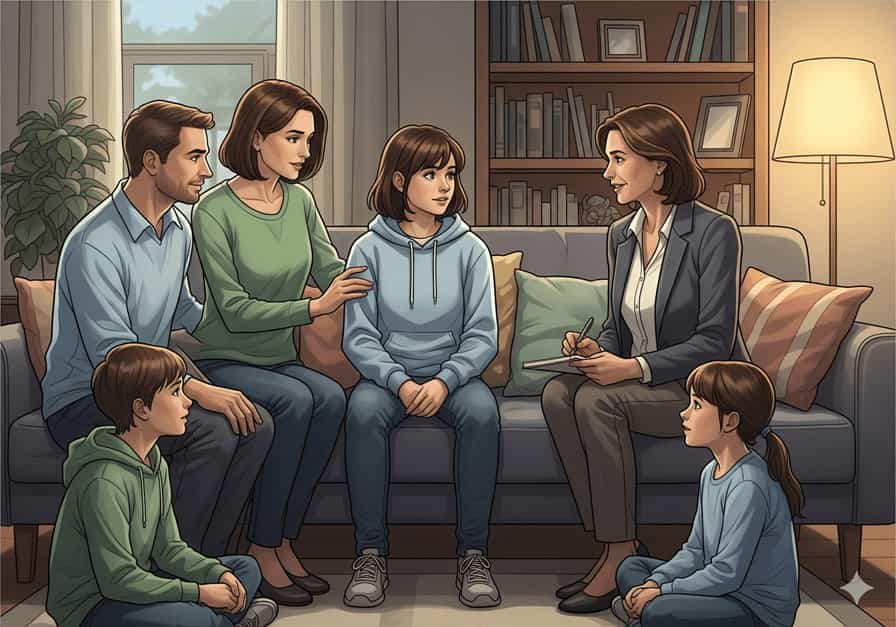
Luis, a 16-year-old from Cleveland, was on probation for aggravated assault after traditional therapy had failed. He was then enrolled in an intensive Multisystemic Therapy (MST) program. An MST therapist didn’t just see Luis in an office; they worked within his entire ecosystem—his home, his school, and his neighbourhood. They discovered his violence was often triggered by a need to protect his younger brother from a drug-abusing uncle. The therapy focused on empowering Luis’s mother to create a safer home environment, connecting the family with social services to remove the threat, and helping Luis develop non-violent conflict-resolution skills. Two years later, Luis had no further arrests and was graduating from high school. MST, backed by decades of research, exemplifies how addressing environmental systems is key to lasting change.
Case Study 2: Trauma-Informed Care in Texas
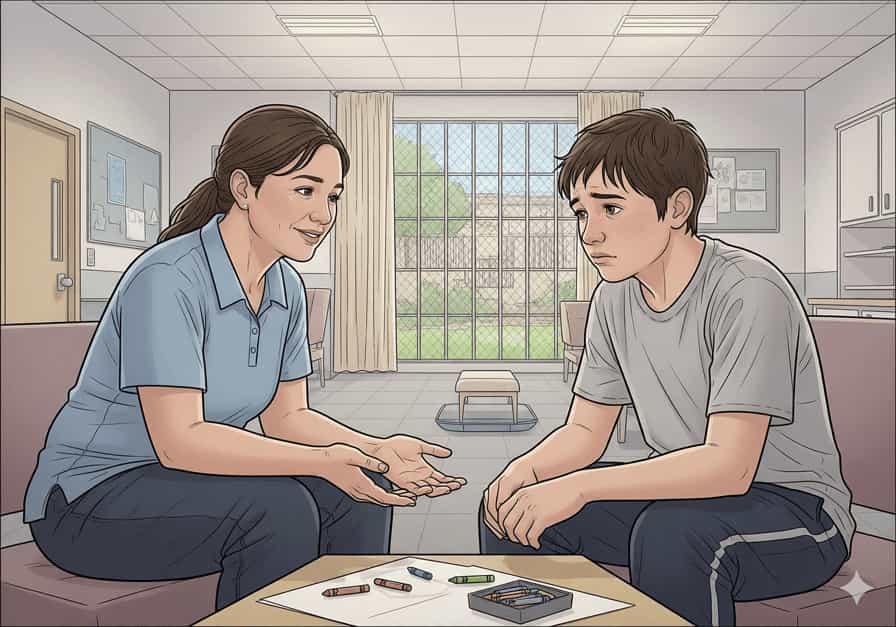
The Giddings State School, a maximum-security juvenile facility in Texas, was once known for high violence and recidivism rates. They implemented a revolutionary program based on the “Residential Trauma-Informed Treatment” model. Instead of punishing acting-out behaviours, staff were trained to see them as symptoms of underlying trauma. A youth throwing a chair was no longer just a “disciplinary problem” but a traumatized child in a state of emotional dysregulation. The response shifted from isolation to de-escalation and counselling. The results were staggering: a dramatic reduction in violent incidents within the facility and a recidivism rate that plummeted to below 15%, one of the lowest in the nation. This case proves that even in the most challenging settings, a psychological approach centred on healing works.
Expert Voices and Key Takeaways
The evidence for this psychological approach is robust, with pioneering work from organizations like the John D. and Catherine T. MacArthur Foundation’s Research Network on Adolescent Development and Juvenile Justice.
As Dr. Laurence Steinberg, a renowned expert in adolescent brain development, has shown, the fundamental differences between adult and adolescent minds are significant enough to warrant a different legal approach. His research has even been cited in Supreme Court cases. You can read more about his work on his Temple University faculty page.

A powerful African proverb captures the core insight of this field: “The child who is not embraced by the village will burn it down to feel its warmth.” This proverb powerfully illustrates that destructive actions are often a desperate cry for connection, safety, and belonging.
Whether you’re a parent, educator, or community member, you can play a role in supporting at-risk youth. Here’s how:
- Look Beyond the Behavior: Reframe your perspective. What looks like defiance may be impulsivity; what looks like apathy may be depression. Chronic anger, withdrawal, or sudden changes in friend groups can signal underlying distress.
- Promote Connection: A strong, positive relationship with at least one caring adult is a powerful protective factor against delinquency.
- Advocate for Resources: Support community programs that provide mentoring, after-school activities, and mental health services for at-risk youth.
- Choose Rehabilitation: Support policies and programs that favor evidence-based therapeutic interventions over incarceration for youth.
Understanding juvenile criminal psychology is an act of both compassion and pragmatism. It asks us to look at a young person who has caused harm and see not a label, but a story. By investing in the science of the developing mind, we give young people the tools to build a better future. The goal is not simply to punish a past mistake, but to unlock the potential that still lies within, creating a safer and more just society for everyone.
What role do you think your community can play in supporting at-risk youth?
Disclaimer
This article is for educational purposes only and should not be taken as medical advice. While the author has academic training, this content is not a substitute for therapy or professional care. If you are struggling, please reach out to a licensed mental health professional.
Related Articles

Sponsored


You May Also Like

Your Life Isn’t Random — It’s a Story Unfolding. Freud Began…

Why Introverts and Extroverts Think Differently: The Science…

How Stress Affects Your Body: The Psychology Behind Modern B…

Why Productivity Isn’t About Working Harder at Work

Accomplishment in Psychology – The Drive for Achievement &am…