Author: Ms. Shikha Sharma — Psychology Postgraduate, passionate about Positive Psychology, and Cyberpsychology
A city is paralyzed by a serial killer. Thousands of tips flood the police, yet no clear suspect emerges. In a quiet room, a specialist pores over maps, photos, and case files—not searching for fingerprints or weapons, but for the mind behind the crimes. They are building a psychological portrait of a ghost.
This is criminal profiling. Popularized by shows like Mindhunter and Criminal Minds, it is often portrayed as a glamorous guessing game. But in reality, profiling is a structured, research-based discipline that has reshaped modern investigations in the United States. It’s not about psychic visions—it’s about decoding the story a crime scene tells and uncovering the mind of its author.
Beyond the Guesswork: Defining Criminal Profiling
Criminal profiling, formally called Criminal Investigative Analysis (CIA), is the practice of inferring an offender’s demographic, behavioral, and psychological traits from the way they plan, commit, and conceal their crimes.
The guiding principle: behavior reflects personality. Every decision an offender makes—from choice of victim to how evidence is left or hidden—reveals patterns about their psyche, motives, and lifestyle. Profiling is not fortune-telling; it is behavioral detective work.
The Two Pillars: Organized vs. Disorganized Offenders
One of the earliest frameworks, developed by the FBI’s Behavioral Science Unit, divided violent offenders into two categories:
- Organized Offender
- Crimes are planned and deliberate
- Brings weapons or restraints, conceals evidence
- Targets specific victims, crime scene shows control
- Often intelligent, socially competent, and follows media coverage of their crimes
- Disorganized Offender
- Crimes are impulsive and chaotic
- Uses weapons of opportunity, leaves behind evidence
- Scenes are messy, violent, and spontaneous
- May be socially isolated, of lower intelligence, or struggling with mental illness
Modern profiling views these as points on a spectrum rather than strict types, but this model remains a cornerstone of offender analysis.
How Profiling Works in the Real World
While television focuses on serial killers, profiling is used across a variety of serious investigations, including:
- Threat Assessment: Evaluating letters, emails, or calls to gauge risk and identify likely authors.
- Arson: Analyzing how and why a fire was set—whether for revenge, thrill, or financial gain.
- Kidnapping: Predicting offender moves and advising on negotiation strategies.
- Sexual Assaults: Identifying behavioral patterns that link multiple attacks to a single offender.
In the U.S., the FBI’s Behavioral Analysis Unit (BAU) is the most recognized authority, but state and local agencies also apply profiling principles daily to solve violent crimes and protect communities.
Case Studies: Profiling in Action
1. The Mad Bomber (New York, 1950s)

For 16 years, a mysterious bomber terrorized New York City. With few leads, police turned to psychiatrist Dr. James A. Brussel. Analyzing letters and crime scenes, he predicted the bomber would be a middle-aged, unmarried, foreign-born man living in Connecticut, neat in appearance, paranoid, and holding a grudge against Con Edison.
He even added: “When you catch him, he’ll be wearing a double-breasted suit. And it will be buttoned.”
The suspect, George Metesky, fit the profile exactly—and when arrested, he was indeed wearing a buttoned double-breasted suit. This case became the prototype for modern profiling.
2. The Beltway Snipers (Washington D.C., 2002)
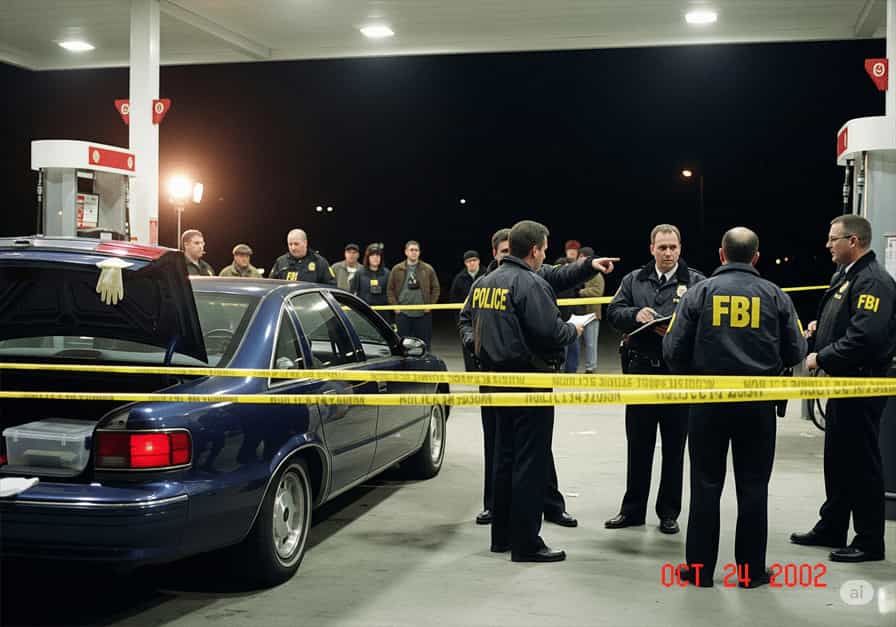
During three weeks of random shootings, early profiles suggested a white male loner with military training. But the real perpetrators were John Allen Muhammad and Lee Malvo—a middle-aged man and a teenage accomplice, both African-American.
This case highlighted profiling’s limitations: initial assumptions were logical but wrong. The killers were ultimately caught through traditional police work (a tip about their car). The lesson: profiling must guide investigations, not dictate them.
The Science Behind the Art
Criminal profiling is grounded in decades of research:
- FBI offender interviews (1970s): Conversations with serial killers like Ed Kemper and Dennis Rader (BTK) helped build a behavioral database.
- Investigative Psychology (Dr. David Canter): Introduced data-driven, statistical methods, making profiling more scientific and less anecdotal.
- Ongoing Research (APA & universities): Studies continue to refine profiling’s accuracy, ethics, and applications.
As profilers often say:
“The predator is a predator. You don’t have to be one to know one, but you do have to understand how they hunt.”
Practical Takeaways: Lessons from Profilers for Everyday Life
Even if you’ll never track criminals, profiling offers insights into human behavior:
- Look for Patterns: One bad day doesn’t define someone. Consistent actions reveal true character.
- See Context, Not Isolated Acts: Every behavior is part of a story. Understanding why it happened is key.
- Sharpen Observation Skills: Pay attention to body language, word choice, and discrepancies between words and actions. These cues matter in interviews, negotiations, or even relationships.
Criminal profiling is more than TV drama—it’s a powerful blend of psychology and investigation. By interpreting actions as behavioral language, profilers bring clarity to chaos, giving law enforcement an edge against violent offenders.
As science and technology advance—through tools like geographic profiling and AI analysis—this field will only grow sharper, continuing its mission: to protect society by understanding the darkest corners of the human mind.
Disclaimer
This article is for educational purposes only and should not be considered legal or clinical advice.
Related Articles

Sponsored


You May Also Like

Why Discipline Fails Even With Strong Motivation

Overwhelming Synonym: 25 Powerful Alternatives (With Meaning…

Extraversion – Social Energy, Confidence & the Need for …

The Smartphone “Brain Drain”: Why Having Your Ph…

Why Backrooms Feel Like a Dream You Can’t Escape