
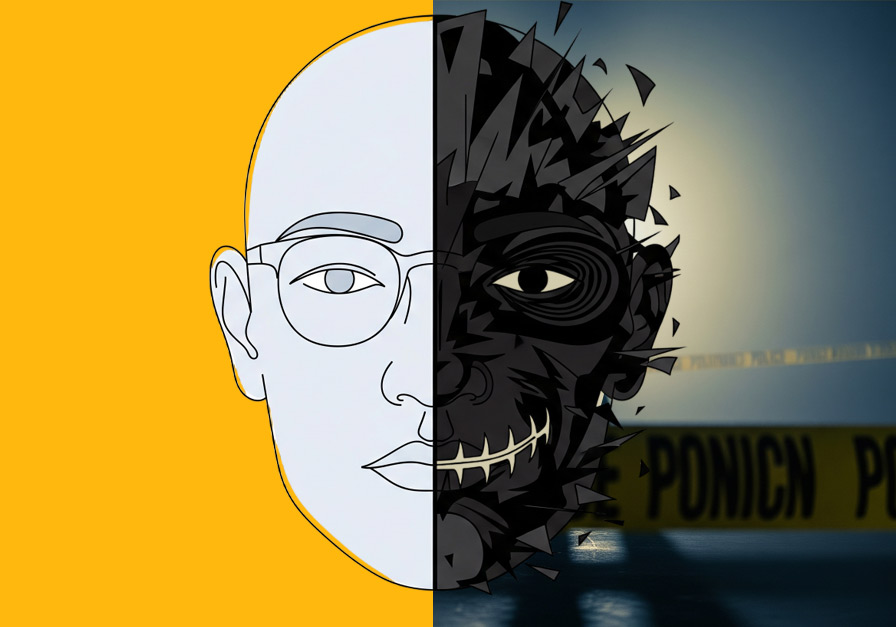
A serial killer stalks a city, leaving a trail of terror and unanswered questions. The police have few leads, so they call in a criminal profiler. If you’ve seen shows like Mindhunter or Criminal Minds, you know the drill: an expert walks a crime scene, closes their eyes, and somehow sketches a detailed portrait of the culprit—their age, habits, and even what they had for breakfast.
The reality of criminal profiling is less about psychic visions and more about the fascinating, complex world of human perception. It’s a psychological discipline where every single detail—from the victim’s profile to the weapon used—is a clue. And in high-stakes investigations, how these clues are perceived can be the difference between solving a case and letting it go cold.
So, What Is Criminal Profiling, Really?

Criminal profiling, also known as offender profiling or behavioral analysis, is a tool used by law enforcement to narrow down a list of potential suspects. The core idea is simple: the way a person commits a crime reveals a lot about their inner world—their psychology, needs, and personality.
John Douglas, a former FBI agent and pioneer in this field, described profiling as “putting yourself in the shoes of both the victim and the offender.” But unlike what we see on TV, real-world profiling is a structured process. It’s grounded in evidence and research, not gut feelings.
The Two Lenses of Perception
When a profiler looks at a case, they are using two distinct lenses of perception.
1. Perceiving the Offender
This is the most well-known part of the process. Profilers analyze behavioral evidence: Was the crime methodical or chaotic? Was the victim a specific target or chosen at random? These observations help build a psychological sketch of the offender. For instance, a highly organized crime scene might suggest a person who plans and seeks control, while a disorganized scene could point to impulsivity or mental distress.
2. The Profiler’s Own Perception
This is where things get tricky. Profilers are human, which means they bring their own training, experiences, and, most importantly, biases to the table. Confirmation bias—the tendency to favor evidence that supports an existing theory—can be a huge problem. This is why the FBI’s Behavioral Analysis Unit (BAU) emphasizes peer review and “evidence-first” practices. The goal is to keep personal perceptions from getting in the way of the facts.
When Perception Fails: The Risks of Misperception
A flawed profile can be a disaster. It can waste critical resources, send investigations down the wrong path, and even lead to wrongful accusations. A study published in Criminal Justice and Behavior found that while profiling can provide valuable investigative insights, its predictive accuracy is often inconsistent.
This balance between brilliant insight and dangerous bias is what makes perception so central to the debate about profiling’s reliability.
Case Studies in Perception
The DC Sniper Attacks (2002)

Early in the investigation, law enforcement and the media became fixated on a profile of a single white male in a white van with military training. This perception was so strong that it blinded investigators. The reality was two African American men, John Allen Muhammad and Lee Boyd Malvo, operating from a blue Chevrolet Caprice. This case is a powerful reminder of how an early, entrenched perception can completely derail an investigation.
The Mad Bomber of New York (1950s)
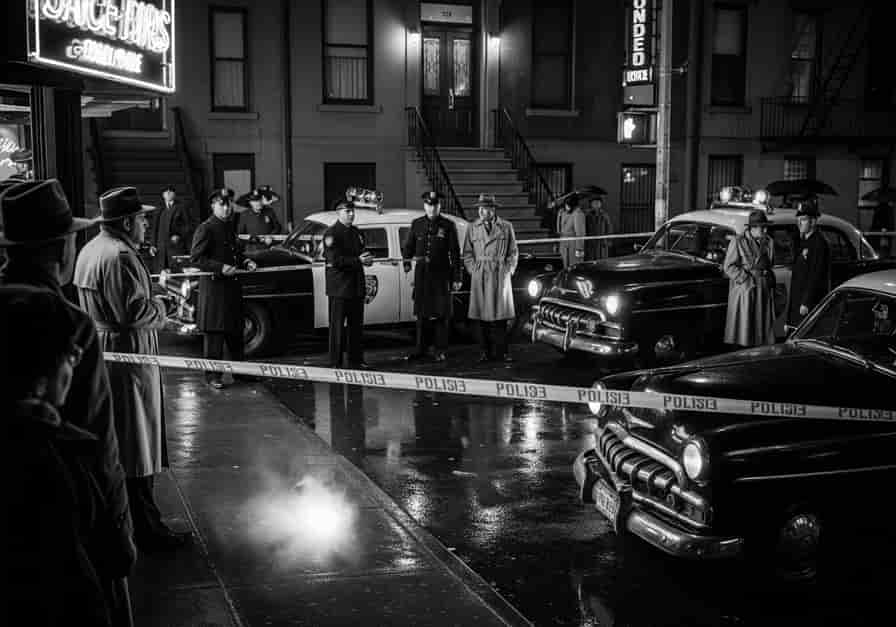
On the other end of the spectrum, there’s the legendary case of The Mad Bomber. Psychiatrist Dr. James Brussel studied the crime scenes and letters of George Metesky. Based on this evidence, he made a series of detailed predictions: the bomber would be a middle-aged, unmarried man living with his family, meticulous, and would even be wearing a specific type of suit when caught. When Metesky was arrested, he matched nearly every single detail—including the double-breasted suit. This success demonstrated the incredible power of a perceptive analysis but also helped create the myth of profilers as infallible “oracles.”
The Road to a Better Profile
The field of criminal profiling is always evolving. The FBI’s Behavioral Science Unit, founded in the 1970s, helped standardize profiling by interviewing convicted serial offenders to understand their motivations and behaviors. Meanwhile, experts like David Canter, a pioneer of investigative psychology, pushed for a more data-driven approach over simple intuition.
The American Psychological Association (APA) views profiling as a valuable investigative tool but cautions against using it as courtroom evidence due to the risk of bias. As Dr. Samuel B. Thielman once said, “We are all prisoners of our own perceptions, locked in the unique reality of our own construction.”
So, what can we take away from this?
- Profiles are guides, not verdicts. They should never be the sole basis for an arrest.
- Combat bias. Diverse perspectives and peer review are essential to reduce blind spots.
- Evidence always comes first. DNA, fingerprints, and digital records outweigh behavioral inferences.
- Stay flexible. A good profile evolves as new evidence emerges.
Criminal profiling is a powerful tool that sits at the intersection of psychology, criminology, and human perception. At its best, it channels deep psychological insight to uncover hidden patterns in behavior. At its worst, it simply mirrors the profiler’s own blind spots.
By understanding how perception shapes both the offender’s actions and the profiler’s interpretations, we can refine this process into a more balanced, evidence-based science. It’s not about predicting the future—it’s about asking sharper, more insightful questions in the pursuit of truth.
Authored by: Ms. Shikha Sharma — Psychology Postgraduate | Passionate about Criminal & Positive Psychology and Cyberpsychology | Connect on LinkedIn
Note: This article is for educational purposes only and does not constitute professional clinical advice.
Related Articles


Sponsored


You May Also Like

Why Falling Feels So Scary to the Brain
Social Media vs. Real Communities: Why Interaction Isn’t Alw…

Why Smart People Make Bad Career Decisions Under Pressure

Choking Under Pressure: Why Athletes Fail When It Matters Mo…

Why We Buy Things We Don’t Need: The Science of Consumer Psy…
