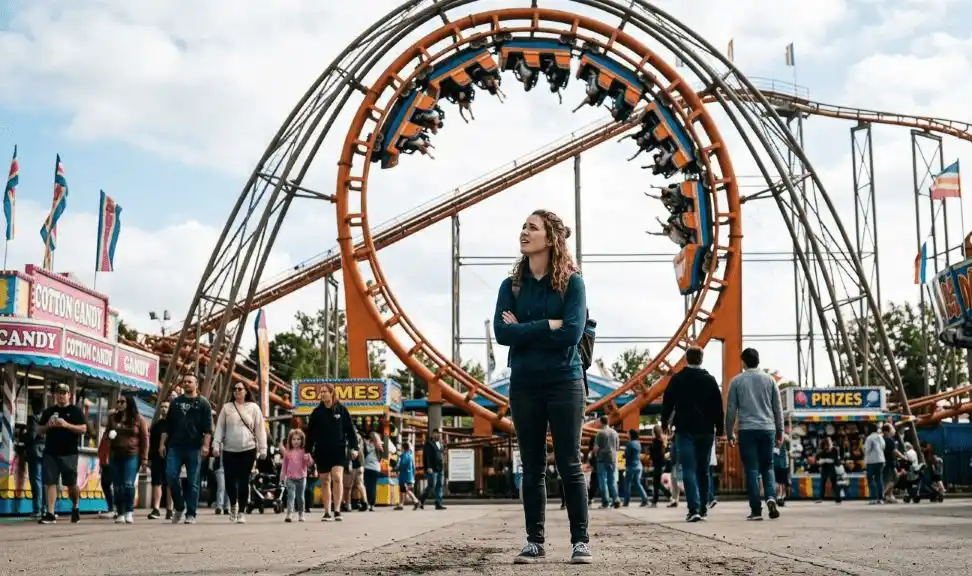
Why your brain treats unpredictability like a threat—and how to gently reclaim a sense of steadiness
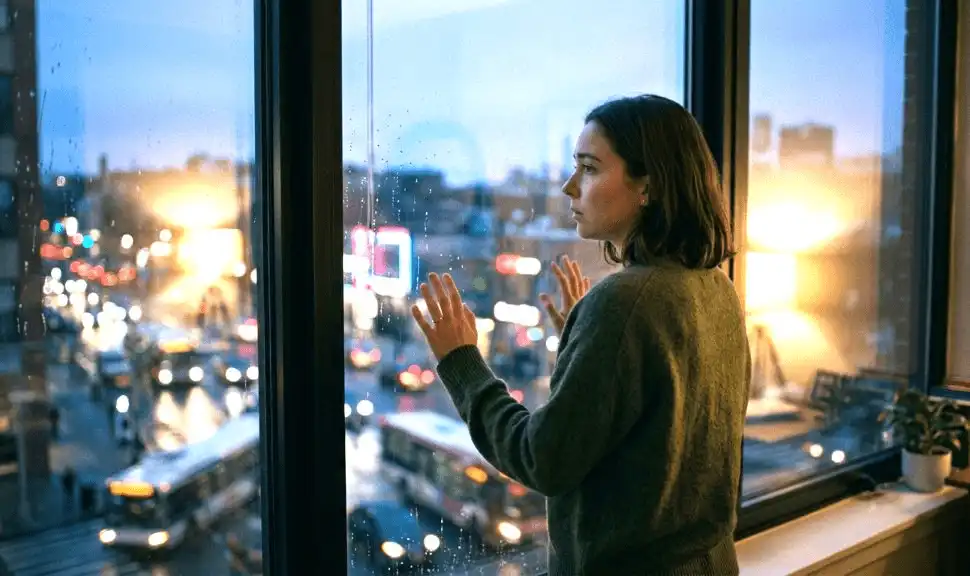
Person standing at window looking out at a blurred cityscape, representing the internal feeling of losing control and seeking steadiness.

The fear of losing control is one of the most quietly powerful emotions a person can experience. It’s not always visible from the outside. There’s no obvious danger, no immediate crisis. Yet the body can feel tense, the mind races, and a deep unease settles in. This fear is not a flaw or a sign … Read more
Why Sudden Sounds Trigger Panic

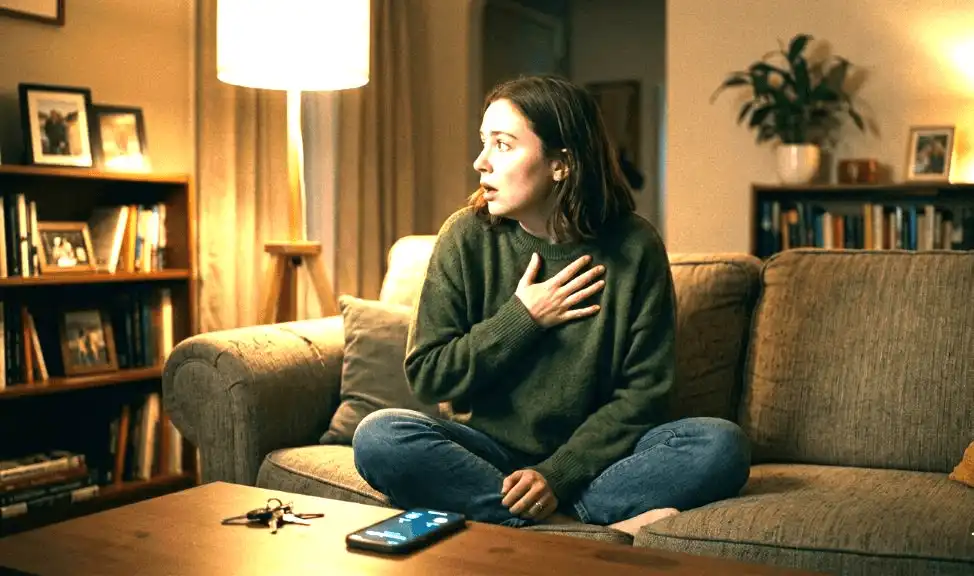
Person startled by a sudden noise in a quiet room, illustrating the brain's fast acoustic startle reflex and panic response.

The brain’s lightning-fast reaction to unexpected noise—and why it’s so hard to ignore A car backfires, a door slams in the wind, a fire alarm tests without warning—and before the conscious mind can even identify the sound, the body is already in full alarm. Heart racing, muscles tensed, a flash of heat or dizziness. This … Read more

Why the Brain Overestimates Danger

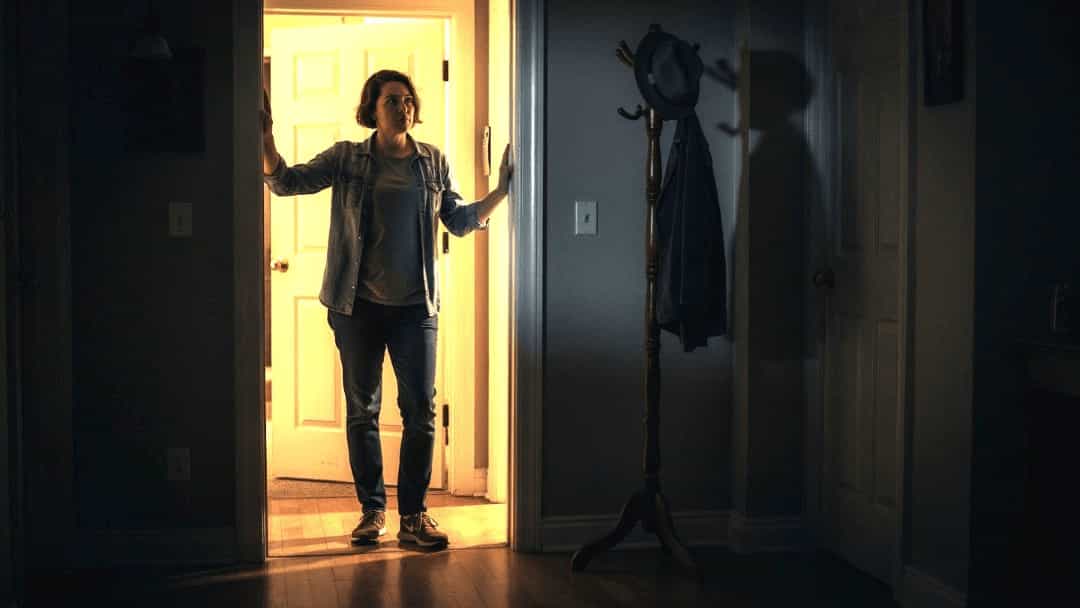
Person hesitating at a shadowy coat rack mistaken for a figure, illustrating the brain's tendency to overestimate danger in ambiguous situations.

The ancient wiring that makes us see threats where none exist—and why it’s actually a sign of a healthy mind Have you ever jumped at a garden hose mistaken for a snake, or felt your heart pound at a noise that turned out to be nothing? That split-second overreaction isn’t a flaw in your thinking. … Read more

Why Humans Fear Being Watched

Person in a café looking uncomfortable as someone glances from nearby, illustrating the psychological unease of being watched.

The psychology of observation, eye contact, and the unease of being the center of attention The feeling of being watched can arrive without warning. A prickle on the back of the neck in a quiet cafĂ©, a sudden awareness of eyes from across the train carriage, an almost physical weight when someone stares from behind. … Read more

Why We Feel Unsafe in Certain Places

Person hesitating at a dim alley entrance, illustrating the brain's instantaneous assessment of environmental safety signals.

The psychology behind the instant sense of comfort or caution in different environments Some spaces welcome you. Others make the hair on your arms stand up before you can explain why. A dark alley, an empty parking garage, a quiet waiting room with flickering lights—these places can provoke a quiet, persistent sense of danger even … Read more

Why Roller Coasters Cause Anxiety

Image Title: Why Roller Coasters Cause Anxiety Caption: The anxiety roller coasters provoke stems from the brain's response to height, speed, and sensory overload, even when the rational mind knows the ride is safe.

The brain’s response to speed, drops, and the thrill of losing control Roller coasters are engineered to provoke extreme reactions. For some, that reaction is exhilaration; for others, it’s pure, undiluted anxiety. The racing heart, the tight grip, the overwhelming urge to close your eyes—even while standing safely on the ground—aren’t signs of weakness. They’re … Read more

Why Boats Make Some People Nervous

Person sitting tensely in a small boat on open water, illustrating the nervousness some experience with boat travel.

The brain’s response to shifting surfaces, open water, and a gentle loss of control A boat ride—whether a ferry crossing, a fishing trip, or a cruise—can be a peaceful escape. But for many, stepping onto a vessel triggers a quiet, persistent unease. The deck shifts underfoot, the shore recedes, and the brain, so accustomed to … Read more

Fear of Losing Control Explained

Person sitting calmly overlooking a stormy sky, representing the internal experience of fearing loss of control and uncertainty.

Why uncertainty feels like danger—and how the brain works to protect us The desire to feel in control is one of the most fundamental drives of the human mind. When that sense of control slips—whether in a turbulent airplane, during a sudden illness, or simply when plans change without warning—the brain often responds with a … Read more

Why Some People Fear Escalators

Image Title: Why Some People Fear Escalators Caption: Escalator anxiety often peaks at the moment of stepping on or off, driven by the brain's need to coordinate movement, balance, and height perception all at once.

The psychology of moving stairs, balance, and the moment of committing to a step Escalators are everywhere—in malls, airports, subway stations—and for many, they’re an unremarkable convenience. But for some, an escalator triggers an immediate surge of unease. The moment of stepping on, the sensation of movement underfoot, the view down as the stairs rise … Read more