Why Friends Project on Each Other
Friendships feel safe. That’s exactly why projection happens so often in them.
Unlike work, where there are clear roles and boundaries, friendships are built on emotional closeness. You share your fears, your failures, your dreams. And because you care deeply, their opinions matter. That emotional investment makes friendship a perfect stage for projection.
Projection in friendships occurs when one friend unconsciously places their own hidden feelings — jealousy, insecurity, shame, fear — onto the other. Instead of saying “I feel envious of your new relationship,” they say “You’ve changed. You don’t care about our friendship anymore.”
The projecting friend isn’t lying. They genuinely feel hurt. But the source of that hurt isn’t you — it’s something they haven’t yet looked at in themselves.
Friendship projection is often mistaken for honest conflict. Two friends argue about one thing, but the real issue is invisible. Learning to spot projection can save friendships — or help you realize when one needs to end.
You May Also Like
Why Adults Struggle with Confidence in Relationships
Common Friendship Conflicts
Here are the most frequent ways projection shows up in close friendships.
The “You’ve Changed” Accusation
What’s said: “You’re not the same person anymore. You’ve become distant.”
Hidden feeling: “I’m afraid you’re outgrowing me. I feel insecure about where I am in life.”
Real situation: You got a new job, a partner, or a new hobby. You’re simply growing. But their fear of being left behind becomes an accusation.
The Jealousy Mask
What’s said: “You always have to be the center of attention.”
Hidden feeling: “I wish I had your confidence / your opportunities / your life.”
Real situation: You shared a happy moment. Instead of celebrating with you, they made you feel guilty for it.
The Guilt Flip
What’s said: “You’re so judgmental. You think you’re better than me.”
Hidden feeling: “I feel ashamed about my own choices.”
Real situation: You didn’t say anything judgmental. You just exist — and their own guilt needs a target.
The Resentment Spill
What’s said: “You never make time for me anymore.”
Hidden feeling: “I feel lonely and I’m not managing it well.”
Real situation: You’ve been busy for two weeks. That’s normal. But their unmet need for connection turns into blame.
The Criticism Swap
What’s said: “You’re so disorganized / flaky / irresponsible.”
Hidden feeling: “I feel out of control in my own life.”
Real situation: You forgot one thing. But their reaction is about their own chaos, not your mistake.
Passive Aggression & Projection
Projection doesn’t always sound like an accusation. Sometimes it sounds like silence, sarcasm, or a sudden cold shoulder.
Passive aggression is often projection wearing a mask.
Examples:
| Passive aggressive behavior | What projection hides |
|---|---|
| “Oh, it’s fine. I don’t care.” (clearly not fine) | “I care too much, and I’m ashamed of how needy I feel.” |
| Posting vague quotes on social media (“Some people only take”) | “I feel used, but I can’t say it directly to you.” |
| Forgetting to invite you on purpose | “I’m angry about something, but I won’t say what.” |
| Giving one-word answers for days | “I’m hurt, but I’d rather punish you than tell you why.” |
| “Wow, you must be nice to have so much free time.” | “I’m jealous and overworked.” |
Passive aggression is projection because the friend is unwilling to own their own feeling — anger, hurt, jealousy, neediness. So they act it out sideways, often while blaming you for their emotional state.
Emotional Manipulation Signs
Where is the line between projection and emotional manipulation? It’s blurry. But there are warning signs.
When projection becomes manipulative:
| Behavior | What it looks like |
|---|---|
| Guilt-tripping | “If you really cared about me, you wouldn’t see other friends.” (Projection of their own insecurity about being unlovable.) |
| Victim-playing | Every conflict ends with “You always hurt me. I’m the one who suffers.” (Projection of their own aggressive feelings onto you.) |
| Gaslighting-adjacent | “You’re being too sensitive. I never said that.” (When they did. They’re projecting their own insensitivity.) |
| Triangulation | “Even Sarah thinks you’re being selfish.” (Bringing a third person into the conflict to avoid owning their own feeling.) |
| Silent treatment | Refusing to speak until you apologize for something you didn’t do. (Projection of their own guilt or shame.) |
UPSIDES
- ✓ Friend honestly believes you’re angry when they’re the angry one.
- ✓ They’re confused, not malicious.
DOWNSIDES
- ✕ Friend uses accusations to control your behavior or avoid accountability.
- ✕ The ultimate effect on your well-being is negative.
Trust your gut. If a friendship consistently leaves you feeling confused, guilty, or small — projection may have crossed into emotional manipulation.
How to Address It Without Breaking Bonds
You care about the friendship. You don’t want to lose them. But you also can’t keep absorbing their projections. Here’s how to address it gently.
Before you speak: Check your own projection
Ask: Am I also projecting onto them right now? If you go in angry or blaming, they’ll get defensive. Go in curious.
The Gentle Reflection Script
THE REFLECTION SCRIPT
- “Hey, I value our friendship. Lately I’ve noticed when we talk, you often say I’m [angry / jealous / distant / judgmental].”
- “I’ve checked in with myself, and that’s not how I feel. I’m wondering if maybe you’re feeling something difficult — and it’s coming out as an assumption about me.”
- “I’m not blaming you. I just want us to be honest with each other. What’s actually going on with you?”
What to do if they react badly:
If they get defensive: “I hear that. Maybe I’m wrong. Can we just agree to check in more gently next time?”
If they deny everything: “Okay. I trust you. But if this pattern keeps happening, can we talk about it again?”
If they blame you more: That’s a red flag. You may need stronger boundaries (next section).
What to do if they pause and reflect:
That’s the best outcome. They might say: “I don’t know. Maybe I am stressed about other things.” Now you have a real conversation — not a fight about who feels what.
When to Distance Yourself

Not every friendship can be saved. Sometimes the healthiest choice is to create space — or walk away.
Signs it’s time to distance:
| Sign | What it means |
|---|---|
| You’ve tried talking calmly — multiple times — and nothing changes | They’re not ready or willing to look at themselves. |
| You feel drained after every interaction | The friendship costs more than it gives. |
| They refuse to apologize or acknowledge your experience | Projection has become a permanent shield. |
| They accuse you of things that make no sense — and you start believing them | Your mental health is suffering. |
| Other friends have also distanced from this person | The pattern is likely about them, not you. |
HOW TO DISTANCE WITHOUT DRAMA
- **Option 1: Slow fade** – Reply less often. Be busy more. Don’t initiate plans.
- **Option 2: Honest conversation** – State that the friendship feels heavy and you need space.
- **Option 3: Clear boundary** – Refuse to defend yourself against feelings you don’t hold.
- **Option 4: Full ending** – If toxic, end it directly and wish them well.
You might feel guilty. That’s normal. But ask yourself: Was I truly the problem? Or was I just the closest target for their unresolved feelings?
Final Thoughts
Friendships should feel like shelter, not a battlefield. When projection enters the picture, it can feel like you’re constantly defending yourself against accusations that don’t fit.
But here’s the good news: once you learn to spot projection in friendships, you stop taking it personally. You see the jealous comment for what it is — their insecurity, not your fault. You see the silent treatment as their inability to say “I’m hurt.” You stop carrying what isn’t yours.
Some friendships will survive this awareness. You’ll have honest conversations and grow closer. Others won’t — and that’s okay too.
Because the friendships that last are the ones where both people can say: “That feeling is mine. Let me sit with it before I hand it to you.”
Related Articles



Sponsored


You May Also Like
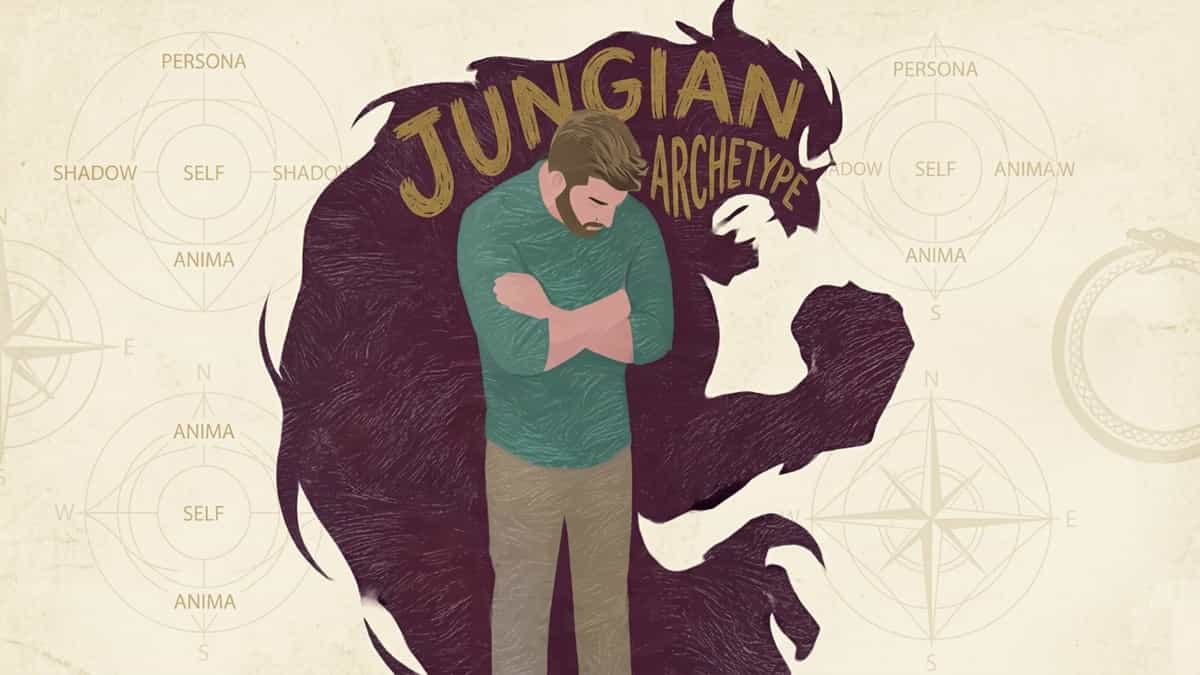
All 12 Jungian Archetypes: Which One Are You & Why It Ma…

Is Adulthood Really a Stable Phase? A Developmental Psycholo…

Signs You’re Stuck in a Procrastination Loop (And How to Bre…

Employee Motivation: Why Salary Alone Doesn’t Keep People En…

Why Backrooms Feel Like a Dream You Can’t Escape